

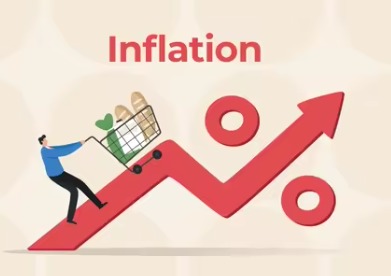
Rising inflation affects not only the cost of living but can also have indirect consequences on your credit score and financial health. Understanding this impact is crucial to maintaining purchasing power and staying financially secure.
How Inflation Impacts Your Credit Score
Higher Debt Burden:
Inflation increases interest rates and EMIs on variable loans, making timely repayment harder. Missed payments can lower your credit score.
Reduced Disposable Income:
Rising prices reduce the money available for debt repayment, increasing chances of late payments or defaults.
Increased Credit Utilization:
As expenses rise, you may rely more on credit cards, boosting your credit utilization ratio, which negatively impacts your score.
Loan Affordability:
Inflation can make new loans more expensive, influencing your ability to maintain a healthy debt-to-income ratio.
Strategies to Protect Your Purchasing Power and Credit Score
Budget Wisely: Track income and expenses to ensure timely debt repayment.
Maintain Low Credit Utilization: Keep credit usage below 30% of your limit, even during inflationary pressure.
Prioritize High-Interest Debt: Pay off high-interest loans or credit card balances first to reduce financial strain.
Build Emergency Funds: Keep 3–6 months of expenses saved to manage unexpected price hikes.
Consider Fixed-Rate Loans: Opt for fixed interest rates to avoid EMI increases during inflation.
Regularly Monitor Credit Score: Use tools to track changes and act promptly on any negative impact.
FAQs
Q1: Can inflation directly lower my credit score?
A1: Inflation doesn’t directly impact your score, but indirect effects like late payments, higher EMIs, and increased credit utilization can lower it.
Q2: How can I manage rising credit card debt during inflation?
A2: Pay full balances whenever possible, reduce discretionary spending, and avoid maxing out your cards.
Q3: Should I delay loan applications during inflation?
A3: Consider fixed-rate loans and evaluate your debt-to-income ratio before applying.
Q4: How much should my emergency fund cover?
A4: Ideally, 3–6 months of living expenses to handle inflation-driven cost increases.
Q5: Can inflation affect my mortgage or personal loans?
A5: Yes, variable interest rate loans may see higher EMIs, impacting repayment and credit score.
Published on : 17th October
Published by : SMITA
www.vizzve.com || www.vizzveservices.com
Follow us on social media: Facebook || Linkedin || Instagram
🛡 Powered by Vizzve Financial
RBI-Registered Loan Partner | 10 Lakh+ Customers | ₹600 Cr+ Disbursed
https://play.google.com/store/apps/details?id=com.vizzve_micro_seva&pcampaignid=web_share