

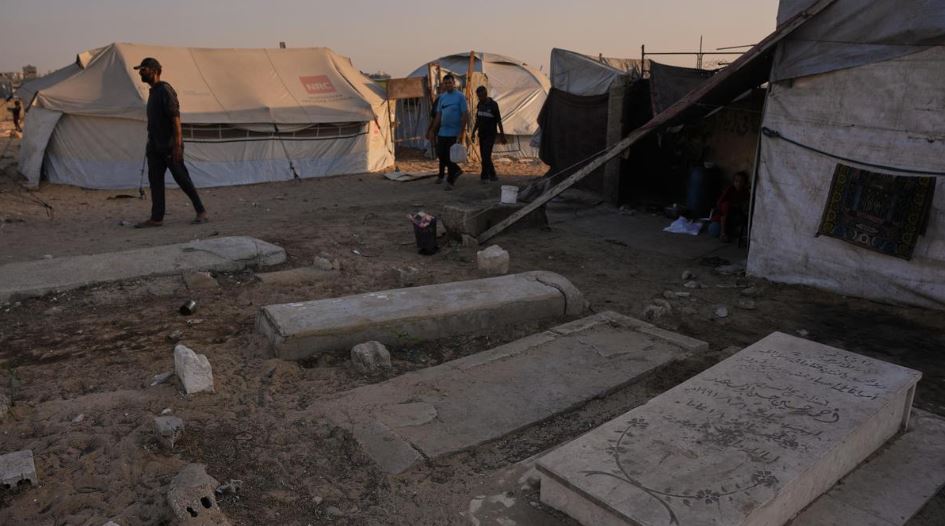
In Gaza Cemeteries, Displaced Palestinians Live Among the Dead
The ongoing conflict in Gaza has forced thousands of Palestinians to take refuge in cemeteries — an unimaginable reality that speaks volumes about the scale of displacement and destruction in the region. With entire neighborhoods reduced to rubble, many have no homes left to return to. Now, among tombstones and graves, families are struggling to rebuild a sense of normalcy amid the chaos.
Graves Become Homes
In makeshift shelters built from plastic sheets, wooden planks, and remnants of bombed buildings, displaced families have turned cemeteries into temporary camps. Children play between graves, mothers cook over open fires, and elders mourn both the living and the dead. For many, these cemeteries are the only safe spaces left — though even here, fear and grief never fade.
Living Conditions: Survival Amid Desperation
With limited access to clean water, food, and medical aid, life for those in cemetery camps is a daily battle for survival. Sanitation is poor, disease risk is high, and psychological trauma runs deep. Many families live under constant threat of airstrikes, lacking any form of basic security or privacy.
Voices from the Ground
Displaced residents have described their lives as being “surrounded by death and memories.” Yet, they continue to hold on to faith and resilience. Humanitarian agencies have warned of a deepening crisis and urged international intervention to provide immediate relief and ensure the protection of civilians.
Global Response and Humanitarian Appeal
The United Nations and global NGOs have intensified calls for ceasefire and humanitarian corridors. However, aid convoys often face delays and blockades, leaving the most vulnerable without essential supplies. As the conflict continues, the plight of those living in Gaza’s cemeteries stands as a haunting reminder of the human cost of war.
FAQs
Q1: Why are Palestinians living in cemeteries in Gaza?
Many Palestinians have been displaced due to bombings and destruction of residential areas, leaving cemeteries as one of the few remaining open spaces for temporary shelter.
Q2: What are the living conditions like in Gaza’s cemeteries?
Conditions are dire — with limited access to food, clean water, and healthcare. Families live in makeshift tents among graves, facing health and safety risks daily.
Q3: What is being done to help displaced families in Gaza?
Humanitarian organizations and the UN are providing aid where possible, though access remains limited due to ongoing conflict and blockades.
Q4: How can the international community support Gaza?
Donations to verified relief organizations, spreading awareness, and advocating for peace and ceasefire are essential steps to support the affected population.
Q5: How does this issue relate to financial aid and global economics?
Crises like Gaza’s displacement strain global humanitarian budgets and highlight the importance of efficient financial management and international aid coordination.
Published on : 3rd November
Published by : RAHAMATH
www.vizzve.com || www.vizzveservices.com
Follow us on social media: Facebook || Linkedin || Instagram
🛡 Powered by Vizzve Financial
RBI-Registered Loan Partner | 10 Lakh+ Customers | ₹600 Cr+ Disbursed