

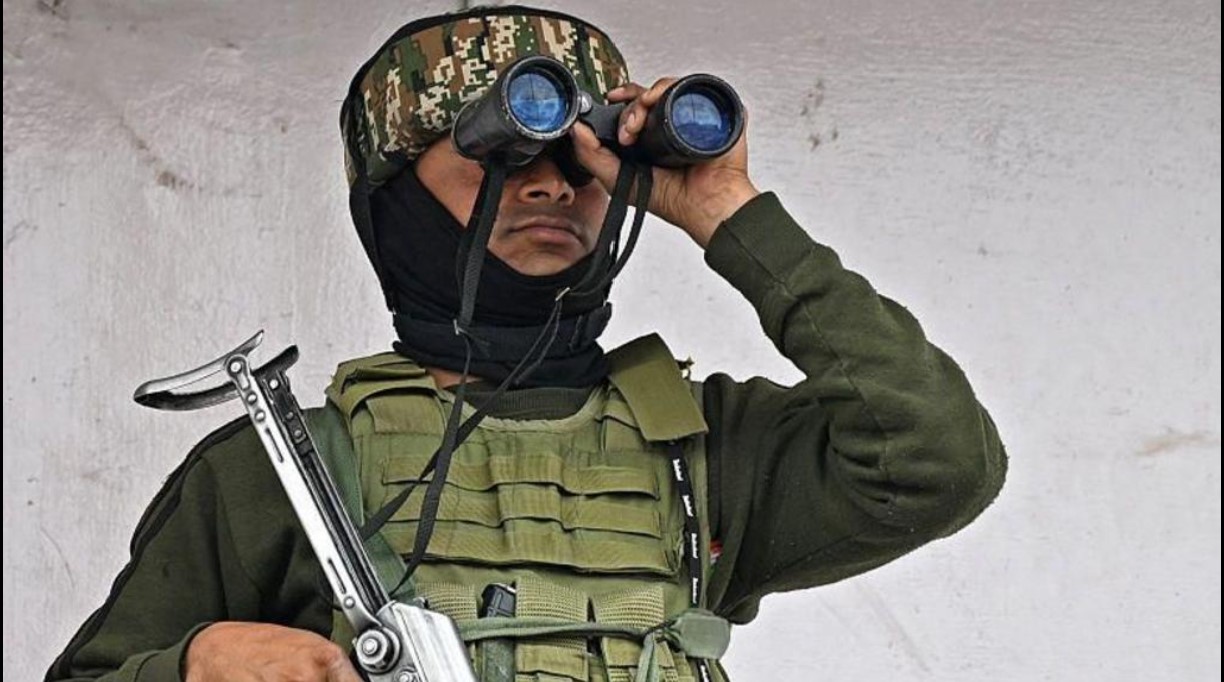
India and Pakistan Consider Next Moves After Deadly Military Exchanges
Tensions between India and Pakistan have once again reached a boiling point following a series of deadly military exchanges along the Line of Control (LoC). The skirmishes, which erupted earlier this week, have left several soldiers dead on both sides and raised fears of a broader conflict between the nuclear-armed neighbors.
What Sparked the Latest India-Pakistan Military Clash?
According to official statements from both New Delhi and Islamabad, the latest exchange was triggered by alleged ceasefire violations. India accused Pakistani forces of targeting civilian areas in Jammu and Kashmir, prompting a retaliatory strike. Pakistan, on the other hand, claimed it was responding to unprovoked aggression.
The crossfire has intensified diplomatic hostilities and revived concerns over the fragile 2021 ceasefire agreement, which had temporarily eased border tensions after years of sporadic violence.
Political and Diplomatic Reactions
Indian Defense Minister Rajnath Singh condemned the attacks, affirming India’s right to respond decisively to any provocation. “India will not tolerate aggression,” he stated. Meanwhile, Pakistan's Foreign Minister urged the international community to intervene, accusing India of destabilizing regional peace.
The United Nations and several Western nations have expressed concern, calling for immediate de-escalation and a return to diplomatic dialogue.
Military and Strategic Implications
Experts warn that sustained clashes could derail regional stability and hamper ongoing peace efforts. Military analysts suggest that both nations are now evaluating strategic responses—ranging from further diplomatic isolation to calibrated military actions aimed at deterrence without triggering all-out war.
Impact on Regional Security and Civilian Lives
Beyond military considerations, the renewed hostilities are having a profound impact on civilians living near the border. Schools have been closed, and families displaced amid fears of escalation. The economic costs of prolonged tensions are also being felt, particularly in border regions where trade and agriculture suffer during such stand-offs.
India and Pakistan: What Comes Next?
Both countries now face critical choices. Analysts believe behind-the-scenes talks may already be underway to avoid full-scale escalation. However, domestic political pressures and international optics will heavily influence their next moves.
Observers will be watching closely in the coming days to see whether this flare-up marks a temporary setback—or a dangerous turning point in India-Pakistan relations.
FAQs: India-Pakistan Military Tensions
1. What is the Line of Control (LoC)?
The LoC is a de facto military border between India and Pakistan in the region of Jammu and Kashmir. It has been a flashpoint for numerous conflicts and skirmishes since the two countries gained independence.
2. What triggered the recent India-Pakistan military exchange?
The latest clash was reportedly triggered by ceasefire violations, with both sides accusing each other of initiating the conflict.
3. Are India and Pakistan at war?
No, India and Pakistan are not officially at war. However, intermittent skirmishes and military exchanges along the LoC keep tensions high.
4. Is there a ceasefire agreement between India and Pakistan?
Yes, both countries agreed to a ceasefire in 2021, but the agreement has been strained by repeated violations and rising tensions.
5. What are the possible outcomes of the current standoff?
Possible outcomes range from diplomatic negotiations to continued low-intensity conflict. Escalation into full-scale war remains a concern, though both sides may prefer strategic restraint.
Published on : May 8, 2025
Posted by : PAVAN