

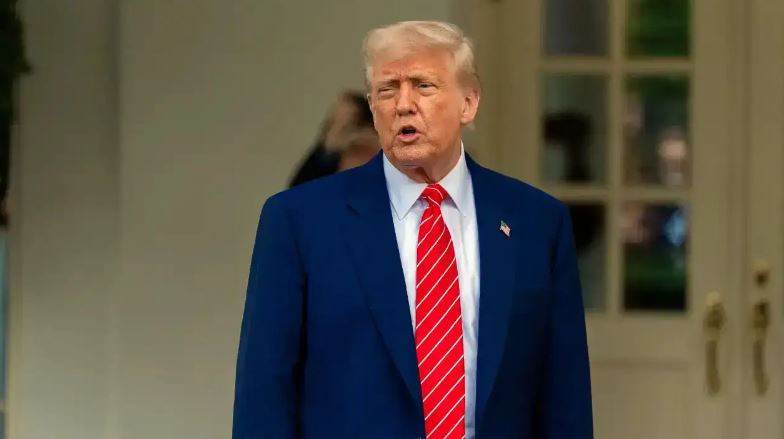
In a surprising diplomatic development, former U.S. President Donald Trump has publicly claimed that India and Pakistan have reached an agreement for a "full and immediate ceasefire." The announcement, though yet to be officially confirmed by either South Asian government, has reignited global hopes for peace in one of the world’s most volatile regions.
Key Points:
-
Donald Trump states India and Pakistan have agreed to an immediate ceasefire.
-
No official statements yet from New Delhi or Islamabad confirming the agreement.
-
The announcement follows recent border tensions and ongoing backchannel diplomacy.
-
Experts urge caution, stressing the need for verified implementation and sustained dialogue.
Background: Longstanding Tensions at the Line of Control
India and Pakistan have a history of military skirmishes and ceasefire violations, particularly along the Line of Control (LoC) in Jammu and Kashmir. Although both countries agreed to a ceasefire in 2003, intermittent clashes and mutual accusations of provocation have continued for years.
Trump’s claim suggests renewed diplomatic engagement—possibly through backchannel talks facilitated by third-party nations or international bodies.
Donald Trump's Statement and Possible Diplomatic Channels
Speaking at a press event, Trump said, “I’ve been working with both sides, and they’ve agreed to a full and immediate ceasefire. We’re seeing positive developments on the subcontinent.”
While he did not elaborate on the specific mechanisms behind the agreement, it is believed that U.S. diplomatic efforts, possibly in cooperation with UAE or Saudi Arabia, could have helped ease tensions.
Reactions and Skepticism
Though the international community, including the United Nations and EU, has cautiously welcomed the possibility of peace, analysts urge skepticism until both countries officially confirm and implement the agreement.
Security experts note that prior ceasefire declarations have often failed without strong verification measures and diplomatic follow-up.
Frequently Asked Questions (FAQ)
Q1: Has India or Pakistan confirmed the ceasefire agreement?
A1: As of now, neither India nor Pakistan has officially confirmed the ceasefire claim made by Donald Trump.
Q2: When was the last formal ceasefire agreement between the two nations?
A2: The last official ceasefire was agreed upon in 2003, though violations have occurred frequently since then.
Q3: What is the role of Donald Trump in this development?
A3: Trump claims to have facilitated the ceasefire through diplomatic efforts, though specifics remain unclear.
Q4: Why is this potential ceasefire significant?
A4: A ceasefire could help reduce violence, lower military tensions, and open the door for peaceful bilateral talks, especially regarding Kashmir.
Q5: What comes next if the ceasefire is confirmed?
A5: If confirmed, confidence-building measures, high-level diplomatic engagement, and border monitoring could follow to ensure long-term peace.
Conclusion
If true, Donald Trump’s announcement of a full ceasefire between India and Pakistan could be a major turning point for South Asian diplomacy. While hope remains high, the world now awaits official confirmation and sustained commitment from both nations to ensure that this declaration marks the beginning of lasting peace, not just another temporary pause.
Published on : May-10-25 By : Abhishek Rana