

A recent global study has highlighted a worrying trend: India may face the heaviest long-term health and economic burden from Chikungunya virus infections in the coming years.
Chikungunya, a mosquito-borne viral disease, has been spreading steadily across tropical and subtropical regions. While acute infections are often short-lived, the long-term complications can impact patients’ quality of life and place a strain on public health systems.
What Is Chikungunya?
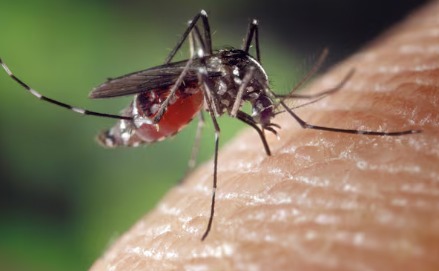
Chikungunya is transmitted primarily by Aedes aegypti and Aedes albopictus mosquitoes, which also spread dengue and Zika viruses.
Key symptoms include:
High fever
Severe joint pain
Headache and fatigue
Rash in some cases
While most patients recover within 7–10 days, studies show that chronic joint pain and arthritis-like symptoms can persist for months or even years.
Why India Is at Risk
According to the study, India is particularly vulnerable due to:
High Population Density: Large urban centers facilitate faster mosquito-borne transmission.
Climate Conditions: Warm temperatures and monsoon rains create ideal breeding conditions for mosquitoes.
Urbanization and Water Stagnation: Rapid construction and water storage practices increase mosquito habitats.
Limited Public Awareness: Many cases go unreported or misdiagnosed, leading to underestimation of the disease burden.
The study warns that India could bear the heaviest burden in terms of both cases and long-term disability compared to other countries in Asia and Africa.
Long-Term Health and Economic Impact
Chronic Chikungunya can cause:
Persistent joint pain and reduced mobility
Reduced work productivity
Increased healthcare costs for long-term care
Economists warn that loss of working days and long-term disability may result in significant economic strain, especially in rural and semi-urban areas.
Preventive Measures and Public Awareness
While no specific antiviral treatment exists, the government and individuals can take steps to limit the spread and impact of Chikungunya:
Mosquito Control: Eliminate stagnant water, use mosquito nets and repellents.
Community Awareness Campaigns: Educate citizens about early symptoms and reporting.
Early Diagnosis and Supportive Care: Seek prompt medical attention for fever and joint pain.
Government Health Programs: Focus on vector control, monitoring, and research into vaccines.
Conclusion
Chikungunya may not always make headlines like COVID-19 or dengue, but its long-term consequences are alarming. With India potentially facing the heaviest burden globally, proactive measures from government, healthcare providers, and citizens are crucial to mitigate the health and economic impact.
FAQs
1. Can Chikungunya be fatal?
While rare, severe cases can be life-threatening, especially for the elderly or those with pre-existing conditions.
2. How long do joint pains last after infection?
Chronic joint pain can persist for months or even years, affecting daily activities.
3. Is there a vaccine for Chikungunya?
Currently, there’s no widely available vaccine, though research is ongoing.
4. How can India reduce the disease burden?
Through vector control, public awareness, early diagnosis, and supportive healthcare.
5. Can Chikungunya and dengue co-occur?
Yes. Both are spread by the same mosquito species, making co-infections possible.
Published on : 8th October
Published by : SMITA
www.vizzve.com || www.vizzveservices.com
Follow us on social media: Facebook || Linkedin || Instagram
🛡 Powered by Vizzve Financial
RBI-Registered Loan Partner | 10 Lakh+ Customers | ₹600 Cr+ Disbursed
https://play.google.com/store/apps/details?id=com.vizzve_micro_seva&pcampaignid=web_share