

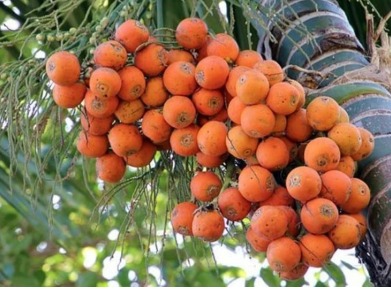
The Indian government has recently restricted the import of roasted areca nuts (supari) to safeguard domestic farmers and ensure fair trade practices. This move, coming ahead of the key harvest season, highlights India’s commitment to balancing trade liberalization with local agricultural protection.
Background: What Prompted the Restriction?
India is one of the largest producers and consumers of areca nuts, primarily cultivated in Karnataka, Kerala, Assam, and the Northeastern states. Over the past few years, a surge in imported roasted areca nuts, particularly from Southeast Asian countries, has impacted local farmers.
Imported nuts were often cheaper and under-declared in value.
Traders raised concerns over falling domestic prices.
The government acted to stabilize farmer incomes and prevent market distortion.
Key Highlights of the New Trade Policy
Restricted Import Classification:
The Directorate General of Foreign Trade (DGFT) has moved roasted areca nuts from the “free” to the “restricted” category under import rules.
Government Approval Required:
Importers must now obtain special licenses or approvals from the Ministry of Commerce before bringing roasted areca nuts into India.
Focus on Domestic Value Chain:
The decision aims to support local processing industries and reduce dependency on foreign imports.
Farmer Protection and Economic Impact
The restriction is expected to benefit over 10 lakh areca nut farmers across southern and northeastern India.
Positive Impact:
Local farmers will likely see price recovery in domestic markets.
Reduced import pressure may improve profit margins for small-scale growers.
Potential Challenges:
Export traders dependent on mixed nut imports might face supply disruptions.
Short-term price volatility may occur as the market adjusts to the new policy.
Market and Industry Reactions
Farmer Associations:
Welcomed the move, calling it a “timely intervention” to protect rural livelihoods.
Importers:
Some traders argue that the restriction could limit consumer choice and increase prices for processed supari.
Economists:
Say the move reflects India’s selective trade protectionism, focusing on domestic value preservation over open imports.
Global Trade Implications
The restriction may affect bilateral trade flows with countries like Indonesia and Myanmar, which export large volumes of processed areca nuts.
India’s decision could prompt regional trade adjustments, particularly in the ASEAN agricultural export sector.
FAQs
Q1: Why has India restricted roasted areca nut imports?
A1: To protect domestic farmers, prevent market dumping, and support local processing industries.
Q2: What is the difference between raw and roasted areca nuts?
A2: Roasted areca nuts are semi-processed and often imported for chewing or further processing, whereas raw nuts are locally grown and processed.
Q3: How will this affect areca nut prices?
A3: Prices are expected to stabilize or rise moderately, benefiting Indian farmers.
Q4: Can traders still import areca nuts?
A4: Yes, but only after obtaining government approval under the “restricted” import category.
Q5: Will this move affect consumers?
A5: Some processed nut products might see a slight price increase, but overall supply will remain stable.
Published on : 18th October
Published by : SMITA
www.vizzve.com || www.vizzveservices.com
Follow us on social media: Facebook || Linkedin || Instagram
🛡 Powered by Vizzve Financial
RBI-Registered Loan Partner | 10 Lakh+ Customers | ₹600 Cr+ Disbursed
https://play.google.com/store/apps/details?id=com.vizzve_micro_seva&pcampaignid=web_share