

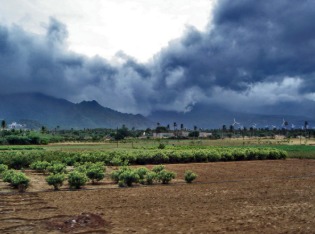
India’s Monsoon 2025 Wraps Up with Above-Average Rainfall
The India Meteorological Department (IMD) has reported that the 2025 monsoon season ended with an 8% surplus compared to the long-term average. This marks a successful monsoon after concerns of delayed rains in some regions earlier this year.
Above-average rainfall has positively impacted agriculture, water reservoirs, and hydroelectric power generation, while also affecting regional weather patterns.
Regional Rainfall Highlights
Northern India: Adequate rainfall boosted wheat and rabi crop preparation.
Eastern and Northeastern India: Rice-growing regions received surplus rainfall, supporting food grain production.
Western India: Some parts of Gujarat and Maharashtra saw localized flooding but overall crop conditions improved.
Southern India: Karnataka and Kerala benefited from late-season showers, filling reservoirs.
Impact on Agriculture and Economy
Bumper Crop Prospects
Above-average rainfall improves soil moisture, supporting sowing of rabi crops like wheat, barley, and pulses.
Rice, sugarcane, and maize production is expected to be healthy this season.
Water Reservoirs and Hydropower
Reservoirs across the country, including those in Maharashtra, Karnataka, and Andhra Pradesh, are at near-full capacity.
Hydroelectric projects will benefit from higher water availability.
Boost to Rural Economy
Farmers may see higher incomes due to better yields, positively impacting rural consumption and local markets.
Monsoon Surplus and Inflation
Adequate rainfall can help stabilize food prices, reducing inflationary pressures on staples like vegetables and grains.
Expert Analysis
Meteorologists note that the 8% surplus is a positive indicator for India’s agricultural sector, though localized floods and waterlogging in some states require caution. Climate experts advise efficient water management to maximize benefits and prevent post-monsoon crop damage.
FAQs:
Q1. When did the 2025 monsoon season start and end?
The season typically runs from June to September, ending officially this year in late September.
Q2. Which regions received the most rainfall surplus?
Eastern, Northeastern, and parts of Southern India recorded the highest surplus.
Q3. How does surplus rainfall impact crops?
It ensures adequate soil moisture, better crop growth, and higher yields, especially for staples like rice, wheat, and sugarcane.
Q4. Are there any risks associated with surplus rainfall?
Localized flooding, waterlogging, and potential infrastructure damage in low-lying areas are risks.
Q5. How does this monsoon affect water reservoirs?
Reservoirs have filled to near capacity, benefiting irrigation, drinking water supply, and hydroelectric power generation.
Published on : 30th September
Published by : SMITA
www.vizzve.com || www.vizzveservices.com
Follow us on social media: Facebook || Linkedin || Instagram
🛡 Powered by Vizzve Financial
RBI-Registered Loan Partner | 10 Lakh+ Customers | ₹600 Cr+ Disbursed
https://play.google.com/store/apps/details?id=com.vizzve_micro_seva&pcampaignid=web_share