

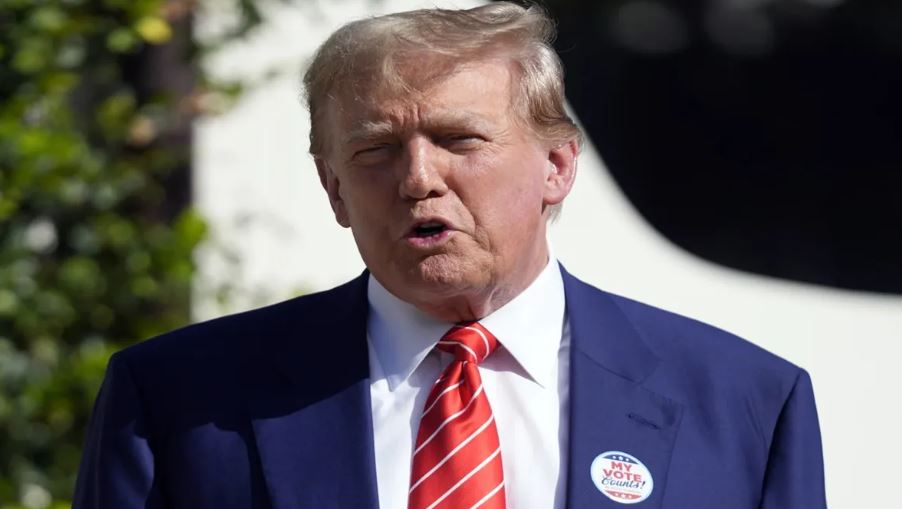
Former U.S. President Donald Trump has once again claimed that India is prepared to cut tariffs by 100% on U.S. goods, suggesting that a substantial trade agreement between the two nations could be finalized in the near future.
In a recent statement, Trump emphasized the strategic importance of strengthening U.S.-India trade relations. He asserted that India, under Prime Minister Narendra Modi’s leadership, is eager to reduce import duties and enhance bilateral trade.
U.S.-India Trade Tensions
The U.S. and India have had ongoing trade disputes, particularly over tariffs and market access. India has historically maintained high import tariffs on a range of American products including automobiles, agricultural goods, and medical devices. Trump previously criticized these trade barriers during his presidency.
However, the recent remarks indicate a possible shift in India’s policy approach.
“India is willing to reduce tariffs by 100% on U.S. goods. This is a major step towards a fair and balanced trade relationship,” Trump stated.
What Could This Trade Deal Include?
Though the full scope of the deal hasn’t been disclosed, experts anticipate the agreement could cover:
-
Tariff reduction on U.S. agricultural and industrial goods
-
Eased restrictions on e-commerce and digital services
-
Increased market access for American companies
-
Mutual investment agreements
Such a deal could significantly benefit U.S. exporters and deepen economic ties between the world’s two largest democracies.
🇮🇳🇺🇸 Strategic Importance of the Deal
The potential trade agreement comes at a time when global powers are recalibrating their international trade alliances. For the U.S., stronger ties with India are seen as a counterbalance to China’s economic influence in Asia. For India, increased U.S. trade and investment could support its "Make in India" initiative and economic growth goals.
Frequently Asked Questions (FAQ)
Q1. Is India really cutting tariffs by 100% on all U.S. goods?
A: While Trump has claimed a full tariff cut, official confirmation from the Indian government is still awaited. The reduction may apply selectively to key sectors like agriculture and technology.
Q2. What is the status of the U.S.-India trade deal?
A: The trade deal is not finalized yet but is reportedly in advanced stages of negotiation, with both countries showing strong interest in reaching an agreement soon.
Q3. How will this trade deal benefit the U.S. economy?
A: It would open up the Indian market for U.S. exporters, reduce costs for American businesses, and foster job creation in export-driven sectors.
Q4. What does this mean for India?
A: India would benefit from greater access to U.S. technology, investments, and potentially favorable treatment in global trade forums.
Q5. When can we expect the deal to be signed?
A: While no official date has been announced, experts suggest a formal agreement could be reached within the next few months if negotiations continue smoothly.
Final Thoughts
If Trump’s claims materialize, the U.S.-India trade deal could be a landmark shift in global trade dynamics. With tariffs possibly being slashed and bilateral relations strengthening, both economies stand to gain significantly.
Updated: