

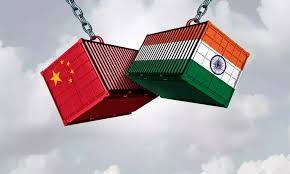
🇮🇳 India Reassesses US Market Access Strategy as Tariff Gap with China Narrows
With geopolitical trade equations shifting, India is recalibrating its trade engagement with the US, especially as the tariff differential with China narrows. For years, India has enjoyed relatively favorable access to the US market compared to China due to steep tariffs imposed on Chinese goods. But now, as tariff parity closes, Indian policymakers are being forced to rethink strategies to maintain export competitiveness.
📉 The Shrinking Tariff Differential: What’s Changing?
Following trade tensions between the US and China in the late 2010s, tariffs on Chinese goods spiked, providing India and other countries an opportunity to plug supply gaps. However, recent policy adjustments in Washington suggest a modest easing or reorientation of tariffs — reducing the previous advantage Indian exporters held.
This narrowing tariff gap is especially critical in:
Textiles and apparel
Electronics and consumer goods
Auto components
Pharmaceutical intermediates
India’s edge is at risk unless structural improvements and bilateral trade agreements can bridge the gap in competitiveness.
🧭 How India Is Responding
India's Ministry of Commerce and policy think tanks are now prioritizing the following:
FTA Negotiations: Fast-tracking trade pacts with the US or other key blocs like IPEF (Indo-Pacific Economic Framework).
PLI Schemes (Production-Linked Incentives): Boosting domestic manufacturing to reduce input costs and improve price competitiveness.
Supply Chain Realignment: Positioning India as a China+1 alternative in global sourcing.
Infrastructure and Customs Reforms: Improving ease of exports through digitization and port modernization.
“India must now compete on efficiency, not just on favorable tariffs,” notes a senior trade economist.
🇺🇸 US-India Trade: Current Landscape
| Metric | Value (FY24 est.) |
|---|---|
| Bilateral Trade Volume | $120+ billion |
| India’s Exports to US | ~$78 billion |
| Major Export Sectors | IT, Textiles, Pharma, Auto, Gems |
| Trade Surplus with US | ~$35 billion |
While India still enjoys a trade surplus with the US, the margin is being tested as Vietnam, Mexico, and Bangladesh gain ground in key sectors.
🌐 What's at Stake?
If India doesn’t realign quickly, the shrinking tariff advantage could:
Reduce market share for Indian exporters
Diminish investor confidence in India as a US-aligned export hub
Strengthen the position of regional competitors
Undermine India’s role in US supply chain diversification goals
❓ FAQs – India, US Trade and Tariff Trends
Q1. Why is the narrowing tariff differential with China important for India?
It reduces India’s relative advantage in pricing, making it harder to compete in sectors like textiles, electronics, and pharma.
Q2. Is India planning a Free Trade Agreement with the US?
Formal FTA talks are slow, but India is actively engaging through regional blocs like the Indo-Pacific Economic Framework (IPEF).
Q3. Which sectors in India are most impacted?
Textiles, auto components, electronics, and even specialty chemicals could see reduced competitiveness.
Q4. Can India remain a viable China+1 option?
Yes, but it requires sustained policy reform, export incentives, and infrastructure investment.
Q5. How can exporters respond to these changes?
By adopting quality enhancements, tech upgrades, and market diversification into Europe, Middle East, and Africa.
🧾 Conclusion: India’s Strategic Reset for the US Market
As the US-China tariff walls begin to shift, India is preparing for a new phase of trade diplomacy. The reliance on favorable tariffs is no longer enough — cost competitiveness, value addition, and reliability will define India’s success in the American market.
The next few quarters will be crucial as India navigates geopolitical shifts and realigns its trade playbook for long-term growth.
www.vizzve.com || www.vizzveservices.com
Follow us on social media: Facebook || Linkedin || Instagram
Reported by Benny on June 15, 2025.