

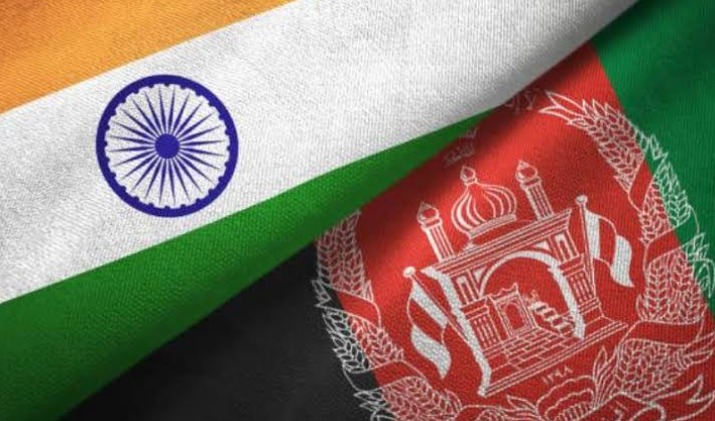
In a significant geopolitical and economic development, India has announced a $100 million boost to strengthen trade ties with Afghanistan—an investment that signals a new phase in bilateral cooperation. Reported by Aditya Raj Kaul, the move is being widely viewed as a strategic setback for Pakistan, which has long positioned itself as a crucial trade route and political gatekeeper for Afghanistan.
This development marks New Delhi’s renewed commitment to engage actively with Kabul despite regional complexities, shifting power balances, and Pakistan’s attempts to restrict or regulate transit routes.
Why This Move Matters
India’s fresh $100 million commitment isn’t just about trade—it’s a strategic message, an economic lifeline, and a diplomatic recalibration rolled into one.
The investment aims to:
Strengthen commercial ties
Improve supply chains disrupted in recent years
Support Afghanistan’s economic stability
Reduce Kabul’s dependence on Pakistan’s transit routes
Reassert India’s influence in the region
By expanding access through alternative connectivity options, India is gradually building a trade architecture that bypasses Pakistan.
How It Impacts Pakistan
Pakistan has historically served as Afghanistan’s major land trade corridor. But over the years, frequent border closures, political tensions, tariff barriers, and transit restrictions have frustrated Afghan traders.
India’s renewed trade commitment means:
Pakistan’s leverage weakens as Afghanistan diversifies trade partners and supply routes.
Regional influence shifts towards India in areas of commerce, development, and diplomacy.
Afghanistan reduces dependency on Pakistan’s ports and border crossings.
Pakistan faces economic loss as transit volumes may decline over time.
This move also signals that New Delhi is willing to deepen engagement even without direct land access through Pakistan.
India’s Economic Vision for Afghanistan
The $100 million boost aligns with India’s long-standing vision of a stable, economically independent Afghanistan.
India has previously invested in:
Infrastructure projects
Energy connectivity
Capacity-building programs
Humanitarian assistance
Healthcare and education support
Trade expansion adds another layer to this partnership, ensuring Afghanistan isn’t isolated in regional commerce.
The Role of Alternative Trade Routes
Since Pakistan has often restricted India-Afghanistan transit, New Delhi has worked on alternative pathways such as:
Chabahar Port (Iran)
Air Freight Corridors between Indian and Afghan cities
Direct exports of essential goods
These alternatives reduce Afghan reliance on Pakistani ports like Karachi and Gwadar, shifting trade flows toward Indian-backed corridors.
What Afghanistan Gains from the $100 Million Boost
For Afghanistan—still battling economic pressure and internal challenges—the investment is timely. It supports:
Access to essential goods
Market stability
Infrastructure enhancement
New opportunities for Afghan exporters
Reduced vulnerability to regional political tensions
The funding could also help revive Afghan agricultural and handicraft exports into Indian markets.
Regional Power Dynamics at Play
This trade development is more than economics—it is a reflection of changing regional geopolitics:
India strengthens its soft power and influence in Afghanistan.
Pakistan’s strategic monopoly over Afghan transit loosens.
Afghanistan signals openness toward diversified partnerships.
Iran’s Chabahar Port gains significance, adding pressure on Pakistan’s CPEC-linked port network.
The move underscores how trade can reshape political equations in South Asia.
FAQs
1. Why is India investing $100 million in Afghanistan?
To strengthen trade ties, ensure economic stability, and expand regional connectivity independent of Pakistan.
2. How is this a setback for Pakistan?
Because Afghanistan gains alternative trade routes and financial support, reducing its dependence on Pakistan’s transit infrastructure.
3. Will this affect Pakistan-Afghanistan trade?
Over time, yes. Afghan traders may shift toward India-backed routes, reducing Pakistan’s economic and strategic influence.
4. Which routes will India use for Afghanistan trade?
Primarily the Chabahar Port in Iran, air corridors, and long-term logistical partnerships.
5. Does this strengthen India’s regional influence?
Yes. The investment directly enhances India’s presence in Afghanistan’s economy and diplomacy.
Published on : 28th November
Published by : SMITA
www.vizzve.com || www.vizzveservices.com
Follow us on social media: Facebook || Linkedin || Instagram
🛡 Powered by Vizzve Financial
RBI-Registered Loan Partner | 10 Lakh+ Customers | ₹600 Cr+ Disbursed
Source Credit: Content based on reporting by Aditya Raj Kaul