

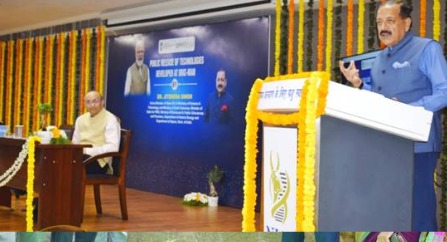
India has achieved a significant milestone in medical research and pharmaceutical innovation with the development of its first indigenous antibiotic, which has been found effective against respiratory infections. According to the Health Minister, this breakthrough marks a step toward self-reliance in critical healthcare solutions and reducing dependence on imported medicines.
The indigenous antibiotic is expected to have a wide-reaching impact on public health, particularly in treating bacterial infections of the lungs and respiratory tract.
Key Highlights of the Indigenous Antibiotic
Effectiveness: Demonstrated efficacy against common and severe respiratory infections, including pneumonia and bronchitis.
Homegrown Innovation: Developed entirely in India, reflecting advances in research, pharmaceuticals, and biotechnology.
Production & Availability: Plans underway for mass production to ensure wide accessibility across hospitals and clinics.
Healthcare Impact: Could reduce reliance on imported antibiotics and strengthen India’s medical supply chain.
Government’s Perspective
Self-Reliance in Healthcare: Minister highlighted that the initiative aligns with Atmanirbhar Bharat goals in healthcare and pharmaceuticals.
Research Promotion: Encourages further research and development in indigenous medicines and treatments.
Public Health Benefits: Improved treatment options for respiratory infections can reduce morbidity and mortality rates.
Cost-Effectiveness: Locally produced antibiotics are expected to be affordable and widely available, benefiting both rural and urban populations.
Scientific & Medical Implications
Clinical Trials: Successfully completed trials demonstrate safety and efficacy in patients with bacterial respiratory infections.
Antibiotic Resistance: Potential to address challenges of antibiotic resistance by providing new treatment options.
Pharmaceutical Innovation: Sets a precedent for India’s pharmaceutical industry to develop advanced, homegrown drugs.
Global Relevance: Opens possibilities for exporting indigenous antibiotics to other countries in need.
FAQs
Q1: What is India’s first indigenous antibiotic?
It is a homegrown antibiotic developed in India, effective against bacterial respiratory infections such as pneumonia and bronchitis.
Q2: Is it safe for patients?
Yes. The antibiotic has passed clinical trials demonstrating safety and efficacy in humans.
Q3: Will it be widely available?
The government and pharmaceutical companies are working on mass production and distribution to make it accessible nationwide.
Q4: How does this benefit India’s healthcare system?
It reduces dependence on imported antibiotics, provides affordable treatment options, and strengthens self-reliance in medical solutions.
Q5: Can it help in combating antibiotic resistance?
Yes. Introducing new antibiotics can provide alternative treatment options, reducing the pressure on existing drugs and helping combat resistance.
Conclusion
The development of India’s first indigenous antibiotic marks a major achievement in the country’s healthcare and pharmaceutical sector. With its proven effectiveness against respiratory infections, it promises to enhance public health, ensure affordability, and boost India’s medical self-reliance.
This breakthrough also signals a new era of homegrown innovation in pharmaceuticals, paving the way for more indigenous drugs to address India’s healthcare needs.
Published on : 20th October
Published by : SMITA
www.vizzve.com || www.vizzveservices.com
Follow us on social media: Facebook || Linkedin || Instagram
🛡 Powered by Vizzve Financial
RBI-Registered Loan Partner | 10 Lakh+ Customers | ₹600 Cr+ Disbursed
https://play.google.com/store/apps/details?id=com.vizzve_micro_seva&pcampaignid=web_share