

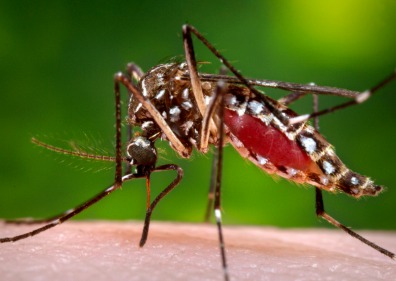
A recent study highlights that 51 lakh Indians are at risk of Chikungunya, a mosquito-borne viral disease. Health authorities are raising alerts as the disease can spread rapidly during the post-monsoon season, especially in areas with stagnant water and poor mosquito control.
Understanding the symptoms, prevention, and treatment is crucial to minimize risk and protect yourself and your community.
1. What is Chikungunya?
Virus Origin: Chikungunya is caused by the Chikungunya virus, transmitted by Aedes mosquitoes.
Symptoms:
High fever
Severe joint pain
Headache and muscle pain
Rash and fatigue
Symptoms typically appear 4–7 days after a mosquito bite.
2. Areas Most at Risk
Urban and semi-urban regions with stagnant water or poor drainage.
States reporting higher prevalence include Kerala, Maharashtra, Karnataka, Tamil Nadu, and Andhra Pradesh.
Post-monsoon months see a spike due to mosquito breeding in leftover water pools.
3. Prevention Tips for Citizens
Eliminate Stagnant Water: Remove or cover water storage containers.
Use Mosquito Repellents: Apply creams, coils, or sprays to prevent bites.
Install Mosquito Nets: Especially during peak biting hours (dawn and dusk).
Wear Protective Clothing: Full-sleeved shirts and pants reduce skin exposure.
Community Awareness: Participate in local drives for mosquito control and sanitation.
4. Treatment and Care
No specific antiviral treatment exists; management focuses on relieving symptoms.
Pain and fever relief: Paracetamol and hydration.
Avoid NSAIDs like ibuprofen initially if dengue is not ruled out.
Seek medical attention if high fever, severe pain, or unusual symptoms occur.
5. Government Initiatives
Public health advisories issued in high-risk states.
Mosquito control measures like fogging and larvicide spraying.
Community engagement programs for hygiene and sanitation awareness.
FAQs
Q1: How is Chikungunya transmitted?
Through Aedes mosquito bites, which are also carriers of dengue and Zika virus.
Q2: Can Chikungunya be fatal?
It is rarely fatal but can cause severe joint pain and long-term discomfort.
Q3: How long does recovery take?
Most patients recover within 1–2 weeks, though joint pain can persist for months.
Q4: Is there a vaccine for Chikungunya?
Currently, no widely available vaccine exists, so prevention is key.
Q5: Can I get infected more than once?
Yes, but re-infections are relatively rare. Proper preventive measures remain crucial.
Published on : 4th October
Published by : SMITA
www.vizzve.com || www.vizzveservices.com
Follow us on social media: Facebook || Linkedin || Instagram
🛡 Powered by Vizzve Financial
RBI-Registered Loan Partner | 10 Lakh+ Customers | ₹600 Cr+ Disbursed
https://play.google.com/store/apps/details?id=com.vizzve_micro_seva&pcampaignid=web_share