

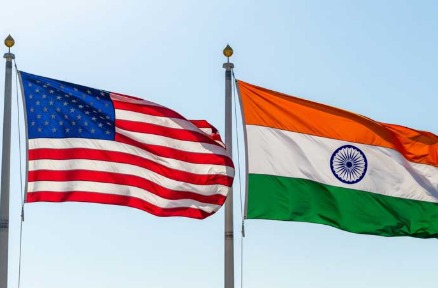
Recently, former U.S. President Donald Trump made statements regarding India’s continued imports of Russian oil, raising questions about international energy policies and global diplomacy. India, a key player in the global energy market, has responded cautiously, emphasizing sovereignty, energy security, and strategic diplomacy.
The Context of Trump’s Claim
Trump highlighted that several countries, including India, were importing Russian oil despite sanctions and global pressure. His claim suggested potential geopolitical ramifications and raised eyebrows in international policy circles.
India, however, has consistently maintained that its energy decisions are guided by national interests, affordability, and long-term energy security. With India being one of the largest energy consumers globally, balancing international pressures with domestic needs is a critical priority.
India’s Diplomatic Response
India’s official response focused on three key pillars:
Sovereignty in Decision-Making: India stressed that energy policies are formulated based on national interests and domestic requirements rather than external pressures.
Energy Security & Affordability: Access to reliable and cost-effective energy sources is vital for India’s growing economy and its millions of citizens.
Commitment to Global Norms: India reiterated its commitment to responsible global engagement, while maintaining strategic flexibility in sourcing energy.
This careful diplomatic response aims to maintain global credibility, avoid unnecessary confrontations, and ensure India’s energy needs are met sustainably.
Geopolitical Implications
India’s stance reflects the complexity of global energy politics:
Balancing Relations: India is navigating ties with both the U.S. and Russia, ensuring cooperation in defense, trade, and technology while securing energy needs.
Economic Considerations: Russian oil imports provide a cost-effective solution, helping India manage inflation and support industrial growth.
Strategic Autonomy: India’s approach demonstrates a policy of strategic autonomy, making decisions based on long-term national benefits rather than short-term diplomatic pressures.
FAQs
Q1: What was Trump’s claim about India and Russian oil?
A1: Trump claimed that India continued to import Russian oil despite sanctions, implying geopolitical tensions.
Q2: How did India respond?
A2: India emphasized sovereignty, energy security, and strategic diplomacy, maintaining its right to make decisions based on national interests.
Q3: Why does India import Russian oil?
A3: Russian oil offers affordability, reliability, and energy security, which are crucial for India’s growing economy.
Q4: Does this affect India-U.S. relations?
A4: While statements like these create diplomatic discussions, India continues to maintain strong bilateral ties with the U.S., balancing energy needs with global relations.
Q5: Is India violating any international sanctions?
A5: India carefully ensures that its imports are within international legal frameworks while safeguarding national interests.
Published on : 17th October
Published by : SMITA
www.vizzve.com || www.vizzveservices.com
Follow us on social media: Facebook || Linkedin || Instagram
🛡 Powered by Vizzve Financial
RBI-Registered Loan Partner | 10 Lakh+ Customers | ₹600 Cr+ Disbursed
https://play.google.com/store/apps/details?id=com.vizzve_micro_seva&pcampaignid=web_share