

India’s Labour Force Participation Rate (LFPR) has shown a notable rise in September 2025, reaching a five-month high. This indicates a growing share of the population entering the workforce, reflecting improving economic activity and job creation.
LFPR measures the percentage of working-age individuals either employed or actively seeking employment, serving as a key indicator of labour market health.
Key Highlights
Rise in Participation: The LFPR increased to X% in September, the highest since April 2025.
Sectoral Gains: Growth observed in services, construction, and informal sectors.
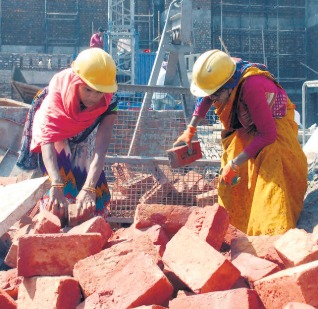
Gender Dynamics: Women’s participation is gradually improving, though still below male participation rates.
Urban vs Rural: Urban areas show higher participation, but rural engagement remains significant.
Implications of the Rise
Economic Recovery: More people entering the workforce signals a strengthening economy.
Job Creation: Higher LFPR suggests new employment opportunities are emerging across sectors.
Policy Effectiveness: Reflects positive outcomes of government initiatives aimed at skill development and employment.
Consumer Spending: Increased employment boosts disposable income, supporting consumption-led growth.
Investment Outlook: A larger labour pool may attract both domestic and foreign investment.
Challenges to Address
Underemployment: Despite higher participation, many workers remain in low-paying or part-time jobs.
Gender Gap: Women’s labour participation is still significantly lower than men’s, indicating scope for inclusion.
Skill Mismatch: Many entrants lack industry-relevant skills, affecting productivity.
Informal Employment: A large portion of workforce remains unorganized and without social security benefits.
FAQ
Q1: What is Labour Force Participation Rate (LFPR)?
A1: LFPR is the percentage of the working-age population that is employed or actively seeking work.
Q2: Why is LFPR important?
A2: It indicates economic health, workforce engagement, and potential for growth in employment.
Q3: Has LFPR improved for women?
A3: Yes, women’s participation is gradually increasing, though still lower than men.
Q4: Which sectors contributed to the rise?
A4: Services, construction, and informal sectors saw significant gains.
Q5: How does LFPR affect the economy?
A5: Higher LFPR increases productivity, boosts consumption, and attracts investment, supporting overall economic growth.
Conclusion
The rise in India’s Labour Force Participation Rate in September 2025 is a positive signal for the economy, indicating more people joining the workforce and contributing to growth.
While challenges like gender disparity and skill mismatch remain, this trend reflects a gradually strengthening job market and improving employment opportunities across sectors.
Published on : 15th October
Published by : SMITA
www.vizzve.com || www.vizzveservices.com
Follow us on social media: Facebook || Linkedin || Instagram
🛡 Powered by Vizzve Financial
RBI-Registered Loan Partner | 10 Lakh+ Customers | ₹600 Cr+ Disbursed
https://play.google.com/store/apps/details?id=com.vizzve_micro_seva&pcampaignid=web_share