

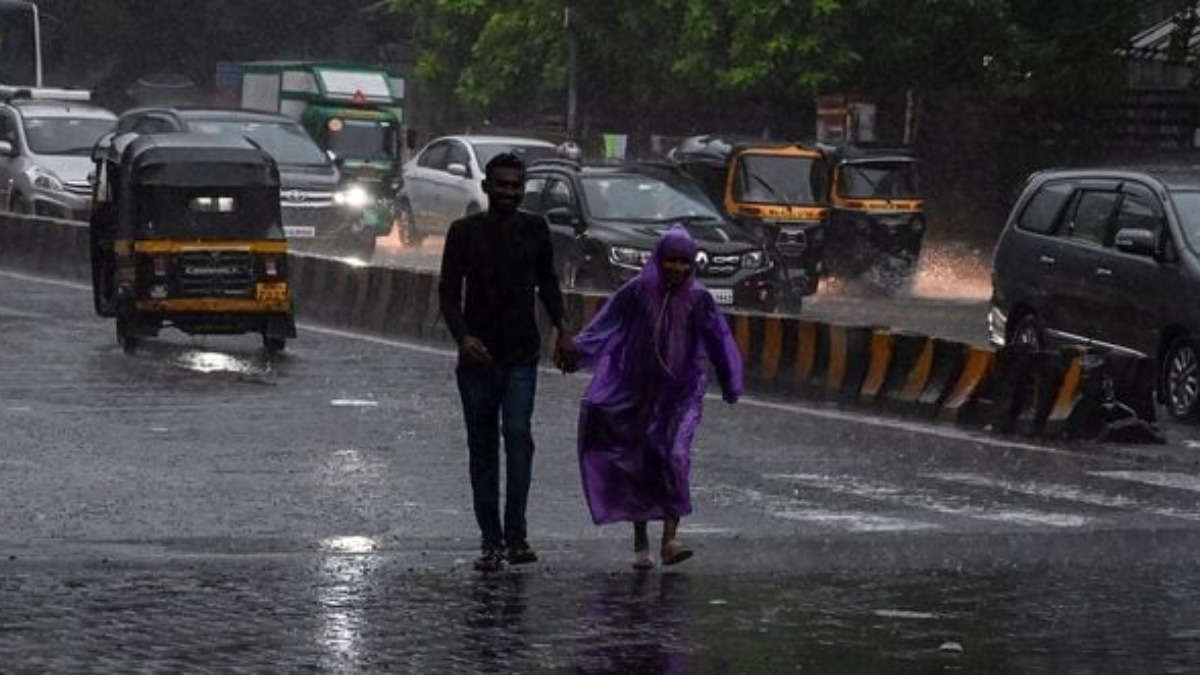
India has always relied on the monsoon — for crops, culture, and commerce. But in 2025, the question on everyone’s mind is: Can we still depend on it?
According to climatologists and meteorological data, the once-predictable cycle of rainfall is no longer guaranteed. Erratic rainfall, sudden dry spells, and unseasonal cloudbursts are the new normal.
📉 What’s Changing in the Indian Monsoon?
🔄 Shift in Timings:
Early or delayed onset of monsoon in multiple regions.
Shorter wet spells, followed by extended dry gaps.
🌧️ Uneven Distribution:
Some areas see excessive rainfall in short bursts, while others remain dry for weeks.
🔥 Monsoon + Heatwaves:
A dangerous combo: monsoon failures followed by record heatwaves.
El Niño and warming oceans are contributing to unpredictability.
🚜 Why It Matters: Impact Across India
🥦 Agriculture:
Over 60% of India’s farmland depends on monsoon rains.
Crop planning has become a gamble — affecting rice, wheat, pulses, and sugarcane output.
🏙️ Urban Life:
Sudden cloudbursts flood cities, disrupting traffic, power, and infrastructure.
On the other hand, cities like Bangalore and Chennai are also facing water shortages.
💰 Economy:
Inconsistent rainfall impacts rural income, food prices, and inflation.
Farmers take on more debt as crop cycles fail repeatedly.
🧠 What Experts Say
“Monsoon patterns are no longer reliable indicators for farming or water management. We need adaptive systems, not assumptions.”
– Dr. R.K. Malhotra, IMD Senior Scientist
“Climate resilience must become part of India’s agricultural policy. Waiting for the rain is no longer a strategy.”
– Prof. Swati Rane, Indian Institute of Climate Science
🌱 What Can Be Done?
✅ Short-Term Measures:
Promote drought-resistant crops.
Use real-time weather data for better decision-making.
Insurance coverage for monsoon-related crop loss.
🧠 Long-Term Solutions:
Rainwater harvesting and watershed management.
Diversify crops and reduce over-reliance on water-intensive farming.
Invest in climate-smart agriculture and AI-based rainfall prediction models.
💬 FAQs
Q1: Is monsoon becoming shorter in India?
Yes, the rainy season is increasingly showing compressed cycles — with intense rain followed by long dry spells.
Q2: How does an unreliable monsoon affect common people?
It impacts crop prices, food security, urban flooding, and water supply, especially in rural India.
Q3: Is climate change responsible for India’s monsoon shift?
Partly, yes. Rising global temperatures, El Niño events, and urban heat islands are major contributors.
Q4: What can individuals do?
Adopt water-saving habits, support local weather reporting, and pressure local governments to invest in green infrastructure.
Published on : 30th July
Published by : SMITA
www.vizzve.com || www.vizzveservices.com
Follow us on social media: Facebook || Linkedin || Instagram
🛡 Powered by Vizzve Financial
RBI-Registered Loan Partner | 10 Lakh+ Customers | ₹600 Cr+ Disbursed