

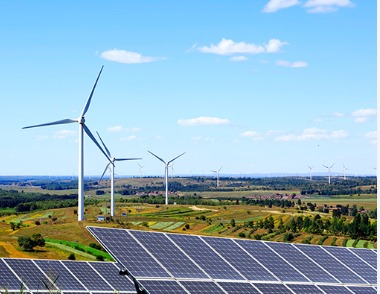
India has set ambitious goals to achieve net-zero carbon emissions by 2070, marking a critical step in the fight against climate change. The government and businesses are exploring multiple strategies, including renewable energy adoption, energy efficiency, and carbon trading mechanisms. Among these, carbon credits have emerged as a potential tool to offset emissions and incentivize green initiatives.
But the question remains: Can carbon credits alone help India meet its net-zero targets, or are they just part of a larger solution?
Understanding Carbon Credits
What They Are: Carbon credits allow entities to offset their greenhouse gas emissions by investing in environmental projects, such as afforestation, renewable energy, or clean technology initiatives.
How They Work: One carbon credit typically equals one tonne of CO₂ reduced or removed. Companies or governments can buy credits to compensate for unavoidable emissions.
Global Standards: India participates in international carbon markets like the Clean Development Mechanism (CDM) and voluntary carbon markets.
India’s Net Zero Roadmap
Renewable Energy Expansion
India aims for 500 GW of renewable energy capacity by 2030, including solar, wind, and hydro projects.
Electrification & Energy Efficiency
Initiatives include electric vehicles, smart grids, and industrial efficiency upgrades.
Carbon Market Development
India is establishing domestic carbon credit trading platforms to incentivize companies to reduce emissions.
Afforestation & Carbon Sequestration
Large-scale tree plantations and soil carbon initiatives help offset residual emissions.
Policy & Regulation
Government policies encourage private sector investment in clean energy and carbon trading, aligning with international commitments under the Paris Agreement.
Pros of Using Carbon Credits
Encourages investment in renewable energy projects.
Provides flexibility for industries that cannot immediately reduce emissions.
Supports sustainable development in rural areas through forestry and green projects.
Aligns with global climate commitments, attracting international funding.
Challenges & Criticisms
Risk of Greenwashing: Companies may rely solely on buying credits instead of actively reducing emissions.
Verification Issues: Ensuring authenticity and effectiveness of carbon offset projects is complex.
Market Volatility: Carbon credit prices can fluctuate, affecting economic predictability.
Partial Solution: Credits cannot replace structural emission reductions in energy, industry, and transport.
Expert Opinion
Climate experts emphasize that carbon credits should complement, not replace, emission reduction strategies.
India’s net-zero goal requires a holistic approach involving:
Clean energy adoption,
Industrial decarbonization,
Transport electrification, and
Policy-driven incentives alongside carbon credits.
FAQ: India’s Net Zero & Carbon Credits
Q1. What is India’s net-zero target year?
A: India aims to achieve net-zero carbon emissions by 2070.
Q2. How do carbon credits help achieve net zero?
A: They offset emissions by funding projects that reduce or remove greenhouse gases.
Q3. Can carbon credits replace emission reductions?
A: No. Experts recommend using carbon credits alongside real emission reduction efforts.
Q4. Are carbon credits regulated in India?
A: Yes, India has frameworks under the Clean Development Mechanism (CDM) and is developing domestic carbon trading platforms.
Q5. What sectors benefit most from carbon credits?
A: Energy, manufacturing, transport, and forestry sectors can leverage carbon credits for sustainability and compliance.
Conclusion
India’s path to net zero is multifaceted, requiring systemic emission reductions, renewable energy growth, and technological innovation.
Carbon credits can play a supportive role by incentivizing green investments and offsetting residual emissions, but they cannot replace proactive decarbonization efforts.
For India, achieving net-zero emissions by 2070 will demand policy, industry, and citizen collaboration, ensuring a sustainable future for all.
Published on : 9th October
Published by : SMITA
www.vizzve.com || www.vizzveservices.com
Follow us on social media: Facebook || Linkedin || Instagram
🛡 Powered by Vizzve Financial
RBI-Registered Loan Partner | 10 Lakh+ Customers | ₹600 Cr+ Disbursed
https://play.google.com/store/apps/details?id=com.vizzve_micro_seva&pcampaignid=web_share