

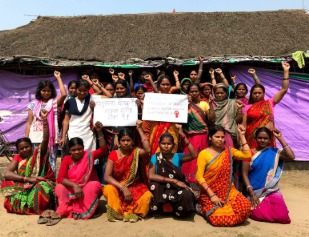
In modern India’s race toward development, some parts of the country remain trapped in age-old fears and informal systems of “justice.” Witchcraft accusations and vigilante punishments still occur in several rural regions, reflecting a deeper crisis — the rural justice gap. These incidents are not isolated superstitions; they point to the absence of accessible legal protection, awareness, and trust in the justice system.
The Reality of Witchcraft Accusations
In many villages, individuals — often women, widows, or marginalized persons — are branded as witches for reasons ranging from illness, crop failure, or personal disputes. These accusations frequently lead to public humiliation, violence, or even lynching.
While several states, including Jharkhand, Chhattisgarh, and Assam, have passed anti-witch-hunting laws, enforcement remains inconsistent. The lack of police presence, delayed investigations, and social stigma allow such practices to continue unchecked.
Vigilante Actions: Justice Turned Dangerous
When faith in the formal legal system weakens, communities often turn to self-styled justice — vigilantism. From punishing alleged witches to targeting supposed thieves or “immoral” behavior, mob justice has become a recurring pattern in rural India.
This breakdown of lawful order reflects three core issues:
Limited Legal Awareness – People often don’t understand legal rights or available protections.
Weak Institutional Reach – Courts and police are physically and socially distant in many rural districts.
Cultural Conditioning – Traditional belief systems sometimes override rational, evidence-based reasoning.
What We’re Missing
1. Education and Awareness
Grassroots campaigns that combine cultural understanding with factual education are crucial. NGOs and state authorities need to work together to replace superstition with science and empathy.
2. Legal Accessibility
Mobile legal aid centers, fast-track rural courts, and women’s protection cells can bridge the justice gap effectively.
3. Accountability and Reporting
Stronger action against perpetrators and local leaders who enable mob behavior is essential for deterrence.
4. Empowering Local Voices
Training local women and youth as “justice volunteers” can help communities rely less on superstition and more on legal remedies.
Human Stories Behind the Headlines
Behind every case is a story — of fear, isolation, and lack of support. Many victims lose homes, families, and dignity without ever seeing justice. Highlighting these personal stories in the media and educational initiatives can humanize the issue and push for lasting reform.
Conclusion
Witchcraft-related violence is not about magic or myth — it’s about power, ignorance, and inequality. India’s rural justice gap will persist until every citizen, regardless of geography or gender, can trust that the law protects them. The solution lies not only in punishment but also in awareness, empathy, and systemic reform.
FAQs
Q1. Where are witchcraft-related cases most common in India?
Such cases are often reported from Jharkhand, Assam, Chhattisgarh, Odisha, and parts of Rajasthan and Bihar.
Q2. Are there laws against witch-hunting?
Yes. Several states have enacted anti-witch-hunting legislation, but enforcement and awareness remain limited.
Q3. Why do people still believe in witchcraft?
A mix of superstition, lack of education, and local power dynamics sustain these beliefs.
Q4. What can be done to prevent such incidents?
Promoting education, legal awareness, and rural policing — along with social reform programs — can significantly reduce such violence.
Published on : 2nd November
Published by : SMITA
www.vizzve.com || www.vizzveservices.com
Follow us on social media: Facebook || Linkedin || Instagram
🛡 Powered by Vizzve Financial
RBI-Registered Loan Partner | 10 Lakh+ Customers | ₹600 Cr+ Disbursed
https://play.google.com/store/apps/details?id=com.vizzve_micro_seva&pcampaignid=web_share