

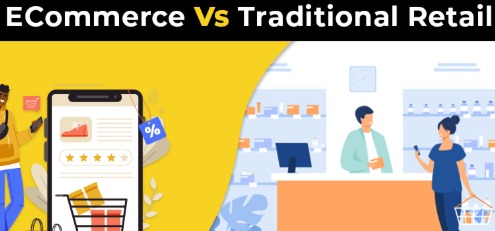
India’s retail landscape is evolving rapidly. While e-commerce giants like Amazon, Flipkart, and Reliance Digital continue to expand their footprint, traditional markets remain vital hubs for daily shopping, local produce, and cultural experiences.
As we enter October 2025, a clear pattern is emerging in consumer preferences, spending habits, and market strategies that highlight the ongoing competition and coexistence between the two retail formats.
1. Traditional Markets: Holding Their Ground
Local Preference: Shoppers continue to value fresh produce, personal service, and bargaining power.
Cultural Significance: Markets like Delhi’s Chandni Chowk and Mumbai’s Crawford Market attract both locals and tourists.
Resilience: Despite digital growth, footfall remains strong, especially for groceries, textiles, and household items.
Adoption of Digital Payments: Many vendors now accept UPI, QR codes, and digital wallets, bridging the convenience gap.
2. E-Commerce Giants: Rapid Growth and Innovation
Expanding Product Range: Electronics, fashion, groceries, and even niche products are available online with fast delivery.
Technology Integration: AI-driven recommendations, AR try-ons, and personalized offers attract younger consumers.
Discount Wars: October is witnessing heavy festive season sales, drawing customers away from traditional markets.
Subscription & Loyalty Programs: E-commerce platforms incentivize repeat purchases and increase brand loyalty.
3. Key Consumer Trends in October 2025
Hybrid Shopping: Consumers prefer a mix of online convenience and offline experience.
Festive Buying Spree: Traditional markets see a surge in festive sales, but online discounts are capturing urban millennials.
Rising Tier-2 & Tier-3 E-Commerce Adoption: Smaller cities are increasingly using apps for electronics, apparel, and groceries.
Sustainability Preference: Shoppers are gradually favoring local and eco-friendly products, benefiting traditional vendors.
4. Future Outlook
Traditional markets are likely to coexist with e-commerce, leveraging technology for payments, inventory, and promotions.
E-commerce giants will continue to invest in hyperlocal delivery, AI-driven personalization, and tier-2 city expansion.
Collaborative strategies, like digital marketplaces for local vendors, could bridge the gap between offline and online retail.
FAQs
Q1: Are traditional markets declining in India?
No. They continue to thrive for groceries, textiles, and cultural experiences despite the e-commerce boom.
Q2: How are consumers choosing between online and offline shopping?
Decisions depend on product type, convenience, pricing, and personal experience.
Q3: Which cities are seeing the fastest e-commerce growth?
Tier-1 and Tier-2 cities like Bengaluru, Pune, Jaipur, and Lucknow are experiencing rapid e-commerce adoption.
Q4: How are traditional markets adapting to technology?
Many vendors now accept digital payments, maintain social media presence, and join online marketplaces.
Q5: What’s the forecast for Indian retail in 2025?
A hybrid model blending traditional markets with digital commerce is expected to dominate, driven by convenience, technology, and consumer choice.
Published on : 4th October
Published by : SMITA
www.vizzve.com || www.vizzveservices.com
Follow us on social media: Facebook || Linkedin || Instagram
🛡 Powered by Vizzve Financial
RBI-Registered Loan Partner | 10 Lakh+ Customers | ₹600 Cr+ Disbursed
https://play.google.com/store/apps/details?id=com.vizzve_micro_seva&pcampaignid=web_share