

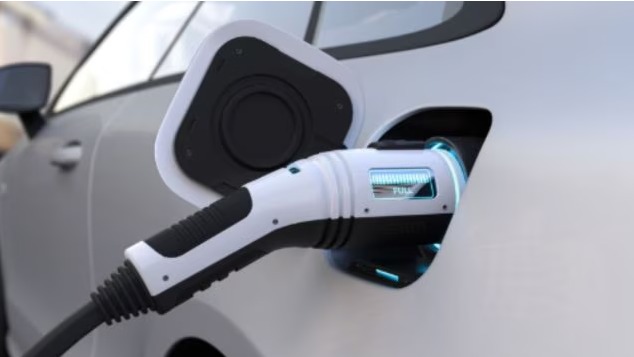
India to be world’s 4th largest electric car maker by 2030; must cut costs to compete with China: Rhodium
India is poised to become the fourth-largest electric car manufacturer in the world by 2030, according to a recent analysis by the Rhodium Group. As the global electric vehicle (EV) market expands rapidly, India is emerging as a key player, supported by government initiatives and increasing domestic demand. However, to sustain this trajectory and challenge China’s dominance, India must focus on reducing production costs and strengthening supply chains.
India’s EV Surge: A Global Shift
Rhodium’s forecast underlines India's significant potential, projecting a steep increase in EV production volumes by 2030. With ambitious climate goals and a growing push towards clean mobility, the Indian auto industry is being reshaped by innovation, policy incentives, and rising consumer interest in electric vehicles.
Key Drivers Behind Growth
Policy Support: Initiatives like the FAME II scheme and state-level subsidies are accelerating EV adoption.
Investment in Infrastructure: Improved charging infrastructure and R&D investments are enabling mass-scale EV production.
Consumer Demand: The shift in consumer mindset towards sustainable transportation is fueling EV sales.
China: The Competitive Benchmark
Despite India's upward trajectory, the challenge lies in competing with China, which currently dominates the global EV market with low-cost manufacturing, extensive raw material access, and integrated battery supply chains.
Rhodium cautions that without cost competitiveness, India’s manufacturing growth could face limitations. Localizing battery production, reducing dependence on imports, and incentivizing innovation in battery technology are essential to match China's pricing advantage.
India’s Export Potential
India’s evolving EV ecosystem also opens doors to export opportunities, particularly to Southeast Asia, Africa, and Europe. Companies such as Tata Motors, Mahindra Electric, and Ola Electric are already investing in scalable solutions and international strategies.
Challenges Ahead
High battery costs and import dependency
Limited access to rare earth materials
Need for skilled labor and automation
Regulatory consistency across states
The Road Ahead
To truly establish itself as a global EV powerhouse, India must address these gaps while leveraging its large domestic market. Encouraging private investments, promoting public-private partnerships, and fostering startup innovation will be key to ensuring long-term success.
FAQs
Q1: Why is India expected to become the 4th largest EV maker by 2030?
India’s rise in EV production is driven by government policies, rising demand, and infrastructure development, according to the Rhodium Group.
Q2: What challenges must India overcome to compete with China?
India needs to reduce production costs, localize battery manufacturing, and secure critical raw materials to compete effectively with China.
Q3: Which companies are leading India’s EV market?
Tata Motors, Mahindra Electric, Ola Electric, and BYD India are among the key players in the Indian EV industry.
Q4: How does the FAME II scheme support EV growth?
The FAME II (Faster Adoption and Manufacturing of Hybrid and Electric Vehicles) scheme provides financial incentives for EV buyers and manufacturers, supporting infrastructure and innovation.
Q5: What is the significance of EV exports from India?
With growing global demand, India has the potential to become an EV export hub for emerging markets, boosting economic and industrial growth.
Publish on june 20,2025 by :selvi
www.vizzve.com || www.vizzveservices.com
Follow us on social media: Facebook || Linkedin || Instagram
🛡 Powered by Vizzve Financial
RBI-Registered Loan Partner | 10 Lakh+ Customers | ₹600 Cr+ Disbursed