

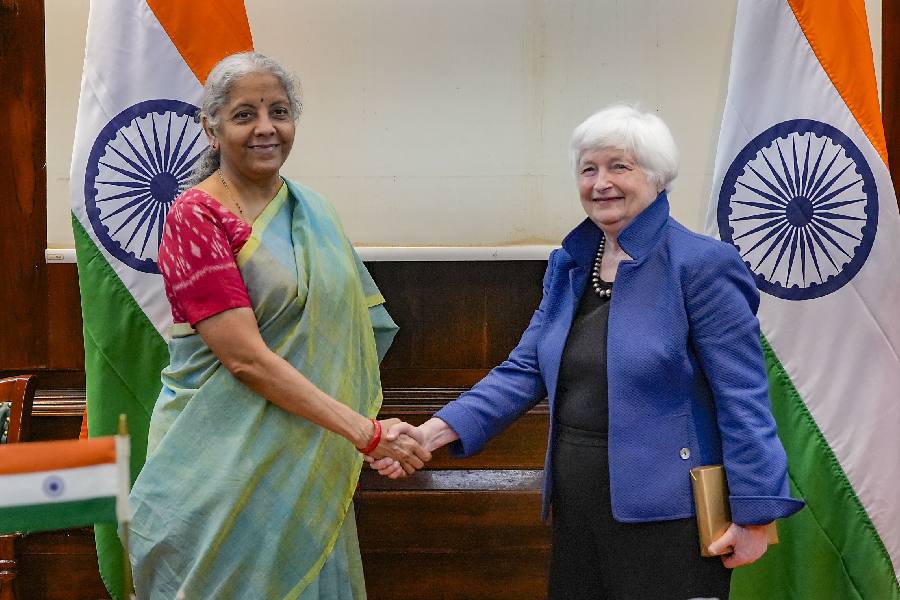
India and the United States share one of the world’s most important economic relationships, and this partnership is set to grow stronger. Finance Minister Nirmala Sitharaman recently confirmed that India’s diplomatic team is actively engaging with the U.S. on trade negotiations, signaling a renewed effort to deepen ties, expand market access, and enhance cooperation across multiple sectors.
🔴 India–U.S. Trade Relations: A Strategic Priority
The U.S. is India’s largest trading partner, accounting for billions of dollars in annual trade. From technology and defense to agriculture and pharmaceuticals, both nations benefit from this partnership. The confirmation of ongoing talks underscores India’s strategy to:
Expand export opportunities for Indian businesses
Strengthen bilateral investment flows
Address trade barriers and tariffs
Enhance cooperation in emerging industries like AI, clean energy, and semiconductors
🔴 Why Are Trade Talks Important Now?
Several factors make these discussions especially significant in 2025:
Global Economic Shifts – With supply chains realigning post-pandemic, India is positioning itself as a reliable alternative to China.
Energy & Technology Cooperation – Both nations are focusing on clean energy investments and digital trade frameworks.
Investment Growth – U.S. companies are expanding in India, while Indian IT and pharma exports remain crucial to the U.S. economy.
Geopolitical Dynamics – Strengthened ties help counterbalance global challenges and promote regional stability.
🔴 Key Areas of Discussion
Tariff Reductions – Lowering duties on Indian exports such as textiles, steel, and agricultural products.
Technology Partnerships – Collaborating on AI, cybersecurity, and semiconductor supply chains.
Energy & Sustainability – Joint projects in renewables, EVs, and green hydrogen.
Defense & Strategic Industries – Expanding military cooperation and defense manufacturing.
Services Sector – Facilitating easier movement for professionals in IT, healthcare, and financial services.
🔴 Implications for India’s Economy
Boost for Exporters – Lower tariffs will help Indian products gain competitiveness in U.S. markets.
Investment Inflows – Stronger ties will attract more FDI into Indian manufacturing and technology sectors.
Job Creation – Expanding exports and investments will support employment growth in India.
Innovation Push – Collaboration in digital trade and technology will accelerate India’s startup ecosystem.
🔴 Challenges Ahead
While opportunities are vast, challenges remain:
Trade imbalances need to be managed carefully.
Visa and immigration policies for professionals must be streamlined.
Regulatory barriers in pharmaceuticals and agriculture remain sticking points.
Geopolitical tensions could influence negotiations.
🔴 Conclusion
India’s confirmation of active trade talks with the U.S. reflects a strong commitment to expanding economic and strategic ties. If successful, these negotiations could bring significant benefits for Indian exporters, investors, and workers, while also strengthening India’s position as a key global economic partner.
✍️ Stronger India–U.S. trade cooperation will not only boost bilateral growth but also reshape the future of global trade dynamics.
❓ Frequently Asked Questions (FAQ)
Q1. What did Finance Minister Nirmala Sitharaman confirm about U.S. trade talks?
She confirmed that India’s diplomatic and economic teams are actively negotiating with the U.S. to strengthen trade and investment ties.
Q2. Why are India–U.S. trade talks important?
They are important to boost exports, attract foreign investments, expand technology cooperation, and strengthen geopolitical partnerships.
Q3. Which sectors will benefit from improved trade relations?
Key beneficiaries include IT, pharmaceuticals, textiles, defense, agriculture, renewable energy, and semiconductors.
Q4. What challenges remain in India–U.S. trade negotiations?
Challenges include trade imbalances, visa policies, regulatory barriers, and geopolitical risks.
Q5. How will Indian businesses benefit from these talks?
Indian exporters could gain greater access to U.S. markets, lower tariffs, and improved investment opportunities, helping them scale globally.
Q6. Will India–U.S. trade talks affect global supply chains?
Yes. With supply chains shifting away from China, India–U.S. cooperation could reshape global trade and manufacturing networks.
Published on : 10th September
Published by : SMITA
www.vizzve.com || www.vizzveservices.com
Follow us on social media: Facebook || Linkedin || Instagram
🛡 Powered by Vizzve Financial
RBI-Registered Loan Partner | 10 Lakh+ Customers | ₹600 Cr+ Disbursed
https://play.google.com/store/apps/details?id=com.vizzve_micro_seva&pcampaignid=web_share