

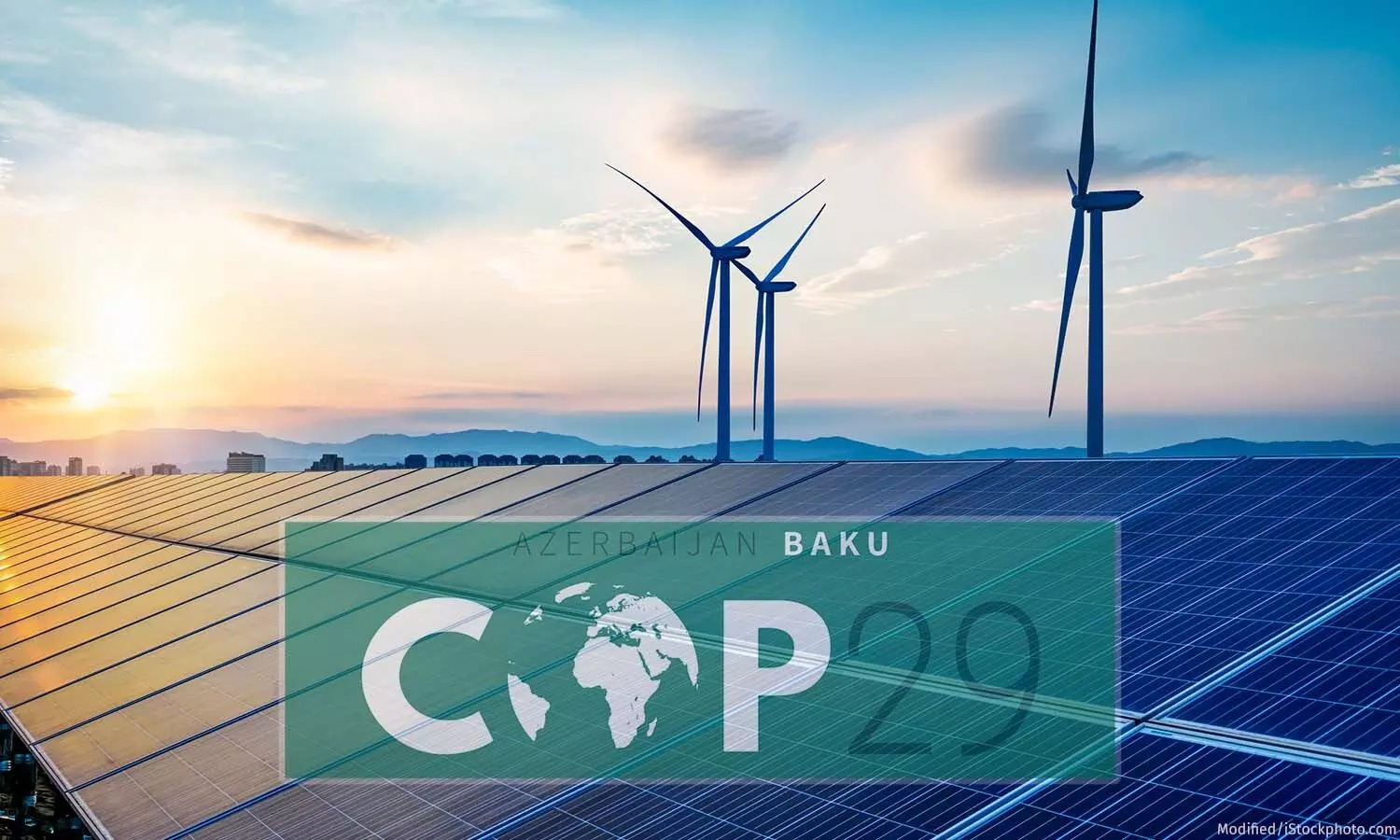
As the world grapples with the worsening climate crisis, India has strongly urged developed countries to increase their financial contributions toward climate action. This push comes ahead of the highly anticipated UN Climate Change Conference (COP 2025), where climate finance is expected to dominate discussions.
🌍 A Call for Climate Justice
India’s demand is rooted in the principle of “common but differentiated responsibilities” – acknowledging that while all countries must combat climate change, developed nations bear greater historical responsibility. For decades, they have contributed the most to global emissions during their industrial growth, while developing countries like India are now bearing the brunt of rising temperatures, erratic rainfall, and climate-induced disasters.
“Climate finance is not charity, it’s a moral obligation,” said a senior official from India’s Ministry of Environment, Forest and Climate Change.
💸 Why Climate Finance Matters
Climate finance refers to money provided by wealthier nations to developing countries to support their efforts in:
Transitioning to clean and renewable energy sources
Building infrastructure resilient to climate change
Preserving biodiversity and natural ecosystems
Supporting vulnerable communities affected by extreme weather
Despite a 2009 promise to provide $100 billion per year by 2020, the target remains unmet. India, along with several other developing nations, argues that existing funds are:
Inadequate in volume
Difficult to access due to bureaucratic red tape
Often issued as loans, increasing debt burdens
India now calls for grant-based, transparent, and predictable financing that aligns with real-world needs.
🏛️ What to Expect at COP 2025
At COP 2025, climate finance reform will be a central issue. India will propose:
A roadmap for increasing annual contributions beyond $100 billion
Mechanisms to ensure easy and fair access to funds
Dedicated support for climate adaptation and loss & damage in the Global South
Enhanced cooperation on green technologies and capacity building
India’s leadership could unify developing nations to form a powerful bloc that insists on a fair and just global climate finance structure.
🔍 Global Reactions
While some developed countries acknowledge the financing gap, disagreements remain on how to raise additional funds and who should contribute. Meanwhile, climate activists and environmental economists have backed India’s call, stating that climate promises without adequate financing are empty gestures.
📌 Conclusion
India’s firm stance underscores a critical truth: Without robust and fair climate financing, the global fight against climate change will fall short. As COP 2025 approaches, all eyes will be on how the developed world responds—not just with words, but with wallets.
❓ FAQs
Q1: What is India’s demand regarding climate finance?
India wants developed countries to significantly increase their climate finance contributions, provide grants instead of loans, and make funds more accessible for developing nations.
Q2: Why is climate finance important?
It helps developing countries invest in green technology, adapt to climate impacts, and reduce emissions—without compromising their development goals.
Q3: What is COP 2025?
COP 2025 is the next United Nations climate summit, where countries will meet to review and update global climate action commitments.
Q4: Has the $100 billion climate finance goal been met?
No. Although promised in 2009, developed countries have consistently fallen short of delivering the full amount annually.
Published on : 1st August
Published by : SMITA
www.vizzve.com || www.vizzveservices.com
Follow us on social media: Facebook || Linkedin || Instagram
🛡 Powered by Vizzve Financial
RBI-Registered Loan Partner | 10 Lakh+ Customers | ₹600 Cr+ Disbursed