

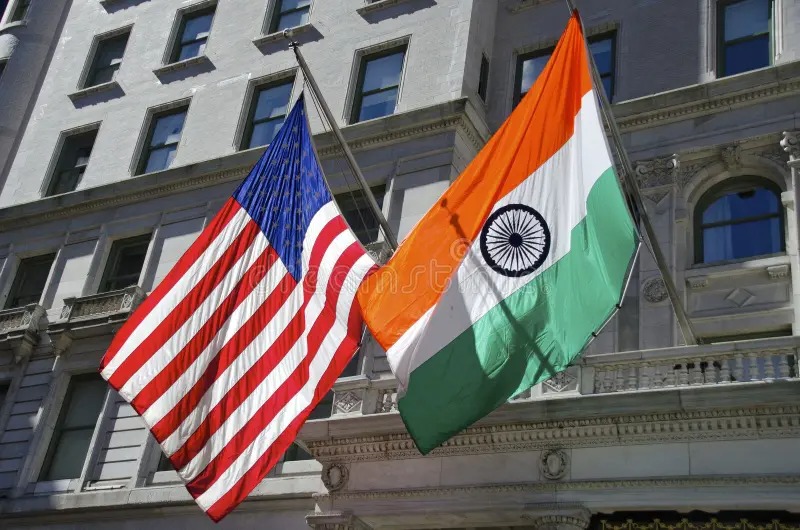
The economic relationship between India and the United States, two of the world’s largest democracies, is experiencing growing strain in 2025. What started as a tariff disagreement has now expanded into a multi-dimensional trade tension involving technology access, WTO compliance, export restrictions, and diplomatic pushback.
Let’s unpack what’s happening, why it matters, and what the future might hold.
What’s Causing the Tension?
1. Tariff Disputes
India has imposed retaliatory tariffs on select US goods in response to earlier tariff hikes by the US.
American agricultural exports and tech components have been particularly affected.
2. Digital Trade and Data Localization
The US is opposing India’s data localization laws, which require companies to store data of Indian users within the country.
Washington sees this as a barrier to free digital trade and a violation of WTO principles.
3. WTO Disputes
India has taken the US to the World Trade Organization (WTO) over steel and aluminum tariffs.
The US, in turn, has flagged India’s subsidy policies and restrictions on e-commerce.
4. Technology Transfer & Export Controls
The US has introduced new export controls on critical technologies, impacting Indian defense and semiconductor sectors.
India sees this as a strategic snub, especially when global tech cooperation is vital.
Diplomatic Fallout
Although both nations continue to highlight their “strategic partnership,” these trade tensions are beginning to affect:
Bilateral investment
Supply chain agreements
Defense and tech collaborations
Negotiations are ongoing, but lack of consensus on key issues is slowing progress.
Economic Impact
| Sector | Impact on India | Impact on US |
|---|---|---|
| Agriculture Exports | Higher import costs for pulses, nuts | Reduced market access for US farmers |
| Tech & IT | Restricted chip access, delays in imports | Tougher data policies for US firms |
| Startups & eCom | Compliance burden with data laws | Increased lobbying against India |
| Manufacturing | Possible slowdown in joint ventures | Export losses in electronics segment |
What Lies Ahead?
✳️ Scenarios:
Negotiated Resolution: Through high-level talks or WTO mediation
Further Escalation: If new tariffs or digital restrictions are added
Third-party Mediation: Like G20 trade forums or ASEAN interlinks
✅ Key Takeaways
India-US trade tension is multi-layered, involving tariffs, tech, and data sovereignty.
While both nations benefit economically from cooperation, political and legal frictions are deepening.
The global economy could be negatively affected if the standoff persists.
❓ FAQs
Q1: What triggered the India-US trade tension?
The primary triggers are retaliatory tariffs, digital data laws, and disagreements at the WTO level.
Q2: How will this affect Indian consumers?
Prices of some imported goods—like tech products or agricultural items—could increase.
Q3: Is this a trade war?
It’s not a full-blown trade war yet, but it’s an escalating economic confrontation with serious implications.
Q4: What industries are most affected?
Tech, agriculture, defense, semiconductors, and digital services.
Q5: Can it be resolved diplomatically?
Yes, with continued high-level trade dialogues and WTO mediation, a resolution is still possible.
Published on : 5th August
Published by : SMITA
www.vizzve.com || www.vizzveservices.com
Follow us on social media: Facebook || Linkedin || Instagram
🛡 Powered by Vizzve Financial
RBI-Registered Loan Partner | 10 Lakh+ Customers | ₹600 Cr+ Disbursed