

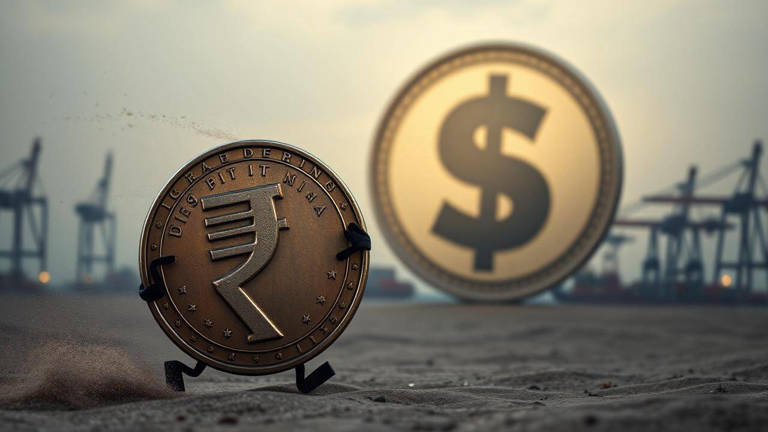
Indian exporters across textiles, chemicals, gems & jewelry, and other sectors are facing mounting pressure from punitive tariffs imposed by the U.S. and other countries. Rising costs and reduced competitiveness are prompting calls for government intervention and financial relief to sustain operations and employment.
Challenges Facing Exporters
Punitive Tariffs: Higher duties on Indian goods in key export markets reduce competitiveness and margin.
Liquidity Strain: Lower demand and higher costs put pressure on working capital and cash flows.
Currency Fluctuations: Volatile exchange rates can further impact profitability.
Credit Constraints: Exporters need affordable credit to manage orders, shipments, and raw material purchases.
Relief Measures Requested by Exporters
Moratorium on Principal and Interest Payments: Exporters are asking for temporary suspension of loan repayments to ease liquidity pressure.
Favorable Exchange Rate Treatment: Preferential or hedged rates for foreign earnings to reduce losses from currency fluctuations.
Access to Credit Guarantee Schemes: Easier access to government-backed credit schemes to secure working capital and expansion finance.
Reduced Compliance Costs: Streamlined procedures for export documentation, shipping, and customs clearance.
These measures aim to protect exporters’ cash flow, maintain employment, and sustain India’s presence in global markets.
Government and Regulatory Role
Export Credit Agencies: Banks and institutions like Export-Import Bank of India may offer loans and guarantees under government schemes.
Policy Measures: Possible moratorium notifications, forex support, and credit guarantees could be announced to support affected sectors.
Sectoral Interventions: Targeted relief for textiles, chemicals, gems & jewelry may help exporters navigate tariff barriers without halting operations.
Strategic Steps for Exporters
Review Current Loans: Assess eligibility for moratorium or restructuring options with banks.
Hedge Currency Risk: Use forex tools to mitigate losses from exchange rate volatility.
Leverage Government Schemes: Explore credit guarantee programs, export incentives, and financial support packages.
Diversify Markets: Explore new export destinations to reduce reliance on tariff-affected regions.
Conclusion
Punitive tariffs abroad are creating significant challenges for Indian exporters, impacting cash flows and global competitiveness. Relief measures like moratoriums, forex support, and credit guarantee schemes could provide a lifeline, enabling exporters to sustain operations, retain employees, and remain globally competitive.
Frequently Asked Questions (FAQ)
1. Which sectors are most affected by punitive tariffs?
Textiles, chemicals, gems & jewelry, and other export-oriented industries are experiencing reduced competitiveness due to tariffs.
2. What relief measures are exporters seeking?
Moratorium on principal and interest payments
Favorable exchange rate treatment for foreign earnings
Access to credit guarantee schemes
Streamlined compliance and documentation
3. How can exporters benefit from moratoriums?
Temporarily postponing loan repayments improves liquidity and allows exporters to manage operational costs during tough times.
4. What role can government-backed credit schemes play?
Credit guarantee schemes provide collateral-free working capital loans and support exports even when banks perceive higher risk.
5. Can exporters mitigate currency risk on their own?
Yes. Exporters can hedge using forward contracts, currency options, or other forex instruments to reduce losses from exchange rate volatility.
Published on : 15th September
Published by : SMITA
www.vizzve.com || www.vizzveservices.com
Follow us on social media: Facebook || Linkedin || Instagram
🛡 Powered by Vizzve Financial
RBI-Registered Loan Partner | 10 Lakh+ Customers | ₹600 Cr+ Disbursed
https://play.google.com/store/apps/details?id=com.vizzve_micro_seva&pcampaignid=web_share