

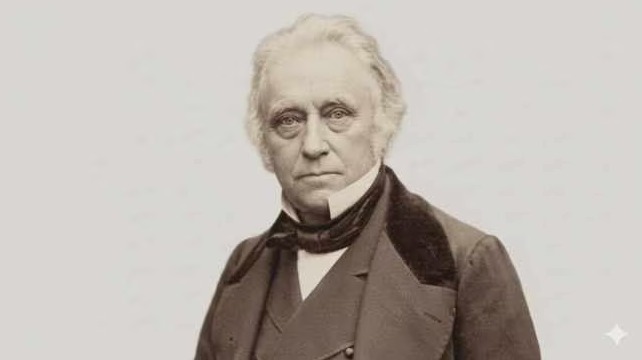
Indian nationalists learnt from Macaulay to give it back to them: What today’s India must learn from this legacy
The story of India’s encounter with British rule is not only about resistance but also about learning, adaptation and strategic mastery. One of the most powerful examples is how Indian nationalists studied Thomas Babington Macaulay’s methods—particularly his push for English education—to eventually reverse the narrative and “give it back” to the colonial establishment.
While Macaulay intended to reshape Indian society through a Westernised elite, Indian nationalists used the very same tool—education, language mastery and structural understanding of administration—to challenge the empire from within. Figures like Dadabhai Naoroji, Bal Gangadhar Tilak, Gopal Krishna Gokhale, Mahatma Gandhi and B.R. Ambedkar turned the colonial education system into a platform for political awakening, intellectual assertion and nation-building.
How Nationalists Learnt From Macaulay
1. Mastering the Language of Power
Macaulay designed the English education system to create intermediaries loyal to the British. Instead, it gave rise to a generation capable of articulating demands, drafting legal arguments, challenging discriminatory policies and influencing global opinion with precision and authority.
Indian reformers realised that speaking the administrative language was essential to defeating the administrative master.
2. Using Education to Build Intellectual Resistance
English education exposed Indian youth to world history, revolutionary movements, and political philosophy. Instead of becoming colonial subjects, they became leaders who questioned the very foundation of British rule.
By learning the system, they found ways to reform it.
3. Turning Colonial Institutions Into Platforms for Reform
The Indian National Congress, legal associations, universities and print media became arenas for debate and mobilisation. The British created these structures for control; nationalists repurposed them for liberation.
4. Crafting Counter-Narratives
Macaulay attempted to delegitimise India’s cultural and historical legacy. Nationalists responded by reviving interest in India’s civilizational heritage, while also engaging modern political thought.
This balance of tradition and modernity became a defining feature of India’s freedom movement.
What India Must Learn Today
1. Understand the System Before Reforming It
Like the nationalists, modern India must study global systems—technology, trade, geopolitics and education—not to imitate blindly but to innovate strategically.
2. Strength Lies in Narrative Control
Countries that shape the global narrative shape global power. India must invest in research, publishing, cultural diplomacy and academic leadership to ensure its voice defines its identity.
3. Education Must Empower, Not Imitate
While English remains an advantage, India must strengthen its educational frameworks in Indian languages, promoting critical thinking, original research and innovation—not rote learning.
4. Use Technology as the New Tool of Influence
Just as English was the tool of the 19th century, digital fluency, AI, data literacy and global communication platforms are the tools of the 21st century.
India’s growth depends on using them with the same strategic awareness the nationalists used when engaging English education.
5. Preserve Culture While Engaging the World
The nationalists proved that one can master a foreign system while fiercely preserving civilizational identity.
Modern India must embrace globalisation without losing cultural roots.
FAQ Section
1. What exactly did Macaulay aim to achieve with his education policy?
Macaulay sought to create an English-educated class that would serve British administrative needs and adopt Western values. However, this policy inadvertently empowered nationalists.
2. How did Indian nationalists turn Macaulay’s plan against the British?
They mastered English, used it to challenge colonial rule, mobilised public opinion and built intellectual legitimacy in global forums.
3. What lessons from this history apply to today’s India?
Understanding systems, shaping narratives, modernising education, strategic use of technology, and preserving cultural identity remain critical.
4. Why is narrative important for national strength?
A strong narrative builds soft power, influences global perception and strengthens national identity.
5. How does financial literacy connect to national empowerment?
Just as education empowered freedom fighters, financial literacy empowers citizens to participate fully in the economic growth of the country.
Published on : 27th November
Published by : Selvi
www.vizzve.com || www.vizzveservices.com
Follow us on social media: Facebook || Linkedin || Instagram
🛡 Powered by Vizzve Financial
RBI-Registered Loan Partner | 10 Lakh+ Customers | ₹600 Cr+ Disbursed