

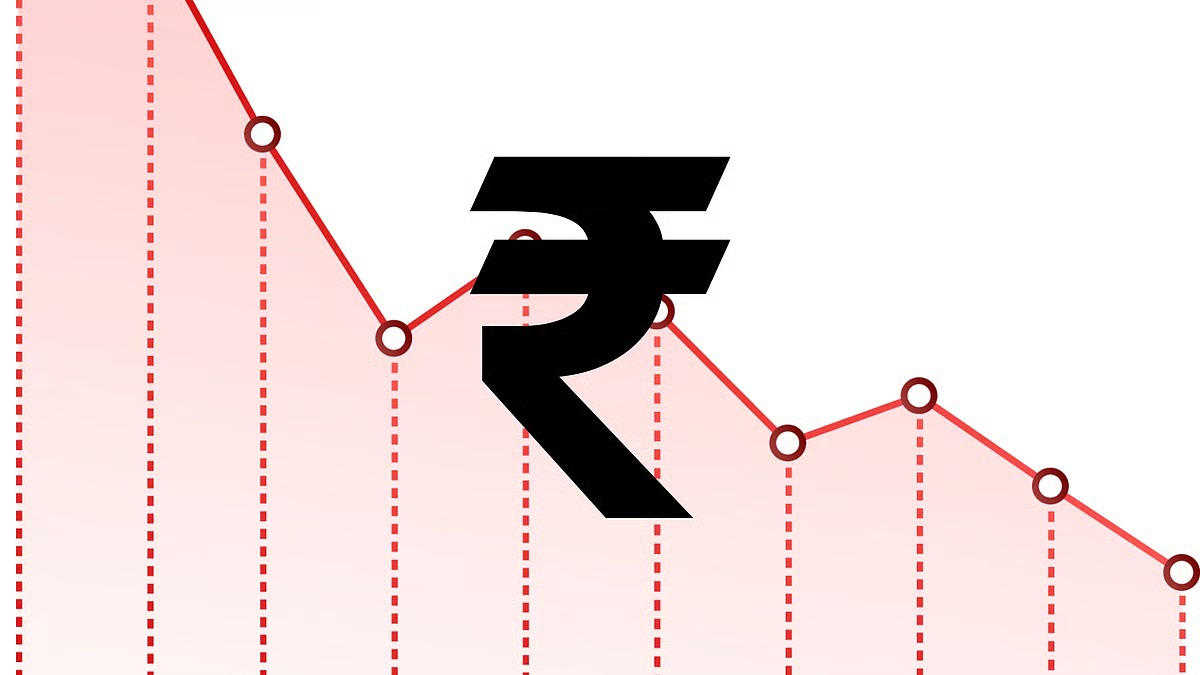
The Indian rupee has fallen to historic lows in 2025, driven by escalating US tariffs on Indian exports and rising global trade uncertainties. The decline has sparked concerns about inflation, import costs, and overall financial stability. While exporters may find some relief in a weaker rupee, the broader economic impact highlights India’s vulnerability to global trade shocks.
Why the Rupee is Falling
US Tariffs on Indian Goods – Tariff hikes on sectors like textiles, steel, and IT hardware have hurt trade confidence.
Capital Outflows – Global investors are pulling funds toward safer US assets, strengthening the dollar and weakening the rupee.
Widening Trade Deficit – Higher import costs, especially for crude oil and electronics, are pressuring the current account.
Market Sentiment – Fears of prolonged tariff disputes are driving volatility across currency and equity markets.
Impact on India’s Economy
Import Costs Rising – Essential imports like crude oil, electronics, and machinery become more expensive, fueling inflation.
Exporters Gain Competitiveness – A weaker rupee makes Indian goods cheaper in global markets, partially offsetting tariff damage.
Pressure on Consumers – Imported goods and fuel prices rise, impacting household budgets.
Corporate Debt Risk – Companies with dollar-denominated debt face higher repayment costs.
Government and RBI Response
Currency Intervention – The Reserve Bank of India (RBI) is likely to step in with dollar sales to stabilize the rupee.
Policy Support for Exporters – Government measures include boosting export incentives and exploring new trade partners.
Strengthening Forex Reserves – India is prioritizing reserve management to handle external shocks.
What This Means Going Forward
The rupee’s decline underlines India’s exposure to global trade tensions. While short-term volatility is expected, the long-term response may involve diversifying trade partners, expanding renewable energy to reduce oil dependency, and encouraging foreign direct investment to stabilize flows.
Conclusion
The Indian rupee hitting historic lows amid US tariffs is both a challenge and an opportunity. While the weakness highlights vulnerabilities in trade and capital flows, it also pushes India to strengthen its financial resilience, diversify trade strategies, and accelerate structural reforms.
FAQs
Q1. Why has the Indian rupee hit historic lows in 2025?
The fall is mainly due to US tariffs on Indian exports, capital outflows to the US, and a widening trade deficit.
Q2. How do US tariffs affect the Indian rupee?
Tariffs reduce export competitiveness, hurt investor confidence, and increase pressure on India’s trade balance, weakening the rupee.
Q3. Who benefits from a weaker rupee?
Exporters gain as their goods become cheaper globally, but importers, debt-heavy firms, and consumers face higher costs.
Q4. What is the RBI doing to stabilize the rupee?
The RBI intervenes by selling dollars, manages forex reserves, and coordinates with the government to ease market pressure.
Q5. Will the rupee recover soon?
Recovery depends on trade negotiations, global oil prices, and capital inflows. Structural reforms and diversified trade will be key to long-term stability.
Published on : 31st August
Published by : SMITA
www.vizzve.com || www.vizzveservices.com
Follow us on social media: Facebook || Linkedin || Instagram
🛡 Powered by Vizzve Financial
RBI-Registered Loan Partner | 10 Lakh+ Customers | ₹600 Cr+ Disbursed
https://play.google.com/store/apps/details?id=com.vizzve_micro_seva&pcampaignid=web_share