

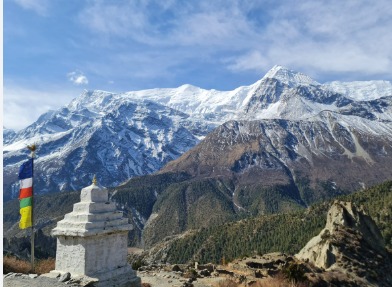
A 54-year-old Indian trekker lost his life to altitude sickness while hiking along Nepal’s famed Annapurna Circuit, one of the most popular trekking routes in the world. The incident serves as a tragic reminder of the risks associated with high-altitude trekking, particularly for those unacclimatized or physically unprepared for extreme elevation changes.
Authorities in Nepal confirmed that the trekker fell ill due to acute mountain sickness (AMS), a condition that can affect anyone ascending to high altitudes too quickly. Despite attempts to assist and provide medical help, his condition deteriorated rapidly.
The Incident
According to reports, the trekker was part of a group exploring the Annapurna Circuit, which ranges between 2,500 to 5,400 meters above sea level. While ascending toward a high-altitude pass, he began experiencing severe symptoms, including headache, breathlessness, nausea, and dizziness.
Fellow trekkers and guides attempted to provide first aid and arranged for help, but due to remote terrain and thin air, emergency evacuation was delayed. Unfortunately, the trekker succumbed to altitude-related complications before reaching lower ground for treatment.
About the Annapurna Circuit
The Annapurna Circuit is one of the most breathtaking trekking routes in Nepal, offering views of the Annapurna and Dhaulagiri ranges. Stretching over 160 kilometers, it passes through diverse landscapes — from subtropical valleys to snowy high passes such as Thorong La Pass at 5,416 meters.
While stunningly beautiful, the route also poses serious challenges:
Rapid altitude gain
Unpredictable weather conditions
Limited medical facilities in remote areas
This combination makes proper acclimatization essential for trekkers, especially those above 40 or with preexisting health conditions.
Understanding Altitude Sickness
Altitude sickness, or acute mountain sickness (AMS), occurs when the body fails to adjust to lower oxygen levels at high altitudes. Symptoms may appear as early as 2,500 meters and can worsen rapidly if ignored.
Common symptoms include:
Headache
Fatigue
Dizziness
Shortness of breath
Loss of appetite
Difficulty sleeping
If untreated, AMS can progress to High-Altitude Pulmonary Edema (HAPE) or High-Altitude Cerebral Edema (HACE) — both life-threatening conditions.
Safety Measures for High-Altitude Treks
This incident underscores the importance of taking necessary precautions when trekking in mountainous regions:
🧭 Acclimatize gradually – Increase altitude slowly and rest every few thousand feet.
💧 Stay hydrated – Drink plenty of fluids but avoid alcohol and caffeine.
🩺 Know the symptoms – Recognize early signs of AMS and act quickly.
🚑 Carry medication – Drugs like acetazolamide (Diamox) can help prevent altitude sickness.
🏕️ Rest if unwell – Never push further uphill with symptoms; descend immediately.
📱 Use local guides – Experienced guides can identify early warning signs and manage emergencies.
Nepal’s Response
Nepal’s trekking authorities regularly issue safety advisories for tourists, urging them to secure travel insurance, undergo fitness checks, and acclimatize properly. The government and local rescue agencies have improved response times in popular trekking regions, but remote terrain still poses challenges.
A Growing Concern
With trekking gaining immense popularity among Indian tourists, especially in Nepal’s Himalayan circuits, incidents of altitude-related sickness have also been on the rise. Experts advise travelers to treat high-altitude trekking not as an adventure, but as a test of endurance and discipline.
Proper preparation, fitness, and awareness can make the difference between an unforgettable journey and a tragic one.
Conclusion
The death of the 54-year-old Indian trekker in Nepal’s Annapurna Circuit is a somber reminder of how mountain adventures demand respect for nature’s limits. As more people take to high-altitude trails for thrill and exploration, awareness about altitude sickness and emergency readiness becomes crucial.
Safety, patience, and preparation should always come before ambition — because in the mountains, prevention truly saves lives.
FAQs
Q1. What caused the Indian trekker’s death in the Annapurna Circuit?
He died of altitude sickness (acute mountain sickness) while trekking at a high altitude in Nepal.
Q2. What is the Annapurna Circuit known for?
It is one of the most scenic and challenging treks in Nepal, crossing multiple landscapes and high passes like Thorong La.
Q3. Can altitude sickness affect anyone?
Yes, it can affect anyone regardless of age, gender, or fitness level if they ascend too quickly without proper acclimatization.
Q4. How can trekkers prevent altitude sickness?
By ascending slowly, staying hydrated, resting at intervals, and descending immediately if symptoms appear.
Q5. Is trekking insurance mandatory in Nepal?
It’s not mandatory for all routes, but highly recommended for treks above 3,000 meters due to potential emergency evacuations.
Published on : 6th November
Published by : SMITA
www.vizzve.com || www.vizzveservices.com
Follow us on social media: Facebook || Linkedin || Instagram
🛡 Powered by Vizzve Financial
RBI-Registered Loan Partner | 10 Lakh+ Customers | ₹600 Cr+ Disbursed