

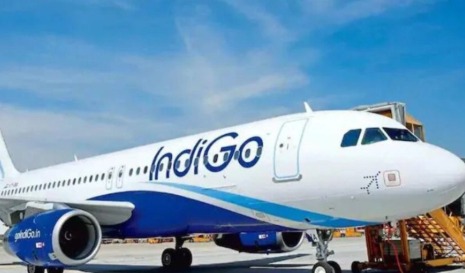
IndiGo, India’s largest airline, has recently been fined ₹20 lakh by the Directorate General of Civil Aviation (DGCA) for not using ‘qualified simulators’ in pilot training. This penalty underscores the importance of strict compliance with aviation safety standards in India’s rapidly growing airline industry.
Pilot training is a critical aspect of aviation safety, and the DGCA emphasizes that airlines must follow approved protocols to ensure both crew competency and passenger safety.
What Happened?
The DGCA conducted an audit and found that IndiGo did not fully comply with simulator training requirements for certain pilots.
The fine of ₹20 lakh reflects regulatory enforcement to maintain high safety standards in commercial aviation.
IndiGo, however, has stated that it is cooperating with authorities and reviewing compliance protocols.
Importance of ‘Qualified Simulators’ in Pilot Training
Realistic Flight Scenarios
Simulators replicate emergency situations, adverse weather, and technical failures safely.
Safety & Risk Reduction
Pilots can practice handling critical situations without endangering lives or aircraft.
Skill Assessment
Regulators use simulator-based training to assess pilot proficiency and adherence to operational standards.
Regulatory Compliance
DGCA and global aviation authorities mandate simulator usage for licensing and recurrent training.
Implications for the Aviation Industry
Regulatory Scrutiny: Airlines may face more frequent audits to ensure compliance with simulator training standards.
Focus on Safety Culture: This incident reinforces the priority of safety over operational convenience.
Public Confidence: Passengers are reassured that air travel safety is closely monitored by regulatory bodies.
Operational Costs: Airlines may incur additional expenses for simulator training, but this ensures long-term safety and reliability.
FAQ: Pilot Training and Simulator Compliance
Q1. Why are qualified simulators mandatory for pilot training?
A: They provide safe, realistic training environments to handle emergencies and improve skill levels.
Q2. How does this fine impact IndiGo’s operations?
A: The fine is financial and regulatory, not operational. However, IndiGo must ensure compliance to avoid future penalties.
Q3. Are simulator standards different for domestic and international flights?
A: Yes, international flights often require more rigorous simulator certifications, aligned with ICAO guidelines.
Q4. Can pilots be trained without simulators?
A: No. Qualified simulator training is mandatory for licensing and recurrent checks.
Q5. Will this affect passenger safety?
A: The incident highlights temporary non-compliance, but there’s no immediate risk to passengers; it strengthens safety practices going forward.
Conclusion
The ₹20 lakh fine on IndiGo is a reminder of the critical importance of aviation safety compliance in India. As air travel continues to grow, regulators and airlines must prioritize pilot training and simulator usage to ensure safe skies for all passengers.
This enforcement also signals to the industry that cutting corners in safety protocols will have consequences, emphasizing the role of regulatory oversight in building public trust.
Published on : 9th October
Published by : SMITA
www.vizzve.com || www.vizzveservices.com
Follow us on social media: Facebook || Linkedin || Instagram
🛡 Powered by Vizzve Financial
RBI-Registered Loan Partner | 10 Lakh+ Customers | ₹600 Cr+ Disbursed
https://play.google.com/store/apps/details?id=com.vizzve_micro_seva&pcampaignid=web_share