

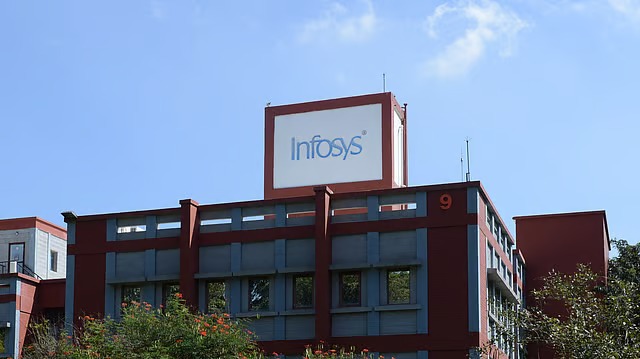
Infosys, one of India’s largest IT services companies, has announced a share buyback plan, signaling its intent to return surplus cash to shareholders. While buybacks are often seen as a way to reward investors, they also raise questions about capital allocation, growth strategy, and long-term shareholder value.
1. What Is a Share Buyback?
A share buyback occurs when a company repurchases its own shares from the open market. This reduces the number of outstanding shares, often leading to:
Higher earnings per share (EPS)
Increased share price
Greater shareholder value for remaining equity holders
2. Why Infosys Chose a Buyback
Excess Cash: Infosys has strong cash reserves from years of profitable operations.
Enhancing Shareholder Returns: A buyback is a way to reward shareholders directly without altering dividend policies.
Signal of Confidence: Management shows confidence in the company’s long-term prospects by investing in its own stock.
3. Potential Benefits for Shareholders
EPS Growth: Fewer outstanding shares mean higher EPS, improving valuation metrics.
Share Price Support: Buybacks often provide upward momentum for stock prices in the short term.
Flexible Payout: Unlike dividends, buybacks offer tax efficiency and can be executed without committing to recurring cash outflows.
4. Considerations and Risks
Opportunity Cost: Cash used for buybacks could alternatively fund acquisitions, R&D, or new digital initiatives, potentially generating higher long-term returns.
Market Timing Risk: If shares are repurchased at high prices, the company may not get the best value for its cash.
Short-Term vs Long-Term Impact: Buybacks boost stock metrics temporarily but may not drive sustainable business growth.
5. Investor Takeaways
Investors seeking short-term capital gains may benefit from buyback-induced price support.
Long-term investors should evaluate Infosys’ reinvestment strategy alongside buyback plans.
Consider overall market conditions, IT sector trends, and the company’s growth trajectory before making investment decisions.
FAQs
Q1: How does a buyback affect Infosys’ stock price?
Reducing outstanding shares can boost EPS and potentially drive the stock price higher.
Q2: Is a buyback better than dividends?
Buybacks offer tax efficiency and flexibility but may not provide recurring income like dividends.
Q3: Could Infosys invest cash elsewhere?
Yes, the company could use cash for acquisitions, R&D, or strategic initiatives, which may deliver longer-term growth.
Q4: Who benefits most from a buyback?
Shareholders who hold stock during and after the buyback benefit from EPS growth and potential stock price appreciation.
Q5: Are there any risks with a buyback?
Yes—repurchasing shares at high prices or using cash that could generate higher returns elsewhere can be a drawback.
Published on : 11th September
Published by : SMITA
www.vizzve.com || www.vizzveservices.com
Follow us on social media: Facebook || Linkedin || Instagram
🛡 Powered by Vizzve Financial
RBI-Registered Loan Partner | 10 Lakh+ Customers | ₹600 Cr+ Disbursed
https://play.google.com/store/apps/details?id=com.vizzve_micro_seva&pcampaignid=web_share