

Content:
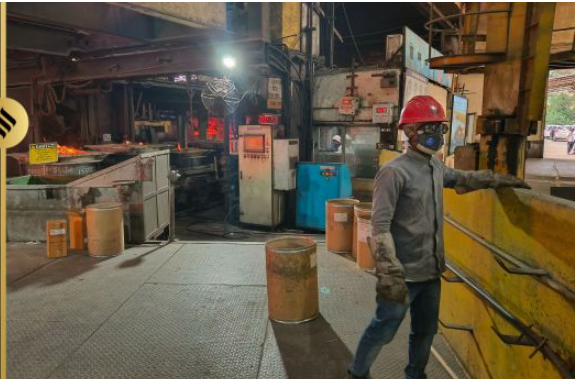
Bengaluru’s rail factory is where steel meets precision, and sparks fly—literally. In a matter of two minutes, a red-hot wheel is born, transformed from raw metal into a vital part of India’s sprawling railway network.
Walking through the factory floor, one is struck by a blend of controlled chaos and meticulous order. Sparks shower from grinding wheels, hissing and glowing like miniature fireworks, while robotic arms and human hands work in sync to shape steel with unwavering accuracy.
The process begins with raw metal being cut and molded. Skilled engineers monitor every step, ensuring each wheel meets strict quality standards. Within moments, the wheel emerges, red-hot and ready for tempering, a testament to human expertise and industrial efficiency.
This factory doesn’t just produce wheels; it crafts the backbone of Indian railways, supporting thousands of trains across the country. For those who visit or witness its operations, the factory is more than machinery—it’s a spectacle of engineering, discipline, and innovation.
Why It Matters:
Powers India’s extensive railway network.
Demonstrates high standards in safety and quality.
Showcases India’s industrial capabilities on a global stage.
FAQ Section:
Q1: Where is Bengaluru’s rail factory located?
A1: The factory is located in Bengaluru, Karnataka, and is one of India’s premier railway manufacturing units.
Q2: How long does it take to manufacture a rail wheel?
A2: From raw metal to a finished wheel, the process can be observed in two minutes for certain demonstration steps, though full production involves precise multiple stages.
Q3: Are visitors allowed inside the rail factory?
A3: Typically, access is restricted to staff and authorized tours, emphasizing safety due to high-temperature processes and heavy machinery.
Q4: What makes Bengaluru’s rail factory unique?
A4: The factory combines traditional craftsmanship with modern engineering, producing wheels with precision and high-quality standards that support Indian Railways nationwide.
Q5: Can the sparks and heat be dangerous?
A5: While the process involves red-hot metal, strict safety protocols and protective gear ensure the safety of workers and visitors.
Published on :8th September
Published by : aswini
www.vizzve.com || www.vizzveservices.com
Follow us on social media: Facebook || Linkedin || Instagram
🛡 Powered by Vizzve Financial
RBI-Registered Loan Partner | 10 Lakh+ Customers | ₹600 Cr+ Disbursed