

Blog Content
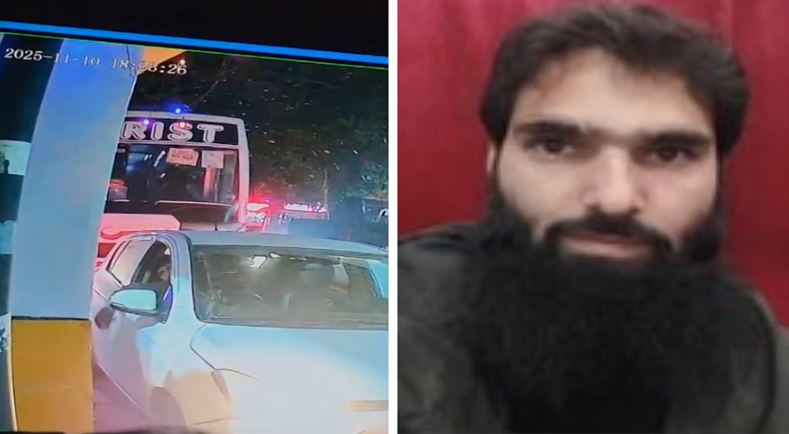
In a chilling revelation of how terror networks are evolving, Indian security agencies have unearthed a sophisticated “white-collar” module of professionals linked to a major attack in the capital. In the aftermath of the car explosion near the Red Fort, Delhi on 10 November 2025, investigators have zeroed in on a group of doctors, clerics and business-persons operating across multiple states.
The Blast and the Trigger
The explosion of a parked Hyundai i20 near the Red Fort metro area killed at least 12 people and left several others injured. Forensic evidence traced ammonium-nitrate based explosive material used in the blast to a cache recovered in Faridabad earlier.
What Makes It ‘White-Collar’ Terror
Unlike traditional terror cells which often recruit from less-privileged segments, this module is characterised by:
Professionals: The core suspects include doctors, many of them well-qualified and socially respected.
Multi-state reach: The investigation spans Jammu & Kashmir, Haryana, Uttar Pradesh and Delhi.
Educated personnel radicalised: According to intelligence sources, doctors from Kashmir and elsewhere were radicalised, recruited and assigned roles in the module.
High explosive cache: Authorities found thousands of kilograms of explosives and related materials.
Doctors Under the Scanner
As per the public reporting:
A group of five doctors are under close investigation. Four are in custody while one is deceased.
Among them is Dr Shaheen Shahid (also referred to as Shaheen Sayeed in some sources) and her brother, Dr Parvez Ansari. Both allegedly working in the network linked to the module.
Another suspect is Dr Sajad Malik from Pulwama, making the total Kashmir-born doctors in the probe at least four.
The Radicalisation Chain
Investigators believe the module was orchestrated by Maulvi Irfan Ahmad Wagay (also known as Imam Irfan), a cleric and paramedic from Shopian, who allegedly radicalised medical students and doctors, weaving together religion, professional legitimacy and terror planning. The involvement of medical professionals points to a worrying shift: radicalisation not limited to disenfranchised groups but creeping into elite spheres. Experts term this phenomenon as "white-collar terror".
What Was the Plan?
While full details are still under investigation, public reporting suggests:
A large consignment of explosives (approximately 2,900 kg) was seized in Faridabad in connection with the module.
The blast at the Red Fort may have been a premature detonation triggered in panic, rather than a fully baked suicide or fidayeen style attack.
The doctors reportedly helped facilitate logistics, procurement, storage or even radicalisation of other professionals.
The motive: produce a high-impact terror strike in the national capital, attack a national symbol and create shock.
Why This Matters
This case raises alarm about radicalisation within professional and educated classes. The involvement of doctors undermines assumptions about “safe” social strata.
It challenges counter-terror frameworks which focus on fringe actors; now the net must include professionals and white-collar roles.
For India’s financial ecosystem, via the lens of Vizzve Finance and other fintechs, this marks a reminder: large sums, professional jobs, trusted institutions can also be misused. Financial flows supporting terror modules aren’t always from the dark web — sometimes via legitimate professions masking illegitimate ends.
It underlines the importance of vigilance: institutions (universities, hospitals) must enforce background checks, peer review, monitoring of unusual fund flows or associations.
How the Investigation Is Progressing
The National Investigation Agency (NIA) and multiple state police forces have joined the probe, given inter-state nature of arrests.
Police raids are ongoing in Jammu & Kashmir (Shopian, Kulgam), Haryana (Faridabad) and UP (Lucknow) focusing on the professional cadre.
Investigators are analysing telecommunication records, professional associations of the suspects, financial transactions, connections to foreign handlers and radical clerics.
The medical institutions (e.g., Al Falah University in Faridabad) are under scrutiny for links to the module.
(FAQs)
Q1: What exactly is meant by ‘white-collar terror module’?
A: A ‘white-collar terror module’ refers to a network of educated, professionally-employed individuals (such as doctors, engineers, professors) participating in terror planning, logistics or facilitation — rather than the stereotypical image of fringe unemployed operatives. In this case, doctors are central to the module.
Q2: Which doctors and how many are under investigation in this case?
A: Media reports indicate that five doctors are under scrutiny: four in custody and one deceased. Notably, Dr Shaheen Shahid (or Shaheen Sayeed) and Dr Parvez Ansari are named; Dr Sajad Malik from Pulwama is another linked case.
Q3: What exactly was the blast near the Red Fort and how is it connected?
A: On 10 November 2025 a car exploded near the Red Fort in Delhi, killing at least 12. Investigators found the blast car linked via ownership and the explosive material matched a cache seized in Faridabad.The terror module is believed to have orchestrated or facilitated the attack.
Q4: How did medical professionals become involved in this terror network?
A: According to sources, a cleric-paramedic from Kashmir, Maulvi Irfan, used his professional and religious standing to recruit and radicalise doctors, medical students and other professionals, blending ideological indoctrination with professional legitimacy.
Q5: What are the implications for institutions and regulatory bodies?
A: The case stresses the need for hospitals, universities, professional councils and financial institutions to conduct deeper scrutiny of professionals’ associations, fund flows, travel and communication. It also encourages collaboration with security agencies. For firms like Vizzve Finance, financial vigilance and awareness programmes become especially relevant.
Q6: How can lay professionals protect themselves and their institutions from being unwittingly implicated?
A: Professionals should maintain transparency in their work, avoid suspicious associations or funding arrangements, ensure institutional oversight of research or overseas collaborations, and report any radical or extremist approach encountered in their sphere. Their governing bodies should conduct regular training on radicalisation awareness.
Source credit : DH web desk
Published on : 12th November
Published by : RAHAMATH
www.vizzve.com || www.vizzveservices.com
Follow us on social media: Facebook || Linkedin || Instagram
🛡 Powered by Vizzve Financial
RBI-Registered Loan Partner | 10 Lakh+ Customers | ₹600 Cr+ Disbursed