

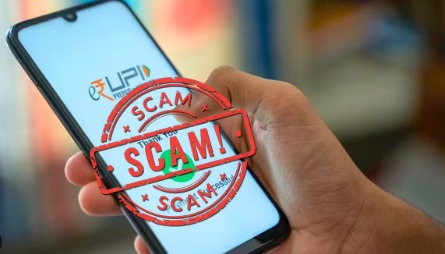
Digital payments in India have grown explosively, and with it, so have the fraud networks targeting them.
One of the most sophisticated threats today is the rise of UPI fraud farms — organised criminal setups that operate almost exactly like call centres.
These are not small-time crooks but structured operations with hierarchy, scripts, software, daily targets, and trained “agents” who specialise in manipulating victims.
Here’s a detailed look at how these fraud farms work, why they are so effective, and how they stay one step ahead.
1. Structured Like Professional Call Centres
UPI fraud farms are usually run from:
Rented apartments
Unmarked offices
Remote locations in other states
Cross-border hubs
Inside, they look disturbingly similar to real customer support centres:
Rows of phones and laptops
High-speed internet lines
Supervisors monitoring calls
Shift-based work
Daily metrics and incentive systems
This structure gives them efficiency and scale.
2. Recruitment Happens Through Telegram & WhatsApp
These networks hire:
Out-of-work youth
People with basic tech skills
Call-centre trained workers
Jobs are advertised as:
“Customer support roles”
“Data verification”
“Digital sales work”
Recruits often don’t know they’re committing fraud until later.
3. Fraudsters Use Scripts — Just Like Customer Service
Every scammer is given a script and training on:
Tone of voice
Confidence-building lines
How to exploit emotions
How to sound “official”
Common scripts include:
“Your KYC is expiring, please verify.”
“Your bank account will be blocked.”
“You have received a refund; please accept it.”
“Your account has been compromised, I will help you secure it.”
Scripts are written to create urgency, which reduces the victim’s ability to think clearly.
4. They Use Real Tech Tools to Appear Legitimate
Fraud farms use software similar to real BPOs:
Spoofed caller ID tools (to appear as bank numbers)
CRM-like dashboards to store data
Recording software
VOIP calling systems
Screensharing or remote-access apps
These tools make scams look extremely authentic.
5. Data Leaks Fuel the Operations
Fraudsters often have access to:
Phone numbers
Email IDs
Address
Bank name
Recent transactions (sometimes)
This data — bought from the dark web or leaked locally — helps scammers personalise their pitch:
“Sir, your SBI account ending with xx52 has a KYC issue.”
Victims instantly trust them.
6. Daily Targets, Bonuses, and Performance Pressure
Fraud agents are given:
Daily scam targets (“close at least 5 victims”)
Incentives for bigger amounts
Leaderboards to track performance
Penalties for missing goals
This gamification increases the scale of fraud.
7. Money Mules & Layering to Hide the Trail
Fraud farms never receive money directly.
They use:
Money mules (people paid to lend accounts)
Small business accounts
Fake merchant UPI handles
Rapid fund transfers
Crypto conversions
This helps launder stolen money quickly.
8. Psychological Manipulation Is Standard Training
Agents learn how to exploit:
Fear (“Your account will be suspended”)
Greed (“You have won cashback”)
Panic (“A wrong debit is showing, let me fix it”)
Trust (“I’m calling from your bank’s fraud department”)
They know which psychological buttons to press depending on the victim’s age, tone, or hesitation.
9. Call Chains Involved in Advanced Scams
Some frauds involve multiple agents:
One poses as a bank officer
Another calls as a “senior verifier”
Another plays “technical support”
This layering creates a sense of legitimacy.
10. Constant Evolution Makes Them Hard to Stop
UPI fraud farms adapt quickly.
When one scam becomes well-known, they switch to another:
Fake KYC
Fake UPI request
QR code fraud
Fake customer support
Loan app extortion
Delivery agent scams
Investment scams
They update scripts weekly.
FAQs
1. What is a UPI fraud farm?
An organised group running scams like a call centre to steal money through UPI.
2. How do they sound so real?
They use prepared scripts, training, spoofed numbers, and leaked user data.
3. Why do people fall for these scams?
Fraudsters create urgency and fear, bypassing rational thinking.
4. How can I stay safe?
Never share OTPs, PINs, screens, or click unknown links. Banks never ask for personal details over calls.
5. Can police track these networks?
Yes, but scammers often use layered accounts, VPNs, and cross-border setups, making it challenging.
Published on : 19th November
Published by : SMITA
www.vizzve.com || www.vizzveservices.com
Follow us on social media: Facebook || Linkedin || Instagram
🛡 Powered by Vizzve Financial
RBI-Registered Loan Partner | 10 Lakh+ Customers | ₹600 Cr+ Disbursed