

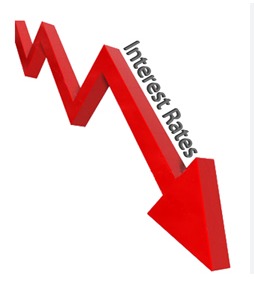
India’s borrowing costs are falling in late 2025 as the Reserve Bank of India (RBI) signals a shift toward a more accommodative policy stance. After months of tight liquidity and high interest rates, the easing cycle is finally beginning.
But a key question remains — will cheaper credit automatically lead to higher loan demand? Analysts suggest that while lower interest rates can make borrowing more attractive, economic sentiment, risk appetite, and regulation still play major roles in determining actual credit growth.
The Fall in Borrowing Costs
The RBI repo rate has been trimmed by 25 basis points, with more cuts expected if inflation stays under control.
Bond yields and lending rates have eased, reducing funding costs for banks and NBFCs.
Corporate borrowing rates are also softening as market confidence improves.
This shift could free up liquidity and encourage both consumer and business borrowing, but only if confidence returns.
Why Lower Costs May Not Guarantee More Loans
Weak Consumer Sentiment:
Inflation fatigue and job insecurity are making households hesitant to take on new debt.
Cautious Lenders:
Banks remain selective, especially after recent unsecured loan stress warnings from the RBI.
Corporate Conservatism:
Businesses are delaying expansion plans despite cheaper funds, waiting for stronger demand signals.
Credit Risk Awareness:
After a phase of over-leveraging, both borrowers and lenders are prioritizing stability over speed.
Regulatory Tightening:
Stricter norms on personal lending and collateral valuation are moderating aggressive loan growth.
What Could Revive Loan Demand?
Experts believe sustained loan growth depends on economic confidence, not just interest rates.
Key triggers include:
Improved rural income and job growth
Government capital spending to spur private investment
Lower inflation, freeing up disposable income
Ease in risk perception among lenders
“Falling rates are necessary, but not sufficient — credit growth needs stronger confidence in the economy,” says a senior economist.
Outlook for 2025
The next few quarters will test whether India’s credit market responds to monetary easing.
While sectors like housing and vehicle finance may see early recovery, corporate and MSME loans could take longer to rebound.
Analysts expect overall credit growth to hover around 10–11%, up slightly from last quarter but below pre-tightening levels.
FAQs
1. Why are borrowing costs falling in India?
Because the RBI has started lowering policy rates to support economic growth amid easing inflation.
2. Does lower interest always mean higher loan demand?
Not necessarily — demand also depends on confidence, job security, and credit risk.
3. Which sectors benefit most from lower rates?
Housing, auto, and MSME sectors usually respond fastest to falling rates.
4. How are banks reacting?
Banks are cautiously optimistic, focusing on creditworthy borrowers and secured lending.
5. What’s the outlook for 2025?
Gradual loan demand recovery as rates fall and economic stability improves.
Published on : 3rd November
Published by : SMITA
www.vizzve.com || www.vizzveservices.com
Follow us on social media: Facebook || Linkedin || Instagram
🛡 Powered by Vizzve Financial
RBI-Registered Loan Partner | 10 Lakh+ Customers | ₹600 Cr+ Disbursed