

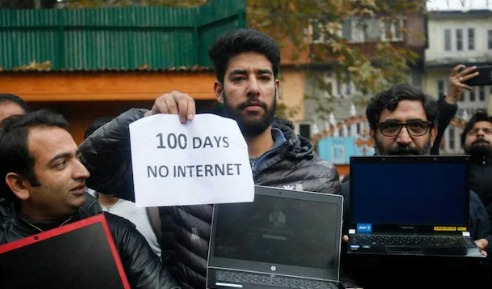
Internet shutdowns have become a common tool for authorities during periods of communal tension. While intended to prevent misinformation and maintain public order, these measures often carry unintended social and economic consequences, impacting communication, livelihoods, and mental well-being.
1. Disruption of Communication
The most immediate effect of an internet shutdown is loss of real-time communication. Families cannot reach each other, emergency alerts may fail, and news dissemination slows down, creating anxiety and confusion.
Messaging apps, social media platforms, and email are often the first casualties, leaving communities isolated at critical moments.
2. Economic Consequences
Internet shutdowns significantly affect small businesses, e-commerce vendors, and freelancers who rely on digital connectivity.
MSMEs lose sales as online payments and orders stall.
Gig workers in food delivery, ride-hailing, and digital services face income disruptions.
Financial transactions and banking operations can be delayed or halted.
These disruptions can cost millions in revenue in just a few days, particularly in regions heavily dependent on digital infrastructure.
3. Social & Mental Health Impacts
Isolation and uncertainty during shutdowns often exacerbate stress, anxiety, and fear. Communities cut off from reliable information may rely on rumors, increasing panic.
Moreover, students and remote workers face learning and productivity setbacks, further affecting societal well-being.
4. Legal & Policy Considerations
While authorities justify shutdowns under public safety and law enforcement regulations, human rights advocates argue for proportionate, transparent, and time-bound measures.
Globally, digital rights frameworks emphasize:
Minimizing impact on essential services
Maintaining access for journalists, healthcare, and emergency services
Periodic review to prevent overreach
Balancing security and digital freedoms is critical to prevent long-term societal harm.
FAQ
Q1: Why are internet shutdowns imposed during communal tensions?
They are intended to prevent rumors, hate speech, and escalation of violence.
Q2: Do shutdowns effectively reduce violence?
Evidence is mixed. While they may slow misinformation, they also disrupt critical communication and may not stop underlying tensions.
Q3: Who is most affected?
Local communities, small businesses, gig workers, students, journalists, and healthcare services.
Q4: Are there alternatives to complete shutdowns?
Yes — targeted social media monitoring, localized network restrictions, and real-time fact-checking can reduce misinformation without cutting off the entire internet.
Conclusion
Internet shutdowns during communal tensions are a double-edged sword. While they aim to maintain order, they can disrupt society, harm livelihoods, and increase anxiety. Moving forward, authorities must balance security with digital rights, using more precise, time-bound, and transparent measures to minimize social harm.
Published on : 15th October
Published by : SMITA
www.vizzve.com || www.vizzveservices.com
Follow us on social media: Facebook || Linkedin || Instagram
🛡 Powered by Vizzve Financial
RBI-Registered Loan Partner | 10 Lakh+ Customers | ₹600 Cr+ Disbursed
https://play.google.com/store/apps/details?id=com.vizzve_micro_seva&pcampaignid=web_share