

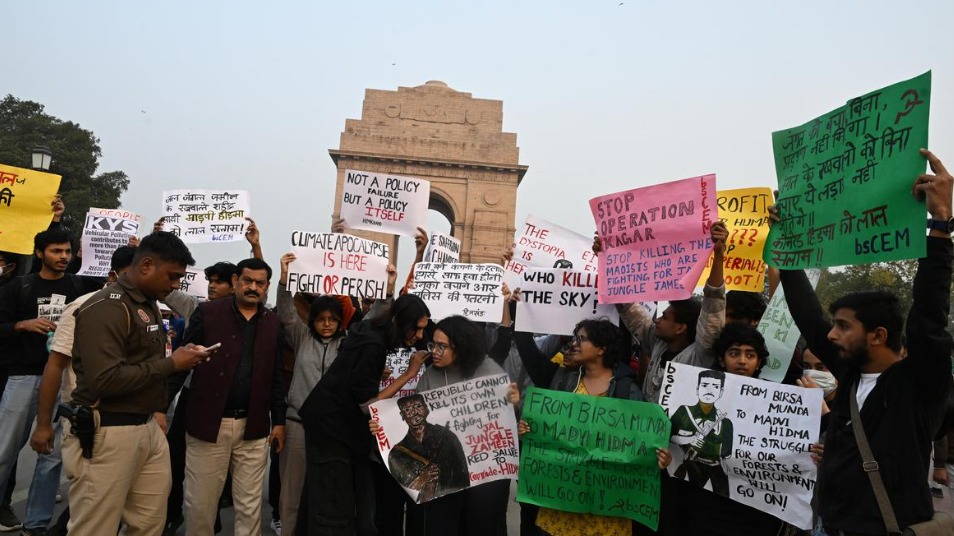
A major controversy erupted online after social media users accused the organisers of the Delhi pollution protest—including Scientists for Society (SFS) and associated groups—of “hijacking the movement” and steering it away from its original purpose. What began as a citizen-led protest demanding accountability on rising pollution levels quickly turned into a heated digital battle over transparency, credibility, and motives.
The backlash intensified after videos and posts surfaced claiming that the protest’s direction was influenced by groups with separate agendas, leaving thousands of participants feeling misled.
Why the Internet Is Angry
People who joined or supported the protest felt the organisers:
Shifted the narrative away from pollution concerns
Used the platform for unrelated messaging
Ignored core demands raised by citizens
Failed to maintain transparency about their intentions
Many users took to social media expressing disappointment, arguing that the protest had turned into a stage for selective activism rather than a unified environmental movement.
One user posted, “We showed up for clean air, not for your agenda. You’ve betrayed our trust.”
What Triggered the Backlash?
The criticism grew rapidly after alleged incidents of:
Political messaging overshadowing environmental demands
Stage control by specific groups instead of open representation
Speakers promoting unrelated causes, diverting from pollution issues
Lack of clarity about the organisers’ affiliations
Online discussions suggested that participants felt manipulated, with some calling it an “agenda takeover.”
While the organisers claimed that their intention was purely environmental, public sentiment indicated otherwise.
Impact on the Movement
The controversy has raised concerns about the credibility of citizen-driven protests in India. Many fear that:
Genuine issues like air pollution may lose momentum
Citizens may hesitate to join future movements
Distrust may grow between activists and the public
Environmental experts worry that the backlash might weaken the pressure on authorities to act against worsening pollution, especially as Delhi continues to battle hazardous air-quality levels every winter.
Public Reactions: Anger, Disappointment & Questions
Social media was flooded with reactions such as:
“This was supposed to be about clean air, nothing else.”
“We trusted you, and you turned it into a circus.”
“Stop hijacking people’s emotions for your agenda.”
Many demanded accountability from SFS and related groups, urging them to clarify their intentions and publicly apologise.
What Happens Next?
The organising groups are expected to issue statements addressing the allegations. Meanwhile, independent volunteers and environmental advocates are calling for:
Transparent leadership
Citizen-centric messaging
Clear documentation of protest objectives
Prevention of political or ideological hijacking
Whether the protest’s momentum can be restored remains to be seen.
FAQs
1. What caused the backlash against the protest organisers?
Participants accused the organisers of diverting the movement away from core pollution issues and promoting unrelated agendas.
2. Who were the organisers being criticised?
Scientists for Society (SFS) and associated groups were named in online discussions.
3. Was the protest originally about Delhi pollution?
Yes. It began as a citizen-led demand for action on severe air pollution in Delhi.
4. Did the organisers respond to the criticism?
As of now, official statements are awaited.
5. How has this affected the movement?
The controversy has caused distrust among citizens, potentially reducing support for future environmental protests.
Published on : 25th November
Published by : SMITA
www.vizzve.com || www.vizzveservices.com
Follow us on social media: Facebook || Linkedin || Instagram
🛡 Powered by Vizzve Financial
RBI-Registered Loan Partner | 10 Lakh+ Customers | ₹600 Cr+ Disbursed
Source Credit: Content inspired by a report edited by Abhinav Singh