

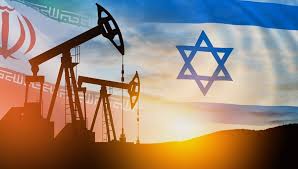
🛢️ Iran-Israel Conflict: Can India’s Strong Macros Withstand the Geopolitical Oil Shock?
The escalating Iran-Israel conflict has sent shockwaves through global markets, particularly spiking crude oil prices and reigniting concerns over Middle East stability. For a country like India — which imports over 85% of its crude oil requirements — the implications can be severe. But with robust macroeconomic fundamentals, can India ride out the storm?
Here’s a closer look.
🔍 The Geopolitical Context
As tensions intensify between Iran and Israel, the Strait of Hormuz — a vital oil shipping route — faces the risk of disruption. Global oil prices are already hovering near $95 per barrel, and further escalation could push prices well above $100. The impact could ripple across:
Import bills
Fiscal deficit
Inflation
Rupee exchange rate
Current account deficit
📊 India’s Macro Strengths: The Buffer Zone
Despite external pressure, India’s economy remains equipped with some shock absorbers:
✅ 1. Strong Forex Reserves
India holds over $645 billion in foreign exchange reserves, providing critical cover for imports and managing currency volatility.
✅ 2. Moderating Inflation
Retail inflation, although mildly sticky due to food prices, has remained within the RBI's tolerance band (4-6%). Core inflation is showing signs of stability.
✅ 3. Controlled Fiscal Deficit
The government has managed to rein in fiscal spending, maintaining deficit projections at 5.1% of GDP for FY25 — which gives headroom for fuel subsidies or excise duty adjustments if needed.
✅ 4. Growth Momentum Intact
Despite external threats, GDP growth is expected to remain robust at 6.8–7% in FY25, led by domestic consumption, services, and infrastructure investment.
🛢️ Risks India Still Faces
While the macros are stable, India isn’t immune. Key vulnerabilities include:
High oil import dependence (85%+)
CAD (Current Account Deficit) pressure if oil prices stay elevated
Subsidy burden and excise revenue loss if fuel prices are cut
Rupee depreciation, making imports costlier
🧭 Policy Tools India May Use
Excise Duty Cuts to control fuel inflation
Buffer Stock Releases in case of energy shortages
Currency Intervention by RBI to stabilise the rupee
Diversification of Oil Sources from Middle East to Africa and the US
🧠 Expert View
Economists say India is better positioned than in previous oil crises thanks to prudent fiscal policy, digitisation-led revenue efficiency, and diversified foreign exchange reserves. However, prolonged conflict or a full-blown oil supply disruption could test these strengths.
❓ FAQ Section
Q1: How much oil does India import from the Middle East?
India sources nearly 60% of its crude oil from the Middle East, making it sensitive to conflicts in the region.
Q2: Will petrol and diesel prices rise in India?
If oil stays above $100 for long, fuel prices could rise unless the government cuts excise duties or offers subsidies.
Q3: Can India switch to other oil sources?
India has increased imports from Russia, the US, and Africa to reduce overdependence on the Middle East.
Q4: Will India’s rupee be affected?
Yes, a spike in oil prices could lead to rupee depreciation due to higher import bills.
Q5: Is India prepared for a long-term oil crisis?
India’s macro indicators are strong, but sustained conflict may require policy interventions such as subsidy support or forex management.
📌 Conclusion
The Iran-Israel conflict poses a real risk to global oil markets, but India’s resilient macroeconomic fundamentals offer a protective buffer — at least in the short term. However, policymakers must remain agile to mitigate the risks of prolonged geopolitical volatility.
www.vizzve.com || www.vizzveservices.com
Follow us on social media: Facebook || Linkedin || Instagram
Reported by Benny on June 18, 2025.