

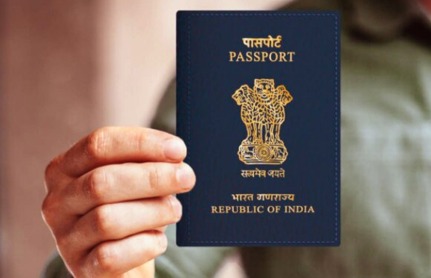
In a significant diplomatic move, Iran has announced the suspension of visa-free entry for Indian citizens holding ordinary passports. The decision follows concerns raised by Iranian authorities regarding human trafficking cases involving Indian nationals. Under the new directive, Indian travellers will now require a visa both for entry and transit through Iran, marking a major change in bilateral travel protocols.
What this means for Indian Travellers
Indian passport holders can no longer enter Iran without a visa — even for transit stops.
Travel agencies and airlines must adjust schedules, paperwork, and ticketing to reflect this new requirement.
Travellers must apply for the appropriate entry or transit visa in advance, fulfilling documentation, interview and fee protocols.
This change may impact travel itineraries that used Iran as a low-cost transit hub.
Why the change was made
The Iranian government cited human-trafficking concerns as the primary reason for withdrawing visa-free status. According to the statement, irregular migration routes and non-jurisdictional employment arrangements have placed pressure on Iranian immigration and law-enforcement agencies.
India-Iran bilateral discussions are expected to follow, focusing on mitigating trafficking risks and resuming smoother travel flows in future.
Impact on Travel & Logistics
Travel agencies need to update packages, transit routes, and advisory notes for Indian travellers.
Students, business travellers and tourists must now plan for extended visa processing time and possible additional costs.
Airlines and logistics providers should verify visa statuses at the booking stage to avoid last-minute denial.
For Indian nationals already in Iran or en-route, it is important to check status, contact local Indian mission for guidance, and comply with the new regulations.
What Travellers Should Do Next
Confirm whether your itinerary includes Iran for either entry or transit — if yes, apply for a visa in advance.
Monitor updates from the Indian embassy and Iranian immigration authorities regarding any transitional arrangements.
Consider alternative transit routes (e.g., through Gulf, Turkey, UAE) if Iran processing timelines seem cumbersome.
Travel with valid documentation, and avoid using informal employment contracts or unverified migration routes.
Wider Diplomatic Implications
The move may lead to a short-term dip in India-Iran passenger flows and transit tourism, but both countries benefit from strong diplomatic, economic, energy and cultural ties. Future negotiations may focus on recalibrating visa policies, enhancing migration-control frameworks, and establishing trusted traveller programmes.
❓ Frequently Asked Questions (FAQs)
Q1. Does this affect all Indian citizens?
Yes — the new visa policy applies to all Indian citizens holding ordinary passports.
Q2. Do business or diplomatic passport holders face the same restriction?
The current directive covers ordinary passports; diplomatic or official passports may remain under separate protocols — travellers should check latest formal notifications.
Q3. If I am in Iran on transit, what changes?
You will now require a transit visa instead of entering under “visa-free” rules.
Q4. Why did Iran take this step?
Iran cited concerns about human-trafficking routes and migration irregularities involving Indian nationals.
Q5. How should Indian travellers prepare?
Ensure you obtain a visa ahead of travel, review itinerary for Iran layovers, and allow extra processing time.
Published on : 18th November
Published by : SMITA
www.vizzve.com || www.vizzveservices.com
Follow us on social media: Facebook || Linkedin || Instagram
🛡 Powered by Vizzve Financial
RBI-Registered Loan Partner | 10 Lakh+ Customers | ₹600 Cr+ Disbursed
SOURCE CREDIT :Report by Express News Service