

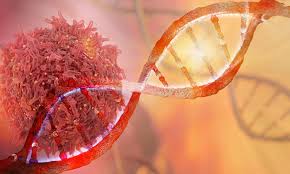
Cancer is a complex disease that develops when cells grow uncontrollably. A common question is: is cancer primarily genetic? Research shows that yes — genetics play a central role — but they are often not the whole story. Environmental exposures, chance (random mutations), and inherited predispositions all contribute. Scientists are uncovering how much genetics factor, which genetic variants matter most, and how these insights are shaping risk prediction and treatment.
What “Genetic Disease” Means in the Context of Cancer
Somatic Mutations: DNA changes acquired during a person’s lifetime (e.g. due to UV exposure, chemicals, smoking). They are not inherited. Many cancers are caused by such mutations.
Germline (Inherited) Variants: Genetic changes you inherit from your parents, present in every cell. Some of these increase risk for certain cancers.
Driver vs Passenger Mutations: Not all mutations are equal. “Driver” mutations directly promote cancer growth; “passenger” ones are incidental or less harmful. New research focuses on identifying which inherited mutations act as drivers.
Key Insights from Recent Research
Inherited Genetic Variants and Risk
Large studies of thousands of genetic variants across common cancers have narrowed down the most significant ones that elevate cancer risk. Research on pediatric cancers has also found that certain inherited structural variants from parents increase risk several-fold.
Inherited vs Acquired Mutations
While inherited variants can set the stage for elevated risk, most cancers arise because of acquired (somatic) mutations over time — often from exposure to carcinogens, lifestyle factors, or random errors during cell division.
Penetrance & Risk Magnitude
Having a high-risk genetic variant (for example in the BRCA1/2 genes) doesn’t guarantee cancer — it increases likelihood. Penetrance (i.e. how frequently someone with the variant develops cancer) varies. Some recent studies classified thousands of variants of the BRCA2 gene by risk level, helping people understand which variants are truly dangerous.
Germline Variants Influence Tumor Behavior
Research shows inherited germline variants influence not just whether cancer happens, but also how cancer behaves — such as how aggressive it is and how it responds to treatment.
Role of Epigenetics & Non-Genetic Factors
Scientists are increasingly studying how non-genetic factors (like chemical exposures, metabolic state, lifestyle) trigger or interact with genetic changes. Some findings suggest that cancer can begin from epigenetic dysregulation alone, meaning changes in gene expression (not actual DNA sequence) can sometimes be sufficient to initiate tumors.
So, Is Cancer a Genetic Disease?
Short answer: Yes — cancer involves genetic changes. But the picture is layered:
Only about 5–10% of cancers are due to strong inherited mutations.
Most cancers are due to somatic mutations acquired over a lifetime.
Many inherited variants increase risk but do not guarantee cancer.
Environmental, metabolic, and epigenetic factors play big roles in whether mutations lead to disease.
The genetic background of a person also influences how cancer starts, progresses, and responds to therapy.
Implications of This Understanding
Risk Prediction & Screening: Knowing inherited high-risk genes (like BRCA1, BRCA2) plus a person’s germline variant load can help tailor screening efforts.
Targeted Therapies: Understanding driver mutations in tumors can lead to treatments targeted to specific genetic changes.
Prevention: Because many cancers aren’t guaranteed by having a risky gene, lifestyle changes, reducing exposures (e.g. smoking, UV), and even monitoring of metabolic and epigenetic health can help prevent cancer.
Personalized Medicine: Future cancer treatment plans may consider both the inherited genetic background and the specific mutations in the tumor.
❓ Frequently Asked Questions (FAQ)
1. Does having a cancer gene mutation mean I will definitely get cancer?
No. Having a harmful gene mutation increases your risk but does not guarantee you will develop cancer. Other factors (environment, lifestyle, epigenetics) also matter.
2. Which cancers are most often linked to inherited genes?
Breast, ovarian, prostate, pancreatic cancers are notable. Some pediatric cancers also have a strong inherited or germline component.
3. What percentage of cancers are hereditary?
Roughly 5–10%. The majority are due to somatic mutations and environmental factors.
4. What are epigenetic changes?
They are changes that affect how genes are turned on or off without changing the DNA code itself — e.g. methylation, histone modification. These can contribute to cancer even without inherited or acquired DNA sequence mutations.
5. Can we test for inherited cancer risk?
Yes. Genetic testing (for known high-risk genes or family mutations) and screening can identify increased risk. But such tests often come with considerations: cost, ethical implications, psychological impact, and what actions can be taken based on results.
Conclusion
Cancer is a genetic disease in that DNA mutations (both inherited and acquired) lie at its core. But genetics are just one part of a broader landscape. Environmental factors, lifestyle, metabolic state, and epigenetics all interact with genetic risk. Latest research is showing more precisely which inherited variants matter, how they shape tumor behavior, and where prevention, screening, and therapy can be more personalized.
Armed with this understanding, both individuals and healthcare systems can move towards early detection, smarter risk assessment, and more effective interventions.
Published on : 16th September
Published by : SMITA
www.vizzve.com || www.vizzveservices.com
Follow us on social media: Facebook || Linkedin || Instagram
🛡 Powered by Vizzve Financial
RBI-Registered Loan Partner | 10 Lakh+ Customers | ₹600 Cr+ Disbursed
https://play.google.com/store/apps/details?id=com.vizzve_micro_seva&pcampaignid=web_share