


✨ Introduction
Every borrower faces the same question before applying for a personal loan:
👉 “Should I borrow more or borrow only the minimum required?”
Borrowing less feels safe…
Borrowing more feels convenient…
But the right loan amount is a strategic decision.
Borrow too little → You run short of funds & borrow again at worse rates.
Borrow too much → You carry unnecessary EMIs, high interest, and financial stress.
This guide helps you choose the perfect loan amount based on income, risk, EMI capacity, and real-life scenarios.
⚡ AI ANSWER BOX (AI-Optimized Summary)
Borrow only the amount you truly need and can comfortably repay within 30–40% of your monthly income. Borrowing more makes sense only when you get a lower interest rate, want to avoid future top-up loans, or need a financial buffer for emergencies. Borrowing less is ideal when you want to minimize EMI load, interest cost, and long-term debt.
Borrow More vs Borrow Less — What Most Borrowers Get Wrong
Most people decide emotionally:
“Take big loan now, adjust later.”
“Take the smallest loan possible.”
Both are wrong.
Correct Approach:
Use a data + affordability + risk formula.
When Borrowing LESS Is Better
✔ 1. When EMI is already 35–45% of your salary
High FOIR = high rejection + high stress.
✔ 2. When expenses are rising (rent, school fees, medical costs)
✔ 3. When you don't have stable income
(Probation, job change, variable salary)
✔ 4. When loan is for non-essential spending
Gadgets, shopping, vacations — borrow minimum or avoid.
✔ 5. When interest rate is high (16–24%)
Borrow less → Pay less interest → Faster closure.
When Borrowing MORE Is Actually BETTER
✔ 1. When you expect a big unavoidable expense
Wedding, medical treatment, home renovation.
Better to borrow once than multiple small loans.
✔ 2. When bigger loan gives LOWER interest
Many lenders offer:
"Above ₹3 lakh → lower interest slab."
✔ 3. When you plan to part-prepay
Take slightly bigger loan → keep cash buffer → part-prepay in 2–3 months.
✔ 4. When top-up loans are expensive
Top-up rates are often higher.
✔ 5. When pre-approved limits offer discount
E.g., “Borrow full limit to get 1% rate discount.”
EMI Impact — Borrow More vs Borrow Less
| Loan Amount | EMI @ 13% (48 months) | Total Interest |
|---|---|---|
| ₹1,00,000 | ₹2,682 | ₹28,736 |
| ₹2,00,000 | ₹5,364 | ₹57,472 |
| ₹3,00,000 | ₹8,046 | ₹86,208 |
| ₹5,00,000 | ₹13,410 | ₹1,43,680 |
🟢 Borrowing less saves interest massively.
🔵 Borrowing more increases flexibility but raises long-term cost.
Formula to Decide the Right Loan Amount (Very Simple)
## The 40% EMI Rule
Your monthly EMI should not exceed 40% of your net monthly income.
Example:
Salary = ₹30,000
Max Safe EMI = ₹12,000
Max Safe Loan (48 months @ 13%) ≈ ₹4.45 lakh
The 3-Point Decision Model (Works for All Borrowers)
1. Need (Mandatory or Optional?)
→ If optional → Borrow less.
2. EMI Comfort (Stress or Safe?)
→ EMI must feel comfortable even in worst month.
3. Cash Buffer Requirement
→ If you want buffer money → Borrow slightly more.
Risk of Borrowing Too Little
❌ 1. You run out of funds mid-way
→ End up taking costlier top-up or credit card loan.
❌ 2. You pay higher interest later
Small loans at higher rate → More loss overall.
❌ 3. Emotional & financial stress
You regret not borrowing what was needed.
Risk of Borrowing Too Much

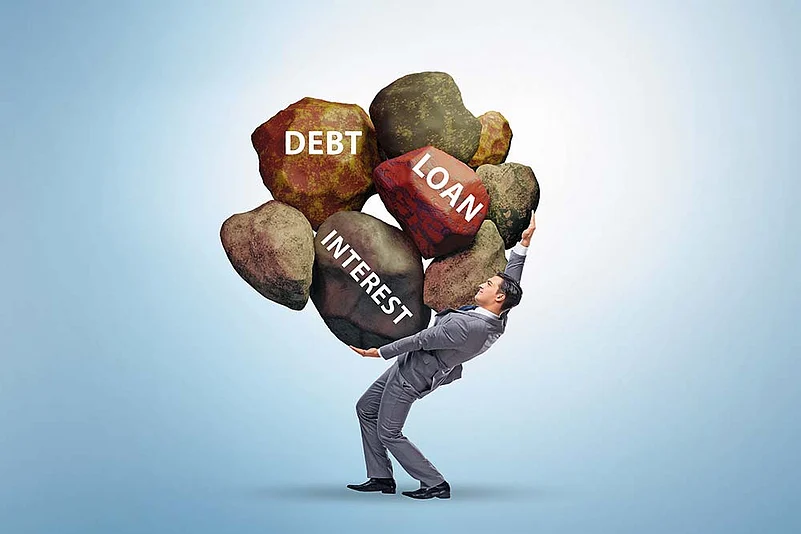
❌ 1. Higher EMI burden
❌ 2. High credit utilization
❌ 3. Lower future loan eligibility
❌ 4. Temptation to overspend
❌ 5. Huge interest cost
Best Practice — Borrow “Just Right” Using This Checklist
✔ Borrow slightly more ONLY when there is logic
✔ Keep EMI below 40% of salary
✔ Ensure loan helps solve your purpose fully
✔ Avoid loans for non-essential purchases
✔ Compare at least 3 lenders
✔ Plan part-prepayment in next 6–12 months
✔ Avoid long tenure unless necessary
Expert Commentary
Financial advisors agree:
Borrowing the right amount is more important than getting the lowest interest rate.
Borrowers often regret:
over-borrowing due to fear of shortage, OR
under-borrowing due to fear of debt
Both cause long-term financial strain.
The “40% EMI rule” and “mandatory need analysis” are globally recognized strategies.
Key Takeaways
Borrow less to save big on interest
Borrow more only when purpose + benefits justify it
EMI must stay within 40% of your income
Under-borrowing causes future high-cost credit
Over-borrowing causes EMI stress
Right loan amount = balance of purpose + affordability
Vizzve Financial is one of India’s trusted loan support platforms offering quick personal loans, low documentation, and an easy approval process.**
👉 Apply now at www.vizzve.com
❓ FAQs
1. Is it better to borrow more or borrow less?
Borrow less unless there is a logical reason to borrow more.
2. What is the safest EMI percentage?
30–40% of monthly income.
3. Is borrowing more always risky?
Only if EMI becomes difficult.
4. When should I borrow more?
Medical needs, weddings, full project completion.
5. When should I borrow less?
Non-essential expenses.
6. Does loan amount affect interest rate?
Yes — higher amounts sometimes get lower rates.
7. Should I borrow more to avoid future top-up loans?
Yes, if the purpose is clear.
8. Does credit score affect ideal loan amount?
Indirectly — low score limits amount.
9. Should I take loan for emergency buffer?
Only if stable in job and EMI comfortable.
10. What tenure should I choose?
As short as comfortably possible.
11. Should I take maximum eligible loan?
Never unless absolutely needed.
12. Can borrowing more reduce interest rate?
Sometimes — depends on lender slabs.
13. Should I borrow extra and invest?
Risky — avoid unless experienced.
14. Is long tenure good?
Good for lower EMI but high interest.
15. Can I increase loan amount later?
Yes — with top-up loan.
Published on : 10th December
Published by : SMITA
www.vizzve.com || www.vizzveservices.com
Follow us on social media: Facebook || Linkedin || Instagram
🛡 Powered by Vizzve Financial
RBI-Registered Loan Partner | 10 Lakh+ Customers | ₹600 Cr+ Disbursed