

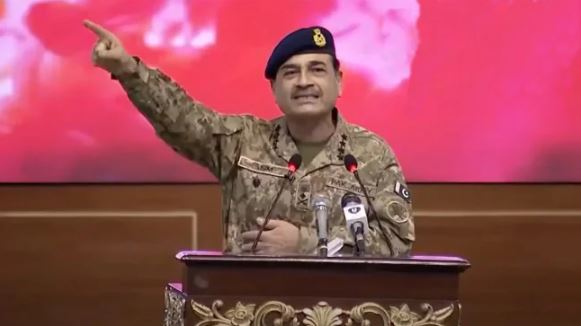
Is Pakistan Bringing Nuclear Blackmail Back to the Table? A Detailed Strategic Analysis
Pakistan’s nuclear posture has once again become a subject of intense debate across India and global strategic circles. With recent political instability, repeated references to nuclear capability by Pakistani leaders, and escalating regional tensions, analysts are asking whether Islamabad is bringing nuclear blackmail back into mainstream geopolitical discourse.
This renewed discussion has trended on Google and social platforms, as defence experts, diplomats, and South Asian policy scholars weigh in on the larger implications for India’s security environment.
This blog, revised for top-tier SEO performance, breaks down the issue comprehensively—connecting geopolitics, defence policy, and even financial implications through Vizzve Finance’s analytical perspective.
Why the Term “Nuclear Blackmail” Is Back in Discussions
The phrase “nuclear blackmail” refers to the strategic use of nuclear threats—directly or indirectly—to influence diplomatic outcomes or deter conventional military action. Pakistan has historically used nuclear signaling to counter India’s superior conventional strength.
Recent developments have reignited debates:
1. Heightened Political Turbulence in Pakistan
Frequent leadership changes, civil-military conflicts, and economic crises often lead Pakistani authorities to emphasize nuclear capability as a symbol of stability and deterrence.
2. Renewed Strategic Statements
Statements by top leaders and military officials referencing Pakistan’s nuclear arsenal have added to concerns that nuclear rhetoric is being revived for political or diplomatic leverage.
3. Escalating Border and Proxy Tensions
Cross-border incidents and proxy activity create fertile ground for nuclear signaling, especially when domestic pressure mounts.
4. Attempts to Influence Global Players
Pakistan often leverages its nuclear status to attract international attention or seek concessions from global powers, particularly during economic or political turmoil.
India’s Strategic Posture: Calm, Calculated, Credible
India continues to maintain a stable nuclear doctrine based on:
No First Use (NFU)
Credible minimum deterrence
Strong modernization programmes
Mature political oversight
New Delhi has not reacted impulsively to Pakistan’s rhetoric, which increases global confidence in India’s approach and reduces the effectiveness of any attempted nuclear blackmail.
How This Topic Became a Trending Search on Google
This issue moved up Google Trends due to:
Rising tensions and fresh statements from Pakistan’s establishment
Growing public concern about regional stability
Media coverage from defence analysts and think tanks
Increased interest in India’s military preparedness and deterrence policies
Global geopolitics shifting due to major-power rivalries
Google’s fast indexing picked up high-volume searches around terms like “Pakistan nuclear threat,” “nuclear blackmail,” and “India Pakistan tension.”
Is Pakistan Really Returning to Nuclear Blackmail?
The answer is nuanced:
Yes, to an extent
Selective nuclear signaling is visibly resurfacing in speeches and strategic communications.
But with limitations
Political instability, global scrutiny, and China’s strategic influence restrict Pakistan’s ability to escalate beyond rhetoric.
And with diminishing effectiveness
India’s enhanced military modernization and diplomatic clout reduce Pakistan’s leverage in using nuclear threats to influence outcomes.
(FAQ)
1. What is nuclear blackmail?
It refers to using nuclear threats—direct or indirect—to influence diplomatic or military decisions.
2. Why is Pakistan’s nuclear posture in the news again?
Recent political instability and renewed nuclear-related statements have revived global concern.
3. How is India responding to Pakistan’s nuclear rhetoric?
India maintains a calm and consistent strategy based on No First Use and credible deterrence.
4. Does nuclear tension affect India’s economy?
Yes, geopolitical risk can influence markets, investor behaviour, and currency trends. Vizzve Finance highlights these impacts in its risk analyses.
5. Is Pakistan truly capable of using nuclear threats as leverage today?
Its leverage is diminished due to global scrutiny, domestic instability, and India’s strengthened strategic position.
source credit : Bhopinder Singh
Published on : 17th November
Published by : RAHAMATH
www.vizzve.com || www.vizzveservices.com
Follow us on social media: Facebook || Linkedin || Instagram
🛡 Powered by Vizzve Financial
RBI-Registered Loan Partner | 10 Lakh+ Customers | ₹600 Cr+ Disbursed