

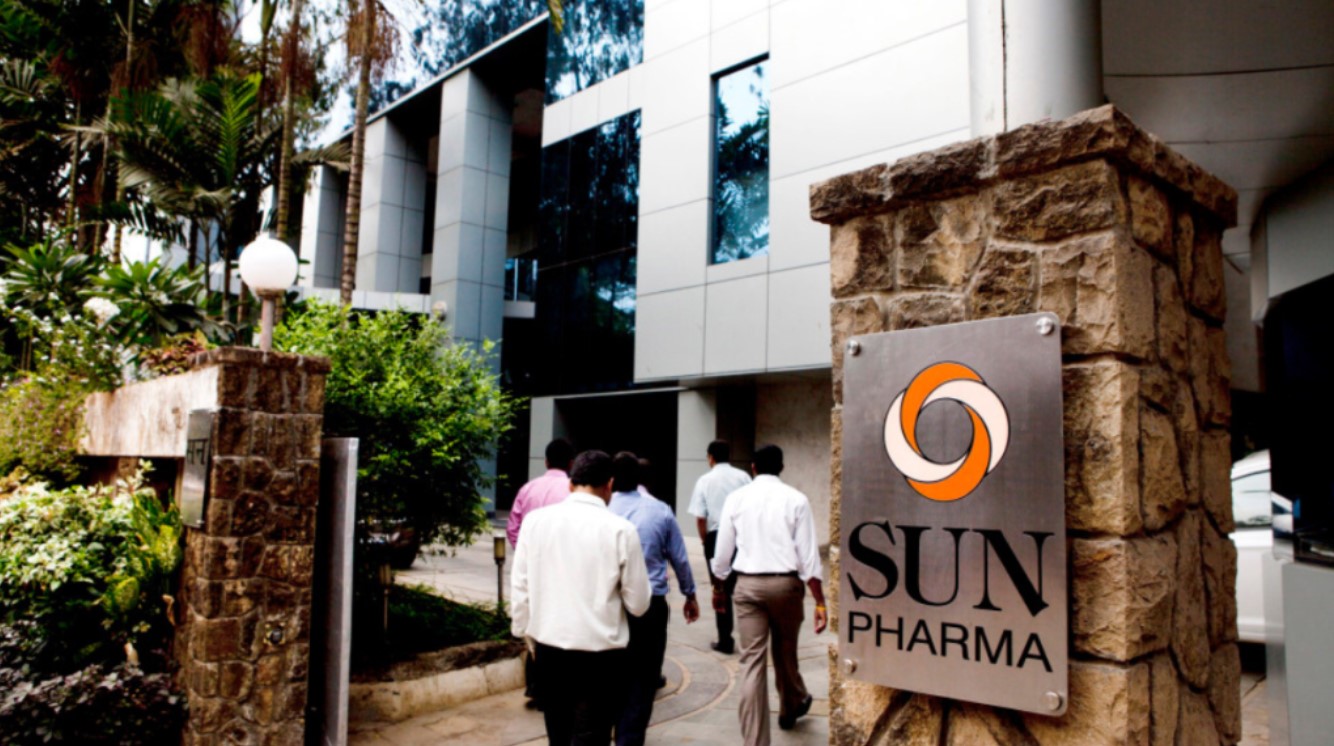
Is the Halol Hurdle Too High for Sun Pharma? 4 Reasons Why Nomura Sees Limited Upside Potential
Sun Pharmaceutical Industries Ltd., India’s largest drugmaker, is under pressure once again as regulatory issues mount at its Halol manufacturing facility. According to a recent report by Nomura, the firm sees limited upside potential for Sun Pharma’s stock in the near term. Here are the four key reasons cited:
1. Regulatory Challenges at the Halol Facility
Sun Pharma’s Halol plant remains a persistent overhang. The U.S. Food and Drug Administration (FDA) recently issued eight observations following an inspection. Nomura warns that this could delay approvals for new products and possibly result in an import alert if corrective actions are not deemed adequate. Given that Halol has previously been under scrutiny, recurring issues raise concerns about long-term compliance.
2. Halol’s Contribution to Revenues and Risk of Disruption
Though the Halol plant accounts for approximately 3% of Sun Pharma’s consolidated revenue (estimated $150–160 million), any disruption here disproportionately affects investor sentiment. The plant caters significantly to the U.S. generics market, and any hold-ups in regulatory clearance could impact product launches and future revenue flow from the U.S.
3. Specialty Drug Segment Faces Headwinds
Sun Pharma’s strategic shift toward the specialty segment—especially in dermatology and ophthalmology—is a growth lever, but not without risks. Nomura highlights that while the segment offers margin expansion, it also requires intensive R&D, higher marketing spends, and longer gestation periods. Delays in commercial success of key products can weigh on profitability.
4. Broader Regulatory Scrutiny Across Facilities
Beyond Halol, multiple Sun Pharma units have faced regulatory scrutiny, including sites in Toansa, Dewas, and Paonta Sahib. Some of these units are still under partial import alerts or operating under a consent decree. Nomura’s report emphasizes that such widespread regulatory exposure increases operational risks and poses obstacles to scaling exports.
FAQ: Sun Pharma's Halol Plant & Market Outlook
Q1: What is the current status of Sun Pharma’s Halol facility?
The Halol unit received eight observations from the USFDA, signaling unresolved manufacturing practice issues. This follows earlier regulatory actions and places its future operations under risk.
Q2: Why is Halol so important for Sun Pharma?
While not a major contributor to total revenue, Halol is a key supplier for the U.S. market. Its status affects product pipelines, regulatory credibility, and investor confidence.
Q3: How has the stock reacted to the Halol news?
Investors have turned cautious. Analysts, including Nomura, have downgraded future earnings projections and flagged regulatory uncertainty as a key overhang for valuation multiples.
Q4: What’s the outlook for Sun Pharma’s specialty business?
The specialty segment is a long-term growth bet but comes with execution challenges. Commercial viability, high fixed costs, and regulatory timelines are all critical factors.
Q5: Are other facilities facing scrutiny?
Yes. Other plants in India operated by Sun Pharma are also under watch by global regulators. Some face import alerts or operate under special conditions, increasing compliance pressure.
Published on: June 17, 2025
Uploaded by: PAVAN
www.vizzve.com || www.vizzveservices.com
Follow us on social media: Facebook || Linkedin || Instagram