

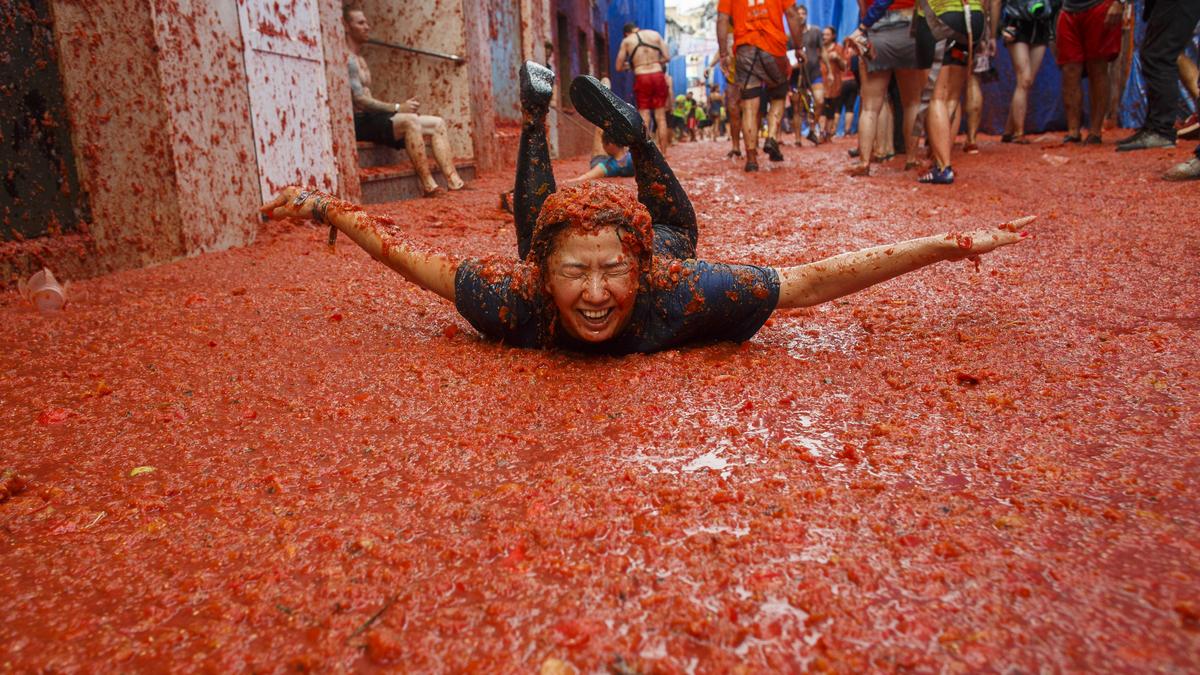
Is the La Tomatina Festival Really About Tomatoes? How Did It All Begin?
Every year, thousands gather in the small Spanish town of Buñol to engage in what looks like pure chaos—hurling over 100 tons of ripe tomatoes at each other. But is La Tomatina just about tomatoes, or is there more to this bizarre and beloved tradition?
The truth is, while tomatoes are certainly the highlight, La Tomatina's roots are more accidental than agricultural—and its story is one of spontaneity, community, and fun that has grown into a global symbol of revelry.
The Origins: A Fight That Sparked a Festival
The widely accepted origin of La Tomatina dates back to August 1945. During a local parade in Buñol, a street performer fell off a float, causing a young onlooker to react angrily and start a food fight using vegetables from a nearby market stall. Among the flying produce were tomatoes.
This impromptu scuffle amused locals so much that they repeated it the next year—and the year after that—until it became an unofficial town tradition.
Although the festival was banned for a period in the 1950s under General Franco’s regime, it was later reinstated due to popular demand, and by 1957, it was officially recognized—with rules in place.
So, Is It Really About Tomatoes?
Yes—and no.
While the central activity is a massive tomato fight, the festival represents something bigger than just the fruit:
A celebration of spontaneity and fun
A symbol of community unity
A release from structure and order—one day where rules are broken playfully
Today, La Tomatina has evolved into a cultural and tourist event, drawing people from around the world who come to experience this unique form of joyful mayhem.
Key Facts About La Tomatina
Location: Buñol, Spain
Date: Last Wednesday of August
Tomatoes used: Around 100–150 tons of overripe, inedible tomatoes
Rules include:
Only squashed tomatoes may be thrown
No tearing of clothing
Safety goggles recommended
Is There Any Meaning Behind the Tomatoes?
There’s no religious or agricultural symbolism behind the tomato itself. The fruit was chosen simply because it was soft, plentiful, and messy—perfect for a food fight.
Over the years, it became the signature element of the event. It’s not about celebrating the tomato crop—it’s about embracing chaos, laughter, and community spirit.
Impact on Tourism and Local Economy
Attracts 20,000+ visitors each year
Boosts Buñol’s hospitality and tourism sector
Inspired similar festivals worldwide, from Colombia to India
However, it has also raised concerns about food wastage, which the town addresses by using inedible or unsellable tomatoes sourced from local farms.
Frequently Asked Questions (FAQs)
Q1: When and where is La Tomatina held?
It’s held on the last Wednesday of August each year in Buñol, a town near Valencia, Spain.
Q2: How did La Tomatina start?
It began as an accidental food fight in 1945 during a local parade and became a tradition after repeated re-enactments.
Q3: Are the tomatoes used edible?
No, the tomatoes used are overripe and deemed unfit for consumption, often sourced from excess produce.
Q4: Is La Tomatina a religious festival?
No. It’s a secular, cultural celebration with no religious ties.
Q5: Can anyone participate?
Yes, but participants must buy tickets due to crowd control and safety regulations.
Published on: June 26, 2025
Uploaded by: PAVAN
www.vizzve.com || www.vizzveservices.com
Follow us on social media: Facebook || Linkedin || Instagram
🛡 Powered by Vizzve Financial
RBI-Registered Loan Partner | 10 Lakh+ Customers | ₹600 Cr+ Disbursed