

Israel has announced an escalation of its military operation in Gaza, signaling one of the most significant developments in the ongoing conflict with Hamas. The Israeli Defense Forces (IDF) have increased airstrikes targeting key Hamas infrastructure, including tunnel networks and suspected command centers, following a series of rocket attacks into southern Israel.
This latest move comes amid rising regional instability and international calls for a ceasefire. The operation marks a sharp escalation in what has been a long-running, deeply rooted conflict in the region.
Key Highlights of the Escalation:
-
IDF Airstrikes Intensify: Over 150 targets hit in a span of 48 hours, including what Israel claims are weapons storage facilities.
-
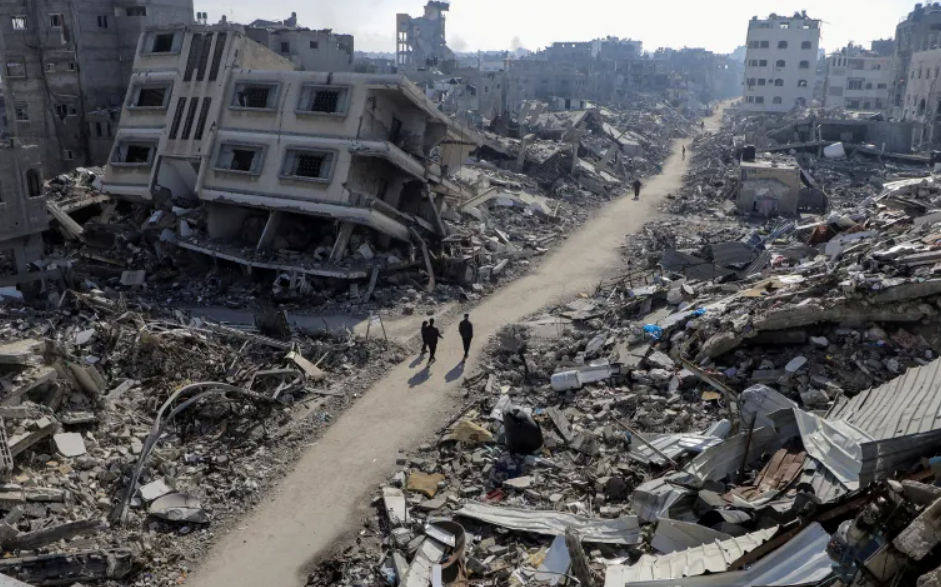
Civilian Impact: Reports indicate mounting casualties and displacement among Gaza’s civilian population.
-
Global Response: The UN and several countries, including the US and EU members, have urged restraint and dialogue.
-
Hamas Retaliation: Hamas continues to fire rockets into Israeli territories, heightening security concerns.
What’s Driving the Escalation?
Several geopolitical and local factors are contributing to the rising tensions:
-
Recent clashes at the Al-Aqsa Mosque in Jerusalem
-
Political instability in both Israeli and Palestinian leadership
-
Long-standing territorial disputes and humanitarian conditions in Gaza
Humanitarian Concerns
The humanitarian situation in Gaza is rapidly deteriorating. International NGOs report shortages of medical supplies, food, and water. The UN has called for the opening of humanitarian corridors to allow for the safe passage of aid.
What This Means for the Region
This escalation risks drawing in neighboring countries and disrupting fragile alliances. Analysts warn that without swift diplomatic intervention, the conflict could expand, impacting oil markets, migration trends, and regional stability.
Frequently Asked Questions (FAQ)
1. Why has Israel intensified its operation in Gaza?
Israel claims the escalation is a direct response to ongoing rocket attacks from Hamas and intelligence indicating increased militant activity in Gaza.
2. What is the international community doing to stop the conflict?
The United Nations and several Western nations have called for an immediate ceasefire and are pushing for renewed peace talks. Humanitarian aid is also being mobilized.
3. How are civilians in Gaza affected?
Thousands of civilians have been displaced, and essential infrastructure, including hospitals and schools, has been damaged. Access to food, water, and electricity remains severely limited.
4. Is this part of a larger Middle East conflict?
Yes. The Israel-Gaza conflict is part of broader regional tensions involving Iran, Lebanon, and other actors. It reflects deeper political, religious, and territorial divisions.
5. What can be done to help?
Supporting verified humanitarian organizations and raising awareness about the crisis are key. Advocating for peaceful diplomatic resolutions can also contribute to long-term stability.
Updated: May 17, 2025 By : Abhishek Rana