

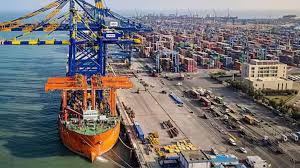
🚢 Israel-Iran Conflict Raises Alarm Among Exporters Over Soaring Logistics Costs
As tensions escalate between Israel and Iran, exporters across the globe—especially in Asia and Europe—are voicing growing concern about sharp increases in logistics and shipping costs. The conflict has already begun to disrupt key maritime routes, particularly those passing through the Suez Canal, Strait of Hormuz, and the Red Sea.
📉 Supply Chains Under Pressure
Exporters fear a repeat of past global crises like the Red Sea attacks by the Houthis and the Russia-Ukraine war, both of which triggered supply chain chaos and freight cost spikes.
According to industry insiders:
“Any escalation in the Middle East adds pressure to international shipping routes. Insurance premiums, freight charges, and fuel costs all increase dramatically.”
🔍 What’s Driving the Cost Surge?
Route Diversions: Ships avoiding risk zones may take longer routes, e.g., around Africa.
Insurance Premium Hikes: War-risk premiums spike due to conflict proximity.
Fuel Price Volatility: Any regional conflict in oil-rich areas impacts bunker fuel rates.
Port Delays: Middle Eastern ports face longer clearance and inspection times.
Container Scarcity: Higher demand and delays reduce container availability.
🌐 Who's Most Affected?
Indian, Chinese & Southeast Asian exporters to Europe via the Suez Canal.
European importers relying on Asian manufacturers.
Oil and commodity traders experiencing longer transit times and reduced margins.
Small and mid-sized exporters facing squeezed profit margins due to non-negotiable freight contracts.
📊 Industry Data Highlights
Freight rates for key sectors have risen 12–18% over the last two weeks.
Insurance premiums have doubled on some high-risk lanes.
The World Trade Organization (WTO) warns of “logistics turbulence” if conflict continues.
🌍 Global Trade at a Tipping Point
While major players like Maersk, MSC, and CMA CGM are rerouting vessels, governments are assessing trade continuity plans. Export promotion councils have urged the Indian government to consider subsidies or export credit support if the crisis persists.
A senior logistics executive said:
“If the Israel-Iran war escalates, we may see a freight crisis worse than COVID-era supply chain breakdowns.”
❓ FAQs – Impact of Israel-Iran War on Exporters and Logistics
Q1. Why are exporters worried about the Israel-Iran war?
Because it threatens crucial shipping lanes, causing delays and rising freight, insurance, and fuel costs.
Q2. Which sectors are most at risk?
Textiles, pharmaceuticals, electronics, machinery, and commodities like oil and metals are vulnerable due to extended delivery timelines and rising freight costs.
Q3. What alternative shipping routes are available?
Ships may reroute via the Cape of Good Hope, which adds 10–14 days to transit times and increases operating costs significantly.
Q4. How are governments responding?
Export councils are in touch with trade ministries to assess impact. Risk alerts and trade advisories are being issued.
Q5. Will logistics costs return to normal soon?
That depends on the duration and intensity of the conflict. Short-term costs are likely to stay elevated.
🚨 Conclusion
As the Israel-Iran war unfolds, it brings with it a new wave of uncertainty for global exporters. With logistics costs climbing, insurance premiums rising, and potential bottlenecks forming at global shipping arteries, businesses need to plan contingencies and stay informed.
If the situation persists, it could trigger a chain reaction across global supply chains, adding to inflation and delaying recovery in many export-heavy economies.
www.vizzve.com || www.vizzveservices.com
Follow us on social media: Facebook || Linkedin || Instagram