

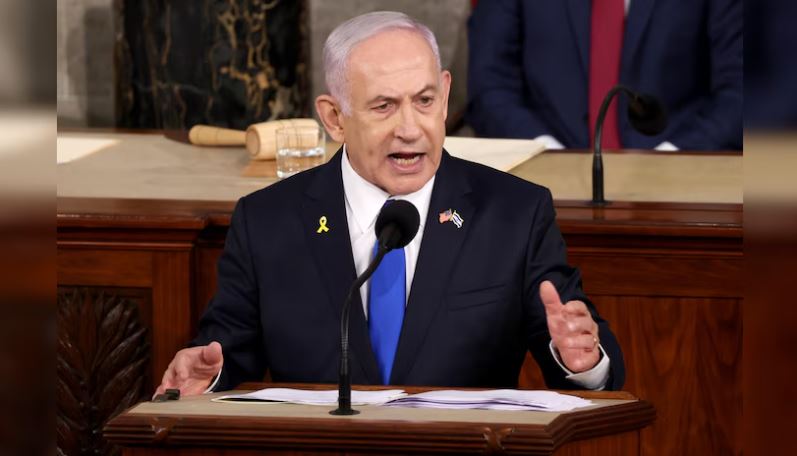
Tensions in the Middle East have reached a boiling point, as U.S. intelligence sources reveal that Israel is actively preparing for a potential military strike on Iran's nuclear infrastructure. The development follows years of suspicion and strained diplomacy surrounding Iran’s nuclear ambitions.
What U.S. Intelligence Reports Say
According to classified assessments shared with American allies, Israel's defense forces and intelligence units are preparing operational plans for targeting Iran’s nuclear facilities. The move comes as a preemptive strategy to prevent Iran from reaching the capability to build nuclear weapons.
Why Is Israel Concerned?
Israel has consistently viewed a nuclear-armed Iran as an existential threat. Despite the 2015 Joint Comprehensive Plan of Action (JCPOA), which was aimed at limiting Iran’s nuclear activity, Tehran has since resumed uranium enrichment beyond agreed levels following the U.S. withdrawal from the deal in 2018.
“We will not allow Iran to obtain nuclear weapons, not now and not ever,” Israeli officials have reiterated on multiple occasions.
Regional and Global Reactions
-
United States: While advocating diplomacy, the U.S. continues to support Israel’s right to self-defense. However, Washington is urging restraint to avoid full-scale regional conflict.
-
Iran: Iranian officials have warned of “severe retaliation” if their nuclear sites are attacked.
-
United Nations & Global Powers: Urging all parties to de-escalate, the UN has reiterated the importance of returning to diplomatic talks.
Military Exercises and Intelligence Sharing
Recent joint military drills between the U.S. and Israel—focused on long-range bombing capabilities and aerial refueling—have raised eyebrows, suggesting serious preparation for a potential strike scenario.
Meanwhile, cyber-intelligence and satellite surveillance indicate increased activity around key Iranian nuclear sites, including Natanz and Fordow.
FAQs: Israel’s Potential Strike on Iran’s Nuclear Sites
1. Why might Israel strike Iran’s nuclear facilities?
Israel fears that Iran is nearing the capability to build nuclear weapons. A preemptive strike is seen as a last resort to stop Iran’s nuclear progress.
2. What role does the U.S. play in this situation?
The U.S. is monitoring the situation closely and sharing intelligence with Israel. While advocating for diplomacy, it also backs Israel’s security interests in the region.
3. How has Iran responded to these developments?
Iran has warned of strong military retaliation and condemned any potential aggression as a violation of international law.
4. Could this lead to a wider Middle East war?
Yes, a military conflict between Israel and Iran could quickly escalate, drawing in regional players like Hezbollah, the Gulf States, and possibly global powers.
5. What is the international community doing to prevent conflict?
The UN, EU, and several countries are calling for renewed diplomatic talks, urging both sides to avoid unilateral military actions and return to the negotiation table.
Conclusion
The potential for an Israeli strike on Iran’s nuclear infrastructure has global implications—from regional stability to international nuclear non-proliferation efforts. As diplomatic options dwindle and military preparations intensify, the world watches closely for what could be a defining moment in Middle Eastern geopolitics.
Updated : May 21 2025 By : Abhishek Rana