

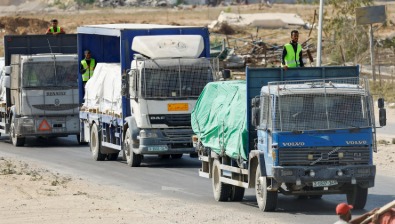
After days of escalating conflict, Israel has announced a resumption of the ceasefire in Gaza, allowing humanitarian aid deliveries to restart on Monday. The move comes amid international pressure to ensure the delivery of essential supplies to civilians affected by the conflict.
Authorities and aid organizations are coordinating to resume distribution of food, water, and medical supplies, aiming to address the urgent needs of the population.
Details of the Ceasefire
Ceasefire Announcement: Israel confirmed a temporary halt to military operations in Gaza.
Aid Delivery Schedule: Humanitarian convoys are set to restart on Monday, focusing on food, water, and medical assistance.
Affected Areas: All regions within Gaza, particularly areas hardest hit by the recent conflict.
International Coordination: United Nations agencies and NGOs are closely involved to ensure safe and timely delivery of supplies.
Current Situation in Gaza
Civilian Impact: Many residents face shortages of essentials, including water, food, and medicine.
Infrastructure Damage: Hospitals, schools, and housing have sustained significant damage during the clashes.
Security Measures: Authorities continue to monitor borders and checkpoints to prevent further escalation.
Statements from Authorities
Israel’s statement emphasized:
“The temporary ceasefire will allow humanitarian aid to reach civilians in Gaza. We remain committed to ensuring the safe passage of supplies while maintaining security measures.”
UN and aid agencies welcomed the development, stressing the need for continued monitoring and safe access to vulnerable populations.
FAQs
Q1: When will aid deliveries resume in Gaza?
Aid deliveries are scheduled to restart on Monday, following the ceasefire announcement.
Q2: What kind of aid will be delivered?
Humanitarian aid includes food, clean water, medical supplies, and essential daily necessities.
Q3: Is the ceasefire permanent?
Currently, it is a temporary ceasefire intended to allow humanitarian access; its continuation depends on diplomatic talks and security assessments.
Q4: Who is coordinating the aid deliveries?
Aid is being coordinated by UN agencies, NGOs, and local authorities, in collaboration with Israeli authorities.
Q5: How are civilians affected during the conflict?
Many face shortages of food, water, shelter, and medical care, with infrastructure and public services severely disrupted.
Conclusion
The resumption of the ceasefire in Gaza and the scheduled humanitarian aid deliveries on Monday offer a critical lifeline to affected civilians. While the situation remains fragile, these steps aim to mitigate suffering and ensure essential support reaches those in need.
Continued international attention and coordination will be essential to maintain peace, provide aid, and support recovery in the conflict-affected region.
Published on : 20th October
Published by : SMITA
www.vizzve.com || www.vizzveservices.com
Follow us on social media: Facebook || Linkedin || Instagram
🛡 Powered by Vizzve Financial
RBI-Registered Loan Partner | 10 Lakh+ Customers | ₹600 Cr+ Disbursed
https://play.google.com/store/apps/details?id=com.vizzve_micro_seva&pcampaignid=web_share