

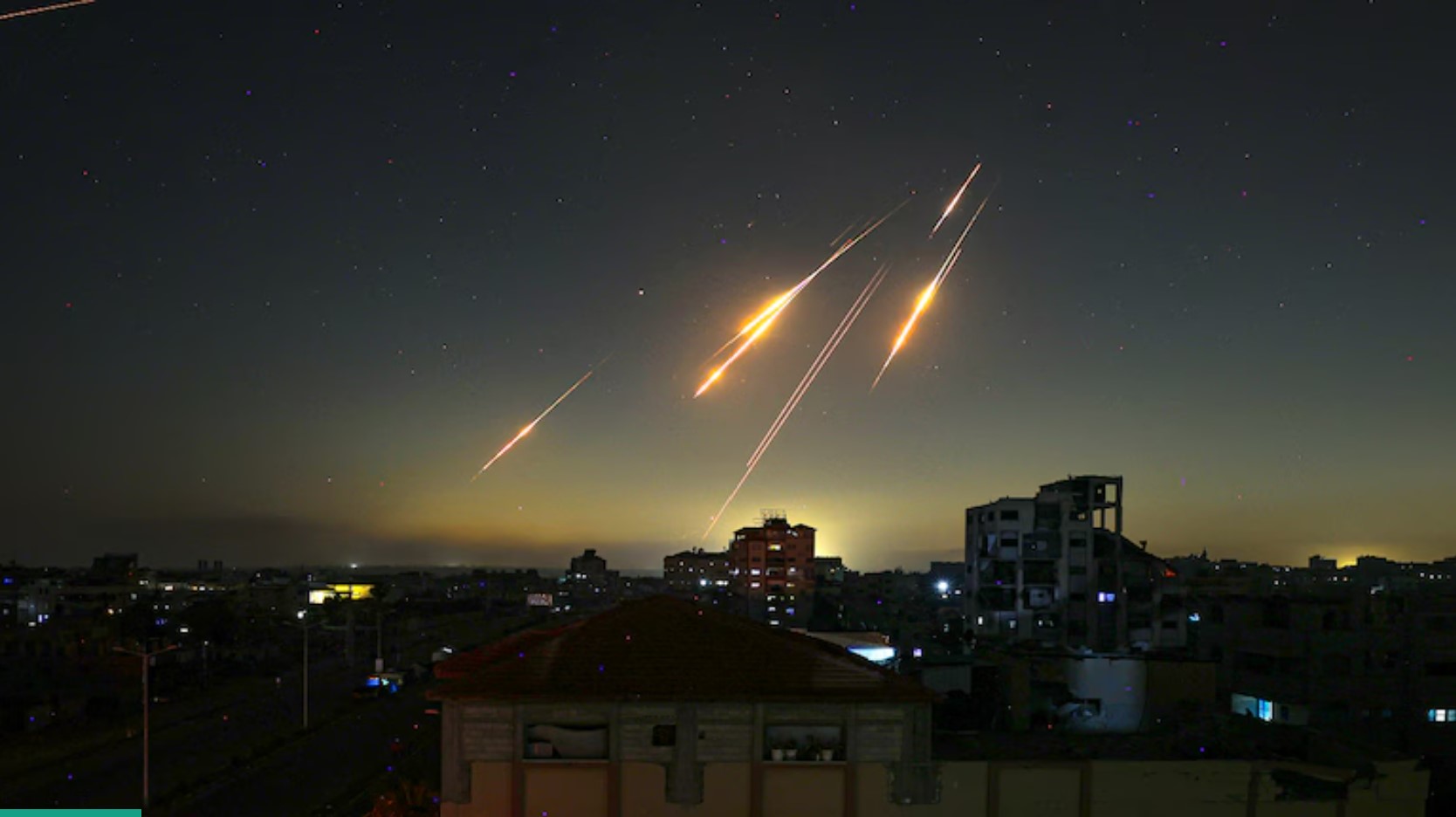
Israel's Stock Market Remains Resilient Amid Conflict with Iran, Benchmark Index TA-125 Rises 1%
Amid escalating tensions with Iran, Israel’s financial markets have shown unexpected strength. The TA-125, Israel’s key stock market benchmark, rose 1% despite geopolitical headwinds that might typically spook investors. This performance reflects a degree of market resilience, underpinned by strong domestic fundamentals and investor confidence.
Why the TA-125 Index Rose Despite Conflict
1. Market Pricing in Limited Escalation
Investors appear to be pricing in a limited or short-lived escalation of the Israel-Iran conflict. With no major disruption to economic activity or trade routes so far, market participants are taking a more measured approach.
2. Strong Domestic Fundamentals
Israel’s diversified economy, particularly its robust technology and financial sectors, continues to provide a stable foundation. Corporate earnings, especially from high-growth tech companies, remain resilient, attracting investor interest.
3. Central Bank Stability and Economic Outlook
The Bank of Israel has maintained monetary policy flexibility while offering forward guidance that reassures the financial community. The country’s inflation remains under control, and GDP forecasts remain optimistic despite regional challenges.
4. Global Risk Appetite and Sector Rotation
In the absence of broader global market panic, institutional investors may see Israel’s temporary dip as a buying opportunity—particularly in defensive sectors like healthcare, banking, and technology.
Sectors Leading the Gains
Technology: Israel’s booming tech sector continues to attract foreign and institutional capital.
Banking & Finance: Domestic banks are showing strong balance sheets and stable lending activity.
Defense & Cybersecurity: These sectors have gained attention amid the conflict, with increased investor interest in companies linked to national security.
FAQs – Israel Stock Market Amid Geopolitical Conflict
Q1: Why is the TA-125 index rising despite geopolitical risk?
Markets may be anticipating limited impact from the conflict, and investors are focusing on strong economic fundamentals and sector performance, especially in tech and defense.
Q2: What does the TA-125 index represent?
The TA-125 is Israel's benchmark stock market index, covering the 125 most actively traded companies listed on the Tel Aviv Stock Exchange.
Q3: Is it safe to invest in Israeli markets during conflict?
While geopolitical risks remain, many investors believe the market’s long-term fundamentals are strong. However, investors should assess their risk tolerance and diversify accordingly.
Q4: Which sectors in Israel are considered resilient during conflict?
Technology, defense, and banking are typically more resilient due to ongoing demand, government support, and innovation-driven growth.
Q5: How does regional conflict typically affect emerging markets?
Emerging markets can experience short-term volatility during geopolitical events, but long-term trends often revert to fundamentals once stability returns.
www.vizzve.com || www.vizzveservices.com
Follow us on social media: Facebook || Linkedin || Instagram