

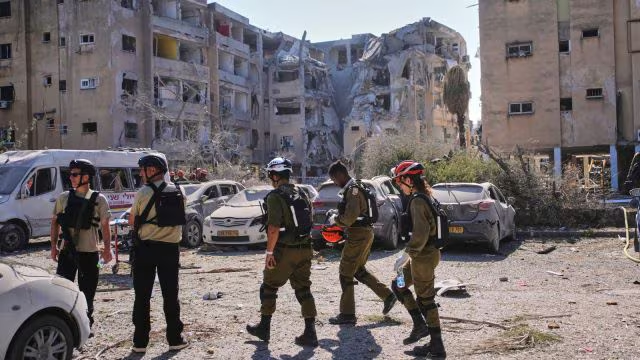
Israel Strikes Iranian Nuclear Facilities at Arak and Natanz; Iran Retaliates with Missile Attack on Israeli Hospital
Date: June 19, 2025
In a dramatic escalation of the long-simmering tensions between Israel and Iran, Israeli forces conducted precision airstrikes on Iran’s critical nuclear infrastructure, targeting the Arak heavy water reactor and the Natanz uranium enrichment facility. Both sites play significant roles in Iran’s nuclear development program.
Hours later, Iran retaliated with a barrage of ballistic missiles aimed at civilian and strategic locations within Israel. One missile struck Soroka Medical Center in Beersheba, causing injuries and raising international alarms about the targeting of civilian infrastructure.
Overview of Events
✅ Israeli Airstrikes:
Targets: Arak heavy water reactor and Natanz enrichment site.
Purpose: According to Israeli officials, the strike aimed to degrade Iran’s nuclear capabilities.
Damage Reported: Iranian state media confirmed damage but denied any radiation leaks or casualties at the nuclear sites.
✅ Iranian Retaliation:
Target: Soroka Medical Center in Beersheba.
Casualties: At least 40 injured, including medical personnel and patients.
Official Statement: Iran called the missile strikes a “measured response to Israeli aggression.”
Strategic Implications
These developments mark a significant turn in Middle East geopolitics. The targeting of nuclear sites by Israel indicates a preemptive strategy to halt Iran’s nuclear ambitions. Conversely, Iran’s response, striking a civilian medical facility, is likely to intensify international scrutiny and could border on violations of humanitarian law.
International leaders have called for restraint, but both countries remain on high alert. Diplomatic channels remain active, although the risk of a wider regional conflict has increased substantially.
FAQ – Israel–Iran Conflict Escalation
Q1: Why did Israel strike the Arak and Natanz facilities?
Israel views Iran's advancing nuclear capabilities as an existential threat and struck to delay or dismantle parts of its enrichment and plutonium production programs.
Q2: What is the global reaction to these strikes?
World leaders, including those from the U.S. and Europe, have urged both countries to de-escalate. There is widespread concern over rising oil prices and humanitarian impact.
Q3: How severe was Iran’s retaliation?
Iran launched multiple missiles. The most serious hit occurred at Soroka Medical Center, resulting in dozens of injuries and damage to critical healthcare infrastructure.
Q4: Is this likely to escalate into a regional war?
While escalation remains a concern, diplomatic channels are currently open. However, if further civilian targets are attacked, regional powers may be drawn in.
Q5: Are more Israeli strikes expected?
Israeli defense officials have stated they are prepared for continued operations if Iran persists in hostile actions, suggesting the situation remains fluid.
Published on : JUNE 19, 2025
Uploaded by : MANJULA
www.vizzve.com || www.vizzveservices.com
Follow us on social media: Facebook || Linkedin || Instagram