

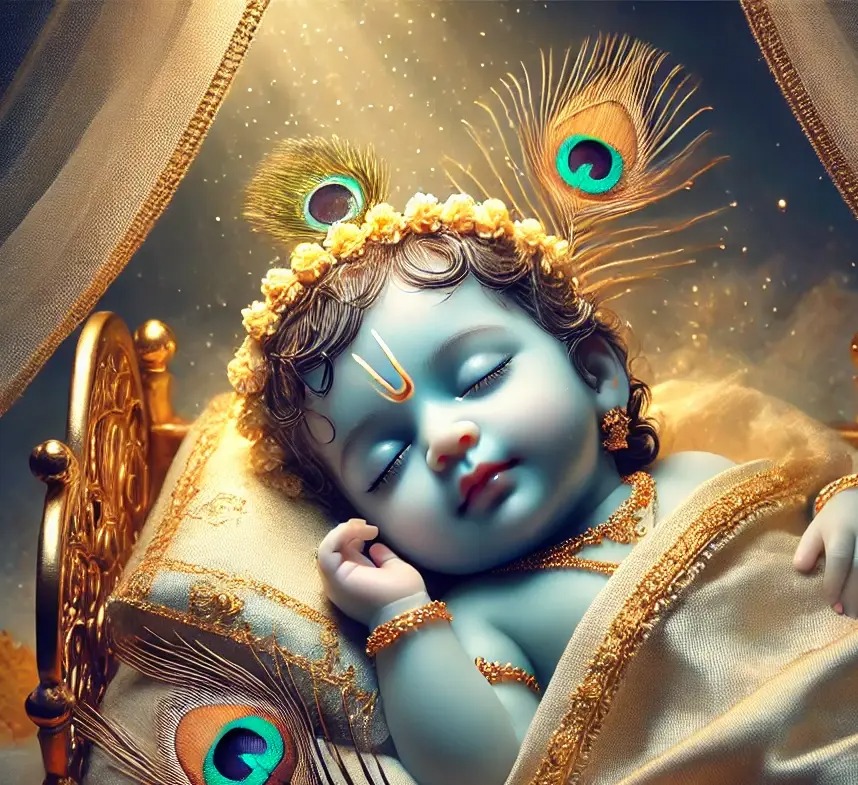
Janmashtami, also known as Krishna Janmashtami or Gokulashtami, is one of the most celebrated Hindu festivals across India and the world. It marks the birth of Lord Krishna, the eighth avatar of Lord Vishnu, who is revered as the preserver of the universe. Celebrated with devotion, music, dance, fasting, and prayers, this festival holds deep spiritual, cultural, and philosophical significance.
In this blog, we explore the importance of Janmashtami, why it is celebrated, and what it means for devotees today.
Why Do We Celebrate Janmashtami?
1. Birth of Lord Krishna
According to Hindu scriptures, Lord Krishna was born at midnight on the eighth day (Ashtami) of the Krishna Paksha in the month of Bhadrapada (August–September). His birth symbolizes the triumph of good over evil and the dawn of dharma (righteousness).
2. End of Tyranny
During that era, Mathura was ruled by King Kansa, a tyrant who spread fear and cruelty. Krishna’s birth was destined to end Kansa’s oppression and restore peace, justice, and righteousness.
3. Symbol of Divine Love and Wisdom
Krishna is not only remembered as a warrior and savior but also as the embodiment of love, compassion, and wisdom. His teachings in the Bhagavad Gita continue to guide humanity on how to lead a life of balance, devotion, and righteousness.
Rituals and Celebrations of Janmashtami
1. Fasting and Prayers
Devotees observe a day-long fast, which is broken only after midnight when Krishna is believed to have been born.
2. Jhulan and Abhishekam
Temples and homes beautifully decorate cradles with baby Krishna idols. The ritual of Abhishekam (ceremonial bathing of the idol) with milk, honey, curd, and ghee is performed.
3. Dahi Handi
In Maharashtra and Gujarat, the festival is marked with Dahi Handi, where groups form human pyramids to break pots filled with curd and butter, symbolizing Krishna’s playful childhood.
4. Bhajans and Ras Leela
Devotees sing devotional songs, perform dramas depicting Krishna’s life (Ras Leela), and chant mantras throughout the night.
The Spiritual Significance of Janmashtami
Victory of Good over Evil: Krishna’s life teaches us that evil may seem powerful but dharma always prevails.
Detachment and Devotion: The Bhagavad Gita emphasizes performing duties without attachment and surrendering to God.
Unity in Diversity: Krishna’s persona embraces multiple roles – a mischievous child, a divine lover, a protector, a statesman, and a philosopher – making him relatable to everyone.
Janmashtami in Modern Times
Even today, Janmashtami remains more than just a religious festival:
It brings communities together in devotion and celebration.
It inspires people to reflect on Krishna’s teachings in daily life.
It emphasizes compassion, love, and selfless action in an increasingly materialistic world.
FAQs :
1. When is Janmashtami celebrated in 2025?
Janmashtami 2025 will be observed on Friday, August 15, 2025.
2. Why do people fast on Janmashtami?
Fasting signifies devotion, discipline, and purification of mind and body before welcoming Krishna.
3. What is Dahi Handi, and why is it important?
Dahi Handi is a celebration inspired by Krishna’s childhood mischief of stealing butter, reminding devotees of his playful and human-like qualities.
4. What is the main message of Janmashtami?
The festival highlights the eternal values of truth, righteousness, devotion, and the assurance that the divine always protects humanity.
5. How is Janmashtami celebrated outside India?
From the US to Mauritius, ISKCON temples and Indian diaspora communities celebrate Janmashtami with grandeur through bhajans, kirtans, and cultural programs.
Published on : 16th August
Published by : SMITA
www.vizzve.com || www.vizzveservices.com
Follow us on social media: Facebook || Linkedin || Instagram
🛡 Powered by Vizzve Financial
RBI-Registered Loan Partner | 10 Lakh+ Customers | ₹600 Cr+ Disbursed