

Content:
Japan Approves Sale of First Over-the-Counter Emergency Contraceptive Pill: A Historic Step for Women's Health
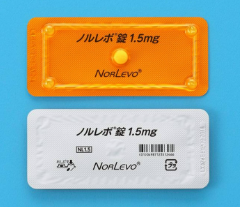
In a groundbreaking move for reproductive health, Japan has officially approved the sale of its first over-the-counter (OTC) emergency contraceptive pill. This decision, announced by Japan's Ministry of Health, marks a significant shift in the country's approach to reproductive rights, providing women with greater autonomy and easier access to emergency contraception.
For years, emergency contraceptive pills were only available by prescription in Japan, making access more complicated, especially for women who needed quick intervention following contraceptive failure or unprotected sex. This new ruling will enable women to purchase emergency contraceptives directly from pharmacies without needing a doctor's prescription, bringing Japan in line with other countries that offer OTC emergency contraception.
Why Is This Approval Significant?
Japan’s approval of OTC emergency contraception represents a major victory for women's health and reproductive rights. It addresses concerns over unwanted pregnancies, particularly for young women and those in situations where accessing a doctor may be difficult or delayed. Emergency contraception, often referred to as the "morning-after pill," works by preventing ovulation or fertilization if taken within a specific window of time after unprotected sex.
The approval is also part of a broader trend in Japan to improve access to healthcare, particularly in areas that have historically been more conservative or restrictive. The decision is seen as a step toward modernizing the country's healthcare system and aligning with international standards for reproductive care.
How Does the Emergency Contraceptive Pill Work?
The emergency contraceptive pill is most effective when taken within 72 hours after unprotected intercourse but can work up to 120 hours, depending on the specific type of pill. It works by delaying ovulation or altering the uterine lining to prevent the implantation of a fertilized egg. It is not an abortion pill and does not affect an established pregnancy.
With the approval of the OTC emergency pill, women can now access this vital resource without the need to visit a doctor or clinic for a prescription. Pharmacies will offer the pill directly to customers, with guidance on proper use.
What This Means for Women’s Healthcare in Japan
This historic approval is expected to have several positive impacts on women’s healthcare in Japan. It not only ensures more convenient access to emergency contraception but also fosters a broader conversation about women's health rights in the country. It’s anticipated that this move will lead to a reduction in unintended pregnancies and provide women with more control over their reproductive choices.
Additionally, this decision may pave the way for more progressive policies surrounding reproductive health, including the potential for wider access to other forms of contraception and sexual health services in Japan.
Global Reactions to Japan's Approval
The decision to approve the OTC emergency contraceptive pill has received widespread praise from international health organizations, women's rights groups, and reproductive health advocates. Many view this as a significant milestone in the global fight for accessible reproductive healthcare.
However, there has been some opposition from conservative groups who argue that the decision could lead to increased promiscuity or a shift in societal values. Despite these concerns, the approval is overwhelmingly seen as a positive step forward for public health and gender equality.
Frequently Asked Questions (FAQ)
1. What is an emergency contraceptive pill?
An emergency contraceptive pill, often called the "morning-after pill," is a form of contraception that can prevent pregnancy after unprotected sex. It works by delaying ovulation, preventing fertilization, or altering the uterine lining to prevent implantation.
2. Why is Japan's approval of OTC emergency contraception significant?
For the first time, women in Japan can now purchase emergency contraception directly from pharmacies without needing a prescription. This move improves access to reproductive health care and provides women with more control over their reproductive choices.
3. How long after unprotected sex can the emergency contraceptive pill be used?
The emergency contraceptive pill is most effective when taken within 72 hours of unprotected sex, but it can work up to 120 hours, depending on the type of pill.
4. Is emergency contraception the same as abortion?
No, emergency contraception is not an abortion pill. It works by preventing pregnancy before implantation and does not affect an existing pregnancy.
5. Will this approval affect the availability of other contraceptive methods in Japan?
While this approval does not directly affect the availability of other forms of contraception, it is expected to open the door for more progressive policies regarding reproductive healthcare in Japan.
6. What are the potential impacts of OTC emergency contraception in Japan?
This approval is likely to lead to fewer unintended pregnancies, increased reproductive autonomy for women, and could spark further policy changes to improve access to sexual and reproductive health services in Japan.
Published on : 20th October
Published by : Reddy kumar
www.vizzve.com || www.vizzveservices.com
Follow us on social media: Facebook || Linkedin || Instagram
🛡 Powered by Vizzve Financial
RBI-Registered Loan Partner | 10 Lakh+ Customers | ₹600 Cr+ Disbursed