

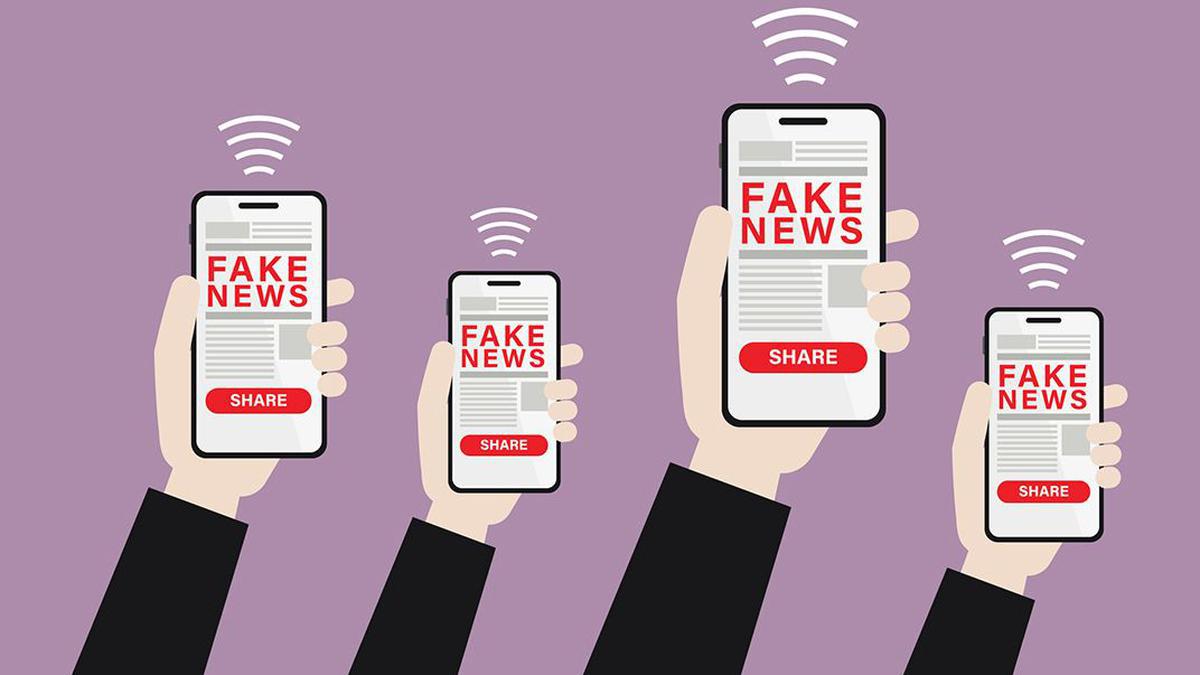
The Karnataka government is drafting a tough new law aimed at curbing the growing spread of fake news and misinformation on social media platforms. Officials say the proposed legislation will include strict penalties for individuals and platforms that publish or fail to remove harmful or false content.
According to sources in the state’s Home Department, the law will empower authorities to issue takedown notices, levy hefty fines, and even impose imprisonment for repeated or serious violations. A dedicated cyber monitoring cell may also be formed to track and verify viral content online.
"We are witnessing an alarming rise in digitally circulated fake news that has real-world consequences — from communal tensions to public safety threats," said a senior government official. “Our proposed law aims to hold both individuals and platforms accountable.”
The proposed law is expected to be tabled during the next legislative session. It will reportedly outline a clear definition of fake news, detail the process for content verification, and establish legal provisions for appeal and redressal.
Civil liberties groups have raised concerns about the potential for overreach and misuse. Digital rights advocates argue that any new law must be carefully balanced to protect freedom of speech and avoid arbitrary censorship.
The Karnataka government maintains that the legislation will prioritize transparency and due process, and aims to curb harmful misinformation without infringing on lawful expression.
FAQs
Q1: What is the new fake news law proposed by Karnataka?
A: The proposed law seeks to criminalize the creation and distribution of fake news and misinformation on digital platforms, with penalties including fines, imprisonment, and content takedown orders.
Q2: Who will be affected by the new law?
A: The law targets both individuals and social media platforms that share, spread, or fail to act on fake or misleading content.
Q3: Will there be a mechanism to verify fake news?
A: Yes, the proposal includes plans for a cyber cell or fact-checking mechanism to monitor and verify viral content.
Q4: Are there concerns about censorship?
A: Yes, digital rights groups have cautioned against misuse of the law and emphasized the need for safeguards to protect free speech.
Q5: When will the law be implemented?
A: The bill is expected to be introduced in the upcoming legislative session, with public consultations and debate likely before finalization.
published on 21st june
Publisher : SMITA
www.vizzve.com || www.vizzveservices.com
Follow us on social media: Facebook || Linkedin || Instagram
🛡 Powered by Vizzve Financial
RBI-Registered Loan Partner | 10 Lakh+ Customers | ₹600 Cr+ Disbursed